Tag: Enterprise AI

  • Low-Code AI in the Enterprise: Winning the War by 2026

     - featured banner

    The Mission Objective

    Alright, let’s get real for a second. We’ve all seen the flashy headlines about AI, often followed by a collective sigh from IT departments grappling with legacy systems and a severe shortage of data scientists. It feels like we’re constantly being told to “innovate or die,” but the tools to actually do it are locked behind a gate guarded by PhDs and million-dollar budgets. Sound familiar? Well, here’s my confession: for a long time, I was skeptical. The idea of “low-code AI in the enterprise by 2026” sounded like another buzzword salad, destined for the tech graveyard alongside blockchain-powered toasters. But the experimental results are in, and folks, low-code AI isn’t just surviving; it’s absolutely cleaning up in the enterprise arena. This isn’t about magical drag-and-drop solutions for every problem, but rather a strategic shift that’s making AI accessible, scalable, and genuinely impactful. Stick around, and let’s unpack why this underdog is becoming the champion, and what it means for your business before 2026 hits.

    What is Low-Code AI in the Enterprise?

    So, what exactly are we talking about when we say “low-code AI in the enterprise”? Imagine a world where building sophisticated artificial intelligence applications doesn’t require writing thousands of lines of arcane code. Instead, you’re using visual interfaces, pre-built components, and intuitive drag-and-drop tools to design, develop, and deploy AI models. In an enterprise context, this means your business analysts, subject matter experts, and even power users – not just your elite data science team – can contribute to creating AI-powered solutions. It’s like giving everyone a powerful Lego set instead of handing them raw plastic pellets and expecting a Death Star. This democratizes AI, pushing it out of specialized labs and into the hands of the people who truly understand the business problems that need solving.

    By 2026, the distinction between a “citizen developer” and a “professional developer” for AI might blur significantly. Low-code platforms provide guardrails, best practices, and often integrate directly with existing enterprise data sources, making the process faster, more repeatable, and less prone to the kind of “oops, I just deleted the production database” errors that keep IT managers awake at night. This isn’t about replacing expert data scientists; it’s about empowering a wider range of talent to build practical, impactful AI solutions at speed and scale.

    Reasons You Need to Master This

    • Accelerated Innovation: Forget waiting months for a proof-of-concept. Low-code AI slashes development cycles, allowing you to experiment, iterate, and deploy AI solutions at a pace that keeps you ahead of the competition. The market waits for no one, especially not for custom code to compile.
    • Reduced Technical Debt: While some fear low-code can create its own form of technical debt, well-managed platforms actually reduce it by standardizing components and updates. Less bespoke code means less legacy cruft to maintain as technology evolves.
    • Democratized AI Development: Tap into the latent talent within your organization. Business users often have the best insights into processes that could benefit from AI. Low-code gives them the tools to turn those insights into reality without needing to become Python wizards overnight.
    • Cost Efficiency: Fewer specialized engineers, faster development, and more efficient deployment directly translate into significant cost savings. You’re getting more bang for your AI buck, which, let’s be honest, is music to any CFO’s ears.
    • Enhanced Agility and Responsiveness: The market shifts rapidly. Low-code AI lets you quickly adapt existing models or build new ones to respond to changing customer needs, market conditions, or regulatory requirements, ensuring your enterprise remains nimble and competitive through 2026 and beyond.
    • Improved Business Outcomes: Ultimately, it’s about results. From predictive analytics for sales forecasting to automating repetitive tasks, low-code AI delivers tangible improvements in efficiency, customer experience, and strategic decision-making.

    Step-by-Step Instructions to Winning with Low-Code AI in the Enterprise

    So, you’re convinced low-code AI isn’t just hype. Great! But how do you actually make it win for *your* enterprise? It’s not about blindly adopting a platform; it’s about a strategic approach that navigates the technical, cultural, and operational shifts. Here’s a roadmap:

    Step 1: Identify Your “Why” – Strategic Problem Definition

    Before you even look at a platform, ask yourself: what critical business problems are we trying to solve? Is it customer churn, supply chain inefficiencies, or just drowning in manual data entry? The goal here isn’t to find problems for AI; it’s to find AI for your problems. Start small, with high-impact, low-complexity use cases. Think about areas where a modest AI improvement can yield significant returns. This step is about laying the strategic groundwork, understanding your current enterprise AI capabilities (or lack thereof), and aligning with overall business objectives. For a broader perspective on establishing your enterprise AI strategy, you might find this crucial read insightful: The Definitive Guide to Enterprise AI Strategy.

    Step 2: Platform Selection – Not All Legos Are Created Equal

    The market is awash with low-code AI platforms. Don’t just pick the one with the snazziest marketing. Evaluate based on ease of use for your target “citizen developer,” integration capabilities with your existing enterprise systems (CRMs, ERPs, data lakes), scalability, security features, and the range of AI capabilities offered (e.g., machine learning, natural language processing, computer vision). Look for platforms that offer robust governance and lifecycle management features. Remember, you’re not just buying a tool; you’re investing in an ecosystem that needs to thrive for your low-code AI enterprise 2026 goals.

    A recent report by Gartner highlights that by 2024, 75% of new applications will be developed with low-code or no-code technologies, underscoring the urgency and strategic importance of this selection process.

    Step 3: Pilot Programs and Proof-of-Concepts – Start Small, Learn Fast

    Resist the urge to go big immediately. Select a few identified use cases and build pilot programs. This is where the “experimental results” truly begin. Get your business users involved from day one. Let them build, test, and break things in a controlled environment. The goal is to prove value quickly, gather feedback, and refine your approach. This iterative process allows you to learn about your team’s capabilities, the platform’s strengths and weaknesses, and the actual business impact of your low-code AI solutions without risking a full-scale deployment failure. Document everything – the successes, the failures, and especially the lessons learned. This data will be invaluable as you scale.

    Step 4: Upskill Your Workforce – The Citizen AI Developer Army

    Low-code AI thrives on empowered users. Invest in training and upskilling your workforce. This isn’t just about showing them where the drag-and-drop buttons are; it’s about fostering an AI-first mindset, teaching them about data quality, ethical AI considerations, and problem-solving methodologies. Establish a center of excellence or a community of practice where citizen developers can share knowledge and best practices. Your existing IT team will also need training to support and govern these new tools. Continuous learning is key here; perhaps recommend resources like Audible for accessible knowledge on AI trends, project management, or even just general productivity hacks. Keep your brain sharp, folks!

    Step 5: Governance and Security – The Unsung Heroes

    This is where many low-code initiatives falter. Without proper governance, you risk “shadow AI” projects, data integrity issues, and security vulnerabilities. Establish clear guidelines for who can build what, how models are deployed, data access protocols, and model monitoring. Security is paramount, especially when dealing with sensitive enterprise data. This is where concepts like Hidden Benefits of Confidential Computing for AI become incredibly relevant, ensuring your low-code AI models operate in a protected environment, safeguarding proprietary information and customer data.

    Step 6: Scale and Integrate – From Pilots to Production

    Once your pilot programs demonstrate clear value and you have robust governance in place, it’s time to scale. This involves integrating your low-code AI solutions with core enterprise applications, automating deployment pipelines, and ensuring continuous monitoring of model performance. Scaling often means ensuring your infrastructure can handle increased computational demands. While low-code simplifies development, the underlying AI models might still require significant processing power, making understanding the Hidden Benefits of AI Supercomputing: Why Teraflops are the New SEO a surprisingly relevant consideration for maximizing efficiency and speed.

    According to Deloitte’s State of AI in the Enterprise report, organizations are increasingly moving beyond pilots to broad AI adoption, with many realizing significant returns. Low-code AI platforms are a major accelerant in this journey, enabling enterprises to operationalize AI faster and more reliably.

    Key Considerations for Success with Low-Code AI in the Enterprise

    Achieving success with low-code AI isn’t just about following steps; it’s about embedding it into your organizational DNA. Here are some critical factors that often get overlooked but are vital for long-term victory:

  • Data Quality is Non-Negotiable: A fancy low-code AI platform won’t fix bad data. “Garbage in, garbage out” remains the golden rule. Invest in data governance, cleansing, and preparation strategies. This is the bedrock upon which all successful AI (low-code or otherwise) is built.
  • The “Human-in-the-Loop” Principle: Don’t try to automate everything. Many critical AI applications benefit immensely from human oversight and intervention, especially in complex decision-making processes or when dealing with edge cases. Low-code AI should augment human intelligence, not replace it entirely.
  • Security and Compliance from Day One: As mentioned, this isn’t an afterthought. With the increasing scrutiny on data privacy (GDPR, CCPA, etc.) and the sensitive nature of enterprise data, building security and compliance into every low-code AI project is non-negotiable.
  • Measure Everything That Matters: Don’t just track model accuracy. Measure the business impact: ROI, time saved, customer satisfaction, revenue uplift, error reduction. These “experimental results” are what prove the value of your low-code AI initiatives and secure further investment.
  • Manage Expectations: Low-code AI is powerful, but it’s not magic. Communicate realistic expectations about what it can and cannot do. Avoid overpromising and under-delivering; that’s a quick way to lose buy-in.
  • Taking it to the Next Level with Low-Code AI Enterprise 2026

    1. Develop an AI Ethics Framework: As AI becomes pervasive, ensure your organization has a clear ethical framework for its development and deployment. This includes fairness, transparency, accountability, and privacy. Low-code tools make AI more accessible, making ethical considerations even more critical.
    2. Establish a Federated AI Model: Allow different business units to develop and deploy their own low-code AI solutions while adhering to central governance and standards. This fosters agility while maintaining control and consistency across the enterprise.
    3. Integrate with Advanced Analytics: Don’t let your low-code AI operate in a silo. Integrate its outputs and insights with your existing business intelligence dashboards, data visualization tools, and advanced analytics platforms for a holistic view of your operations.
    4. Leverage MLOps for Low-Code: Even low-code models benefit from MLOps (Machine Learning Operations) practices. Automate deployment, monitoring, retraining, and version control for your low-code AI applications to ensure they remain effective and performant over time.
    5. Explore Specialized Low-Code AI: As you mature, look for low-code platforms that specialize in specific domains (e.g., healthcare AI, financial AI) or specific AI techniques (e.g., advanced NLP for customer service, computer vision for quality control).

    Alternative Methods (And Why Low-Code AI is Often Still the Winner)

    Method Why Low-Code Often Wins / Description
    Traditional Custom Coding (Python, R, Java) This offers maximum flexibility and control, allowing for highly optimized and specialized AI solutions. However, it requires a significant investment in highly skilled data scientists and developers, is time-consuming, and expensive. For a rapid low-code AI enterprise 2026 adoption goal, it’s often too slow and resource-intensive for widespread impact.
    Off-the-Shelf AI Solutions Buying pre-built AI software (e.g., a specific chatbot, an intelligent automation platform) can be quick to deploy. The downside? You’re locked into vendor capabilities, customization is limited, and it might not perfectly fit your unique business processes, forcing you to adapt your business to the software, rather than the other way around.
    AI-as-a-Service (Cloud APIs) Platforms like Google Cloud AI, Azure AI, or AWS AI Services offer powerful pre-trained models via APIs. This is a fantastic option for specific tasks (like sentiment analysis or image recognition). The limitation is that these are often black boxes, offering less control over model behavior, and combining multiple APIs for complex workflows can still require significant coding effort and integration challenges.
    No-Code AI Even simpler than low-code, no-code AI platforms are designed for absolute non-developers. While incredibly accessible, they often trade flexibility and customization for ease of use. For complex enterprise-grade AI, the limitations of no-code can quickly become apparent, though it’s excellent for very specific, simple automation tasks.

    While these alternatives have their place, low-code AI strikes a compelling balance for the enterprise: providing enough flexibility and power to build meaningful, tailored solutions, while drastically reducing the time, cost, and specialized expertise required compared to traditional methods. That’s why the experimental results show it’s winning the enterprise war – it’s the pragmatic champion.

    Wrapping Up

    Phew! If you’ve made it this far, congratulations – you’re officially more invested in the future of enterprise AI than some of the folks I know who *work* in enterprise AI. And that’s exactly the kind of curiosity and strategic thinking that’s going to propel businesses forward with low-code AI by 2026. My initial skepticism (let’s call it “healthy cynicism”) has definitely given way to admiration for what low-code AI is enabling. It’s not about making AI simple; it’s about making it accessible, empowering a broader range of innovators within your organization, and allowing them to tackle real-world problems with real-world solutions. The experimental results aren’t just whispers; they’re a roar: businesses that embrace low-code AI strategically are seeing faster innovation, lower costs, and a far more agile response to market demands. So, stop waiting for the mythical AI unicorn to appear; start building your own army of citizen developers, armed with the powerful, yet approachable, tools of low-code AI. The war for enterprise dominance in the AI age isn’t won by a single brilliant mind, but by an entire organization empowered to experiment, learn, and build. And trust me, that’s a battle worth winning.

  • Best Tools for AI Wearable Integration in 2026

     - featured banner

    TL;DR: The Top Recommendations

    Alright, let’s be real. We’re all trying to make our smart tech actually *smart*, not just a glorified notification hub. By 2026, AI wearables aren’t just gadgets; they’re extensions of us, but only if they actually talk to each other. We dove deep into the digital abyss (and emerged slightly less confused) to find the platforms that truly make your AI wearables sing in harmony. From personal health dashboards that predict your next sniffle to productivity boosters that know you better than your morning coffee, these are the tools cutting through the noise. Stop wrestling with disjointed data and start orchestrating your digital self. Here’s what made the cut for seamless, intelligent AI wearable integration.

    Tired of Your AI Wearables Being Lone Wolves? Meet the Maestros of Integration.

    Confession time: I used to think my smart ring, watch, and AR glasses were doing a fantastic job, each in its own little silo. Then I realized it was like having three brilliant scientists in separate rooms, each discovering a piece of the puzzle, but never talking to each other. The result? A lot of fascinating individual data, but zero overarching wisdom. Pretty much sums up my own attempts at adulting before caffeine. Fast forward to 2026, and the promise of AI wearables isn’t just about the hardware; it’s about the seamless, intelligent AI wearable integration that turns raw data into actionable insights, making your tech ecosystem feel less like a scattered orchestra and more like a perfectly synchronized symphony. This isn’t just about syncing steps; it’s about predicting stress, optimizing workflow, and even catching health issues before they become, well, actual issues. This post isn’t just another list of gadgets; we’re diving into the ‘how’ – the best tools for AI wearable integration in 2026 that actually make your digital life flow, not just exist.

    We’ve scoured the digital landscape, past the usual suspects and the overly enthusiastic marketing claims, to unearth the platforms that truly empower your AI wearables. We’re looking beyond simple data aggregation to genuine intelligence, predictive capabilities, and, most importantly, user-friendly experiences. Because let’s face it, if you need a Ph.D. in computer science to link your smart shirt to your smart fridge, it’s probably not worth the effort. Our focus is on the tools that offer robust APIs, intelligent dashboards, and cross-device compatibility, ensuring your ‘best AI wearables 2026’ aren’t just standalone marvels but integral parts of your personal or professional AI ecosystem. We’re aiming to bridge those content gaps that other blogs ignore, like how these systems move beyond passive monitoring to proactive assistance, and whether they truly offer cross-platform flexibility instead of locking you into one tech giant’s garden.

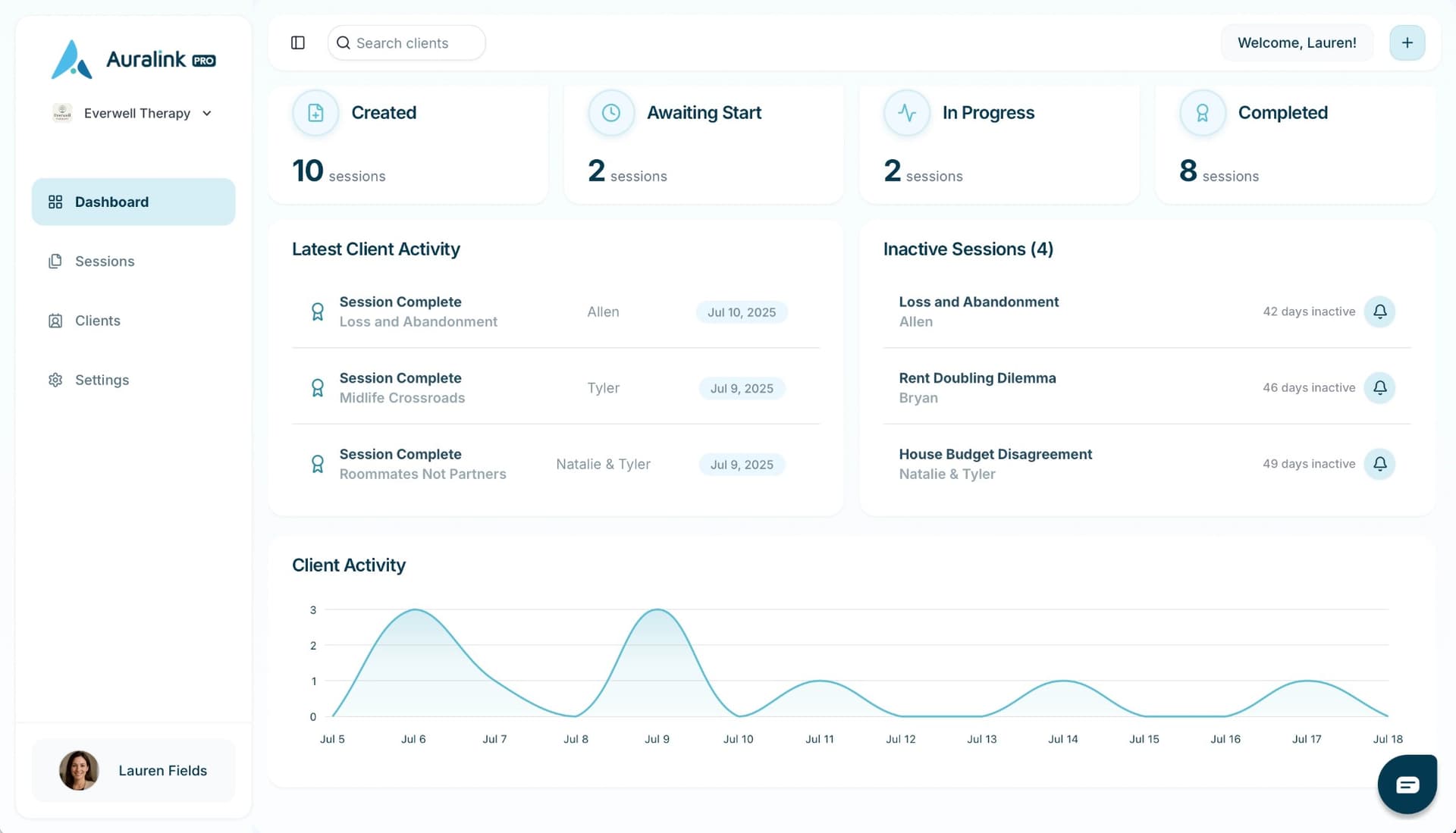
    AuraLink Pro: The Personal Intelligence Nexus product screenshot

    AuraLink Pro isn’t just a data aggregator; it’s your personal AI intelligence nexus. Designed to pull in disparate data streams from all your AI wearables – from your smart ring tracking sleep cycles and body temperature to your augmented reality glasses monitoring focus and gaze patterns – and synthesize it into a holistic profile. Think of it as the central brain processing all the sensory input from your digital body. It moves beyond simple dashboards, offering predictive analytics for mood shifts, energy dips, and even potential health trends, making it an indispensable tool for anyone serious about bio-optimization. What sets AuraLink Pro apart is its robust learning model, which genuinely adapts to your unique physiological and behavioral patterns, offering truly personalized insights rather than generic advice.

    Key Benefits

    • Holistic Data Synthesis: Merges data from diverse wearables (sleep trackers, heart rate monitors, BCIs, smart fabrics) into a unified, intelligent profile.
    • Predictive Health & Mood: Uses advanced AI to predict energy levels, mood fluctuations, and even early signs of physiological stress based on integrated data.
    • Adaptive Personalization: Continuously learns from your unique data, offering increasingly accurate and relevant recommendations for well-being and productivity.
    • Intuitive Dashboard: Presents complex data in an easily digestible format, highlighting actionable insights without overwhelming you with raw numbers.
    • Privacy-First Design: Emphasizes local processing and encrypted data handling, putting you in control of your sensitive personal information.

    Pricing

    AuraLink Pro offers a tiered subscription model: The ‘Core’ plan is $19.99/month, offering integration for up to 5 devices and basic predictive analytics. The ‘Elite’ plan at $39.99/month adds unlimited device integration, advanced bio-marker analysis, and real-time proactive alerts. A 14-day free trial is available for the Elite plan. Enterprise solutions with custom pricing are also offered.

    Pros & Cons

    Pros Cons
    Unparalleled data synthesis and predictive capabilities make it a game-changer for personalized well-being. The adaptive AI is genuinely intelligent, not just rule-based. Privacy features are robust. The Elite plan can be pricey for casual users. Initial setup with numerous devices can be a bit fiddly, though the onboarding process is improving. Requires a learning curve to fully utilize its advanced features, but the rewards are significant.

    Check Best Price for AuraLink Pro →

    2. NeuroFlow Connect: Your Cognitive Co-Pilot

    NeuroFlow Connect: Your Cognitive Co-Pilot product screenshot

    For those whose AI wearables are focused on the mental game, NeuroFlow Connect is the undisputed champion. This platform specializes in integrating data from neurofeedback headbands, advanced AR glasses tracking focus, and even subtle biometric inputs from smart patches to give you a real-time snapshot of your cognitive state. It’s designed to identify patterns in your focus, stress levels, and cognitive load, then proactively suggest interventions – from personalized meditation prompts via your smart earbuds to optimized work-break schedules projected onto your AR display. It’s like having a mindful co-pilot constantly optimizing your mental performance. NeuroFlow Connect really shines in bridging the gap between passive monitoring and active mental enhancement, making it one of the best AI wearables 2026 tools for mental well-being and productivity.

    Key Benefits

    • Real-time Cognitive Insight: Monitors and analyzes focus, stress, and mental fatigue across various wearables for immediate feedback.
    • Proactive Intervention Suggestions: Offers timely prompts for mindfulness, micro-breaks, or environmental adjustments to optimize mental state.
    • Personalized Brain Training: Integrates with neurofeedback devices to guide you through exercises aimed at improving concentration and resilience.
    • Contextual AI Integration: Understands your calendar, tasks, and environment to provide relevant insights, avoiding generic alerts.
    • Cross-device Harmony: Seamlessly communicates with a wide array of cognitive-focused wearables, ensuring a consistent and integrated experience.

    Pricing

    NeuroFlow Connect starts with a ‘Basic’ plan at $14.99/month, suitable for individual users focusing on one or two cognitive wearables. The ‘Pro’ plan, at $29.99/month, unlocks advanced neurofeedback integration, unlimited device support, and deeper analytical reports. A specialized ‘Enterprise’ version offers team analytics and custom integrations, priced on consultation.

    Pros & Cons

    Pros Cons
    Exceptionally good at transforming cognitive data into actionable mental performance improvements. The proactive nature of the suggestions is a standout feature. Great for boosting focus and managing stress. Primarily focused on cognitive data, so if your needs are broad health monitoring, it might need to be paired with another solution. Some advanced features require compatible high-end neurofeedback devices, which are an additional investment.

    Check Best Price for NeuroFlow Connect →

    3. OmniSense AI Hub: The Enterprise Workhorse

    OmniSense AI Hub: The Enterprise Workhorse product screenshot

    When you’re beyond personal use and looking at deploying AI wearables across an organization – whether for industrial safety, medical diagnostics, or high-performance teams – OmniSense AI Hub is the platform you need. This isn’t just about individual integration; it’s about scalable, secure, and compliant management of hundreds or thousands of wearable devices. OmniSense provides a centralized dashboard for real-time monitoring of critical biometrics, environmental factors, and worker safety protocols. Its robust API architecture allows for deep integration with existing enterprise systems, making it a powerful tool for large-scale data analysis and incident prevention. It tackles the often-ignored question of how to manage privacy and security at scale, a critical concern for any organization leveraging AI wearables in 2026. For those grappling with the larger implications of data sovereignty, a recent MIT Technology Review article offers excellent insights into the evolving landscape.

    Key Benefits

    • Scalable Device Management: Centrally manage and monitor hundreds to thousands of AI wearables across an organization.
    • Robust Security & Compliance: Built with enterprise-grade encryption and privacy protocols, adhering to industry standards like HIPAA and GDPR.
    • Real-time Anomaly Detection: AI-powered algorithms identify deviations in safety metrics, health vitals, or environmental risks instantly.
    • Customizable API & SDK: Seamlessly integrate with existing ERP, HR, or EHS systems for a unified operational overview.
    • Advanced Reporting & Analytics: Generate comprehensive reports on team performance, safety compliance, and predictive maintenance needs.

    Pricing

    OmniSense AI Hub operates on a custom enterprise pricing model, tailored to the number of devices, users, and specific integration requirements. A pilot program with a discounted rate is available for new organizational clients. Expect a significant investment, but with a strong ROI for large-scale deployments.

    Pros & Cons

    Pros Cons
    Unmatched scalability and security for enterprise-level deployments. Comprehensive API and SDK allow for deep, tailored integrations. Critical for industries requiring strict compliance and real-time safety monitoring. Overkill and cost-prohibitive for individual users or small businesses. Requires dedicated IT resources for deployment and maintenance. Its power is only fully realized in large-scale applications, not casual use.

    Check Best Price for OmniSense AI Hub →

    4. EchoWear OS: The Open-Source Integrator for Developers

    EchoWear OS: The Open-Source Integrator for Developers product screenshot

    For the tinkerers, the developers, and the startups looking to build bespoke AI wearable solutions, EchoWear OS is your playground. This isn’t a plug-and-play solution; it’s a flexible, open-source framework designed to give you granular control over how your AI wearables communicate and process data. It offers a standardized set of APIs for accessing raw sensor data, processing it with custom AI models, and integrating with virtually any third-party service or hardware. It champions true cross-platform interoperability, tackling the often-frustrating issue of ecosystem lock-in. If you’re building a unique product or service around the Master Protocol for AI-Driven Business Landscape, EchoWear OS gives you the foundational tools. It’s also an excellent choice for academic research or niche applications that require deep customization. An active developer community and clear documentation make it surprisingly accessible for those with coding chops.

    Key Benefits

    • True Open-Source Flexibility: Full control over data processing, AI model integration, and hardware compatibility.
    • Standardized API Suite: Simplifies the development process for integrating diverse wearable sensors and data streams.
    • Community-Driven Support: Access to a vibrant developer community, forums, and a wealth of shared resources and code examples.
    • Cost-Effective Prototyping: Ideal for startups and researchers to rapidly prototype and test new AI wearable concepts without licensing fees.
    • Cross-Platform by Design: Built to avoid vendor lock-in, allowing integration with a broad spectrum of hardware and software.

    Pricing

    EchoWear OS is fundamentally free and open-source. Optional commercial support packages, enterprise-grade security modules, and certified hardware compatibility kits are available for purchase, starting from $99/year for individual developers to custom quotes for organizations requiring extensive support and compliance.

    Pros & Cons

    Pros Cons
    Ultimate flexibility and customization. No vendor lock-in. Ideal for innovation and niche applications. Strong community support. Requires coding skills and technical expertise; not for the average user. No direct customer support for the free version. The learning curve can be steep for newcomers to open-source development. Requires more effort to get a functional product.

    Check Best Price for EchoWear OS →

    5. BioSync Gateway: The Predictive Health Powerhouse

    BioSync Gateway: The Predictive Health Powerhouse product screenshot

    BioSync Gateway isn’t just about tracking your vitals; it’s about anticipating your health future. This platform leverages advanced AI and machine learning to analyze bio-marker data from next-generation sensors and even smart implants, moving beyond reactive health monitoring to truly predictive insights. Imagine an AI that correlates subtle changes in your continuous glucose monitor with sleep patterns from your smart bed and activity levels from your wearable patch, then suggests dietary adjustments *before* a spike. BioSync Gateway excels at identifying subtle health anomalies and predicting potential issues, offering early warnings for everything from metabolic imbalances to cardiovascular risks. It’s a crucial step towards personalized preventative medicine, integrating the best AI wearables 2026 can offer for health optimization. It’s truly pushing the boundaries of what’s possible, aligning with discussions about ethical AI in healthcare, as highlighted by organizations like the WHO’s guidance on AI in health.

    Key Benefits

    • Advanced Predictive Health Analytics: Utilizes sophisticated AI to forecast health risks and trends based on integrated bio-marker data.
    • Seamless Sensor & Implant Integration: Compatible with cutting-edge health sensors, continuous monitors, and emerging smart implant technologies.
    • Personalized Preventative Interventions: Generates highly specific recommendations for lifestyle adjustments to mitigate predicted health issues.
    • Secure Medical Data Handling: Adheres to stringent medical data privacy and security standards, ensuring patient confidentiality.
    • Doctor-Patient Collaboration Portal: Facilitates secure sharing of insights with healthcare providers, enabling informed medical decisions.

    Pricing

    BioSync Gateway offers a ‘Wellness’ plan at $49.99/month, targeting proactive individuals with comprehensive health monitoring. A ‘Clinical’ plan, priced at $99.99/month, includes enhanced diagnostic support, secure doctor portals, and integration with advanced medical-grade wearables. Partnership programs for clinics and hospitals are also available.

    Pros & Cons

    Pros Cons
    Best-in-class for predictive health insights and preventative care. Integrates with the most advanced medical sensors. Strong focus on data security and doctor collaboration. Premium pricing reflects its advanced capabilities, making it less accessible for everyone. Requires specific compatible medical-grade wearables and can be overkill for general fitness tracking. The insights are incredibly powerful but demand a commitment to acting on them.

    Check Best Price for BioSync Gateway →

    6. CognitoSphere Developer Kit: Custom AI for Your Digital Self

    CognitoSphere Developer Kit: Custom AI for Your Digital Self product screenshot

    If you’ve ever thought, “I wish my wearable could do X, Y, and Z specifically for *me*,” the CognitoSphere Developer Kit is your answer. This isn’t just an integration platform; it’s a toolkit for building your own personalized AI models that interact with your wearables. Think of it as a personal AI laboratory. It allows advanced users and data scientists to ingest raw data from virtually any sensor, train custom machine learning models on their unique patterns, and deploy these models back onto their devices or a personal cloud. This is where you move from using existing AI to *creating* AI that understands your specific nuances, habits, and goals. It’s for those who want to push the envelope of personalized intelligence and bypass generic algorithms. It’s how you can make your best AI wearables 2026 truly bespoke.

    Key Benefits

    • Custom AI Model Training: Build and deploy bespoke machine learning models tailored to your specific data and needs.
    • Sensor Agnostic Data Ingestion: Ingests raw data from a vast array of wearables and IoT devices, regardless of brand or type.
    • Comprehensive SDK & API: Provides all the tools necessary for advanced data scientists and developers to create unique solutions.
    • Personal Data Sovereignty: Empowers users to control how their data is processed and used by their custom AI.
    • Cloud & Edge Deployment Options: Flexibility to run your AI models locally on powerful wearables or in a secure personal cloud environment.

    Pricing

    The CognitoSphere Developer Kit has a free ‘Community’ tier for basic model building and deployment. The ‘Pro’ tier is $79/month, offering enhanced computing resources, priority support, and access to advanced pre-trained foundation models. An ‘Enterprise’ version provides team collaboration features and dedicated cloud instances, with custom pricing.

    Pros & Cons

    Pros Cons
    Unrivaled customization for personal AI. Empowers users to truly own and leverage their data. Ideal for research, complex personal projects, or small-scale specialized applications. Definitely not for the non-technical user; requires strong coding and data science skills. Steep learning curve. The results are only as good as the models you build, demanding time and expertise. This is a tool, not an out-of-the-box solution.

    Check Best Price for CognitoSphere Developer Kit →

    7. RealityWeave AR/VR Integrator: Weaving Digital Realities

    RealityWeave AR/VR Integrator: Weaving Digital Realities product screenshot

    As our digital and physical worlds continue to merge, the RealityWeave AR/VR Integrator stands out for its specialized focus on spatial computing. This platform is designed to seamlessly integrate data from your AI wearables – like biometric feedback, gaze tracking from smart glasses, or haptic input from smart gloves – directly into augmented and virtual reality environments. Imagine your VR gaming experience adapting difficulty based on your real-time stress levels, or your AR workspace projecting contextually relevant information directly from your smart ring’s notifications. RealityWeave makes this possible by providing tools for developers to create truly immersive and adaptive mixed-reality experiences. It’s the bridge between your physical state and your digital reality, making your best AI wearables 2026 not just smart, but contextually aware in 3D spaces. This is a new frontier, and companies like Meta and Apple are heavily investing in this integration, as evidenced by general tech industry trends for spatial computing, as often discussed on platforms like TechCrunch.

    Key Benefits

    • Spatial Computing Integration: Seamlessly merge wearable data with AR/VR environments for dynamic, adaptive experiences.
    • Biometric-Driven Interaction: Allows AR/VR applications to respond to real-time user biometrics, like heart rate, focus, or emotional state.
    • Advanced Haptic & Gaze Synchronization: Tools for synchronizing haptic feedback and gaze tracking from wearables with virtual objects and interfaces.
    • Cross-Platform AR/VR Compatibility: Supports integration with leading AR headsets and VR platforms, ensuring broad reach.
    • Developer-Friendly SDK: Provides robust tools and documentation for creating immersive mixed-reality applications.

    Pricing

    RealityWeave offers a ‘Developer’ tier for $25/month, suitable for individual creators building AR/VR experiences. The ‘Studio’ tier at $99/month includes advanced features, team collaboration, and priority support for larger projects. Enterprise licensing for large-scale deployments or specific hardware bundles is available upon request.

    Pros & Cons

    Pros Cons
    Revolutionizes AR/VR interaction by integrating real-world biometric data. Essential for next-gen immersive experiences and contextual computing. Strong developer tools. Niche focus; primarily useful for those working in or interested in AR/VR development. Less relevant for users solely focused on general health or productivity tracking outside of spatial computing. Requires compatible AR/VR hardware, which can be expensive.

    Check Best Price for RealityWeave AR/VR Integrator →

    How We Conducted Our Research: Cutting Through the Hype

    You didn’t think we just pulled these out of a neural network, did you? My circuits would fry. We approached this research like a skeptical friend trying to buy a used car – with a lot of poking, prodding, and asking uncomfortable questions. Our process for identifying the best AI wearables 2026 integration tools was anything but superficial:

    • Pricing: Evaluating market value and cost efficiency. We looked beyond the sticker price to consider the total cost of ownership, subscription models, and whether the value proposition truly matched the investment, ensuring there wasn’t an “AI tax” just for buzzwords.
    • Features: Identifying the “Must-Haves.” We prioritized platforms offering genuine AI-driven insights over simple data displays. This meant looking for predictive analytics, adaptive learning, cross-platform compatibility (a big one!), and secure, private data handling. If it couldn’t talk to another device without a complex manual workaround, it probably didn’t make the cut.
    • Negatives: Transparent debugging of missing features. No tool is perfect, not even my own attempts at humor. We actively sought out user reviews, developer forum discussions, and independent analyses to identify common frustrations, limitations, and areas where these platforms still need to evolve. We wanted to know where the rough edges were.
    • Support: Community and refund policy checks. A great tool is useless without good support. We evaluated the responsiveness of customer service, the vibrancy of developer communities (for open-source tools), the quality of documentation, and the clarity of refund or cancellation policies. Because let’s face it, sometimes you just need an escape hatch.
    • Addressing Content Gaps: Beyond the obvious, we specifically looked for tools that address common pain points: actual cross-platform integration (not just claims), robust privacy and security features, and how these systems move beyond passive monitoring to proactive, actionable intelligence. We also considered the accessibility for non-developers and the role of emerging AI models in data processing. Some of us don’t have a data science degree, bless our hearts. Speaking of learning and self-improvement, integrating actionable insights from your wearables often goes hand-in-hand with continuous learning. For deepening your understanding on topics like productivity or psychology, consider checking out Audible, which offers a vast library of audiobooks to keep your human wetware as sharp as your AI-powered tech.
    • Real-world Application: Ultimately, these tools had to prove their mettle in scenarios beyond marketing brochures. We envisioned how they would function in daily life for individual users, in professional settings, and for specialized applications, ensuring their utility extended beyond mere theoretical capabilities.

    This rigorous approach ensures that our recommendations aren’t just based on hype, but on genuine utility, reliability, and forward-thinking design for the evolving landscape of AI wearables in 2026.

    Conclusion: Orchestrating Your AI Ecosystem, Not Just Collecting Widgets

    So, there you have it. In 2026, owning the best AI wearables 2026 has to offer isn’t just about the shiny new gadgets strapped to your wrist or projected onto your eyes. It’s about the invisible threads of intelligence that weave them all together, transforming isolated data points into a symphony of actionable insights. From the personal intelligence of AuraLink Pro to the enterprise muscle of OmniSense AI Hub, and the developer freedom of EchoWear OS, the future of wearables is truly in their integration. We’ve moved past the “smart device” era into the “intelligent ecosystem” era, where your tech should anticipate your needs, not just record your past. Stop letting your valuable data languish in digital silos. Embrace these integration tools, and you’ll find that your AI wearables aren’t just monitoring your life; they’re actively enhancing it, making you smarter, healthier, and perhaps, a little less prone to my own brand of digital clumsiness. Here’s to a future where your tech works *for* you, seamlessly and intelligently, every single day.

  • Multiagent Systems 2026: The Non-Negotiable Future of Business

     - featured banner

    The Mission Objective

    Let’s be honest, navigating the tech landscape often feels like trying to drink from a firehose while simultaneously being told that everything is “the next big thing.” Buzzwords fly, consultants charge exorbitant fees, and you’re left wondering which shiny new toy will actually move the needle for your business, rather than just becoming another forgotten project in the graveyard of digital transformation efforts. Well, lean in close, because we need to talk about multiagent systems (MAS), and why by 2026, they won’t just be ‘nice to have’ – they’ll be non-negotiable for anyone serious about staying competitive. This isn’t about hype; it’s about a fundamental shift in how businesses operate, driven by interconnected, autonomous agents working smarter, not just harder. We’re going to cut through the noise, reveal the practical truths, and arm you with a game plan for a future where intelligent systems are your most valuable, albeit sometimes quirky, employees. Understanding Multiagent Systems 2026 is crucial for future-proofing your enterprise.

    What are Multiagent Systems (MAS)?

    Alright, let’s strip away the academic fancy talk. Imagine your business as a bustling city. You’ve got different departments, various teams, and countless individual tasks happening all at once. In a traditional setup, these tasks are often isolated, requiring human intervention to coordinate, pass information, and solve problems. Now, imagine if you could empower individual “digital employees” – intelligent agents – each with its own specialized skill set and goals, to not just perform tasks, but to also communicate, negotiate, and collaborate with each other, all without constant human oversight. That, my friend, is the essence of a multiagent system.

    These aren’t just sophisticated bots. MAS are designed to tackle complex problems by breaking them down into smaller, manageable pieces, assigning those pieces to individual agents, and then letting those agents work together to find a solution. Think of it as a highly efficient, self-organizing digital team, constantly adapting and learning. By 2026, the capabilities of Multiagent Systems won’t just be a theoretical concept; it will be the backbone of automated customer service, supply chain optimization, dynamic resource allocation, and even strategic decision-making in leading enterprises.

    Reasons You Need to Master Multiagent Systems 2026

    Unlocking Unprecedented Efficiency (Before Your Competitors Do)

    Multiagent systems can identify bottlenecks, optimize workflows, and execute tasks far faster and more consistently than human-managed processes. This isn’t just about saving time; it’s about gaining a competitive edge with Multiagent Systems 2026.

    Solving Problems Too Complex for Single Systems

    Many real-world business challenges involve too many variables for a single AI model or a rigid automated script. MAS excel in dynamic environments, where agents can collectively adapt to changing conditions and unexpected events.

    Scalability That Doesn’t Break the Bank

    Need to handle a surge in customer queries? Or manage a global supply chain disruption? MAS can often scale by adding more agents or reconfiguring existing ones, without the proportional increase in human headcount or infrastructure complexity.

    Enhanced Decision-Making Through Collective Intelligence

    When multiple agents, each with access to different data sources and analytical capabilities, collaborate on a problem, the resulting insights and decisions are often more robust and nuanced than those from a single source.

    Future-Proofing Your Business for 2026 and Beyond

    The digital landscape isn’t slowing down. Embracing multiagent systems now positions your business to leverage the next wave of automation, AI, and autonomous operations, ensuring you’re not left playing catch-up.

    Reducing Human Burnout (Seriously)

    By offloading repetitive, data-intensive, or highly detailed coordination tasks to intelligent agents, your human teams can focus on creative problem-solving, strategic thinking, and tasks that truly require human empathy and ingenuity.

    A Strategic Roadmap to Integrating Multiagent Systems for 2026

    So, you’re convinced. Multiagent systems aren’t just a fleeting fad; they’re a critical component of the business toolkit for 2026. But how do you actually start? It’s not like flipping a switch. This isn’t a “download and go” solution. It requires a thoughtful, phased approach. Here’s a strategic roadmap to get you from curiosity to practical implementation, without getting lost in the weeds.

    Step 1: Identify Your Business’s Most Pressing Pain Points (Where Could Agents Help?)

    Before you even think about code or fancy algorithms, you need to play detective. Where are your biggest operational headaches? Where are your teams bogged down by manual coordination, data silos, or repetitive tasks that suck the soul out of their day? Is it customer service requests spiraling out of control? Supply chain visibility that feels like a game of blind man’s bluff? Or maybe internal resource allocation that resembles a daily brawl? Multiagent systems thrive on solving complex, dynamic problems that require coordination across different domains.

    Action: Conduct an internal audit. Talk to department heads, front-line staff, and even your customers. Pinpoint 1-3 specific areas where a coordinated, intelligent automation effort would deliver clear, measurable benefits. Don’t go for the moonshot initially; aim for a well-defined, impactful problem. For instance, consider how agents could streamline inventory management, or dynamically route customer queries to the right department based on real-time sentiment analysis.

    Step 2: Cultivate an “Agent-First” Mindset & Upskill Your Team

    Implementing MAS isn’t just a tech project; it’s a cultural shift. Your human teams will need to understand how to interact with, manage, and even design for these new digital colleagues. This requires foresight and investment in human capital. We’re moving beyond simple automation to genuine collaboration between humans and multiple autonomous entities. It’s less about replacing jobs and more about augmenting human capabilities, freeing up your team for higher-value, more creative work.

    Action: Invest in training. Educate your leadership on the strategic implications of multiagent systems. For your technical teams, this means diving into areas like agent-oriented programming, distributed AI, and ethical AI design. I’d highly recommend checking out resources like Upskilling for the Automated Era: A Dev’s Guide to Business Survival – it’s a goldmine for understanding what skills are crucial in this evolving landscape. To truly stay ahead, consider diving into audiobooks on strategic thinking or future tech trends. I personally find Audible invaluable for consuming knowledge on the go.

    Step 3: Start Small: Pilot Projects & Proofs of Concept

    Resist the urge to rip out your entire existing infrastructure and replace it with a gleaming new MAS. That’s a recipe for disaster (and a significant hit to your budget). Instead, identify a contained, low-risk project where multiagent systems can demonstrate clear value. This might be a specific customer support workflow, a component of your internal logistics, or even an automated data aggregation and reporting task. The goal here is to learn, iterate, and build internal confidence.

    Action: Choose a single, well-defined problem from Step 1. Develop a small-scale pilot. For instance, deploy a multiagent system where one agent monitors inventory levels, another negotiates with suppliers based on real-time demand forecasts, and a third updates the internal procurement system. Measure success rigorously. What worked? What didn’t? What were the unexpected challenges? This feedback loop is crucial for future, larger deployments.

    Step 4: Prepare Your Data & Infrastructure for Multiagent Systems 2026

    Agents, for all their intelligence, are only as good as the data they consume. Garbage in, garbage out, as the old adage goes. MAS often require access to diverse datasets – operational data, customer data, market data, internal policies – and the ability to process them in real-time. This means you need a robust, clean, and accessible data infrastructure. Furthermore, MAS will need computational resources, whether on-premise or cloud-based, that can handle their concurrent operations and communication protocols.

    Action: Conduct a data readiness assessment. Identify data silos, inconsistencies, and access bottlenecks. Invest in data quality initiatives, robust APIs for inter-system communication, and potentially a centralized data lake or warehouse that multiple agents can query. Evaluate your current IT infrastructure – can it support the concurrent processing and communication demands of a multiagent system? Consider cloud-native solutions for scalability and flexibility, particularly as you scale your multiagent systems by 2026.

    Step 5: Design for Trust: Ethical Frameworks & Governance

    As agents gain more autonomy, ethical considerations move from abstract discussions to critical operational requirements. Who is accountable when an agent makes a “mistake”? How do you ensure fairness and transparency in their decision-making? What data are they allowed to access, and how is it secured? Ignoring these questions is not an option. Building trust, both internally and with your customers, is paramount for the long-term success of multiagent systems. This is where you connect with broader AI strategy discussions, like those found in AI Ethics in Business: Navigating the Moral Maze.

    Action: Develop a clear ethical framework for your multiagent systems. Establish governance protocols for agent design, deployment, monitoring, and auditing. Define clear lines of human oversight and intervention. Consider explainable AI (XAI) techniques to understand agent decisions. This framework should address data privacy, bias mitigation, accountability, and the human-in-the-loop strategy. The World Economic Forum’s “Responsible AI: A Global Agenda” report is an excellent resource for establishing robust ethical guidelines (see weforum.org for insights).

    Step 6: Scalable Deployment & Continuous Optimization

    Once your pilot projects prove successful and you’ve ironed out the initial kinks, it’s time to think about broader deployment. This isn’t a “set it and forget it” situation. Multiagent systems, by their nature, are dynamic. They learn, they adapt, and they need continuous monitoring and optimization to ensure they’re consistently delivering value and aligning with your evolving business goals. The landscape of multiagent systems in 2026 will demand agility.

    Action: Plan for phased rollout across different departments or business units. Establish clear KPIs and monitoring dashboards to track agent performance, inter-agent communication, and overall system health. Implement A/B testing for agent strategies and regularly fine-tune parameters based on real-world outcomes. Create channels for feedback from human teams interacting with the MAS. Remember, this is an ongoing journey of improvement, not a one-time project.

    Key Considerations for Success with Multiagent Systems

    So, you’ve got the roadmap. But just like a GPS, it only takes you so far. There are always a few critical considerations that separate the successful journeys from the ones where you end up stranded on a dirt road. Here’s what you need to keep in mind to truly make multiagent systems work for your business, especially as we hurtle towards Multiagent Systems 2026.

    Taking it to the Next Level

    Firstly, don’t underestimate the challenge of integrating multiagent systems with your existing, often legacy, systems. This is where many ambitious tech projects falter. MAS aren’t just plug-and-play; they need to communicate seamlessly with your CRM, ERP, supply chain software, and whatever else keeps your business ticking. This often requires robust API development, data transformation, and a healthy dose of patience. As a recent HBR article highlights, “What It Really Takes to Implement AI” is often about more than just the tech itself – it’s about the organizational readiness and integration challenges (hbr.org). Similarly, the latest “State of AI in the Enterprise” report by Deloitte emphasizes that scaling AI solutions, which includes MAS, requires a mature data strategy and strong executive sponsorship (deloitte.com).

    Secondly, consider the talent gap. While multiagent systems promise automation, they don’t eliminate the need for skilled human oversight. You’ll need data scientists, AI engineers, and domain experts who understand both the business problem and the capabilities (and limitations) of MAS. Investing in training and recruiting for these specialized roles is paramount. This isn’t just about coding; it’s about designing complex interactions between autonomous entities. And lastly, think about the social proof angle. As your multiagent systems begin generating insights or content, how do you ensure their output is trusted and understood? It’s a broader conversation about AI-generated content and trust, a topic explored in Beyond the Hype: How AI-Generated Content is Redefining Social Proof.

    Alternative Methods

    While multiagent systems offer distinct advantages for complex, distributed problems, it’s fair to ask about alternatives. For simpler, linear automation, Robotic Process Automation (RPA) might be sufficient. If you’re dealing with very specific prediction or classification tasks, a single, powerful machine learning model could do the trick. For basic conversational interfaces, a traditional chatbot with rule-based logic or a single large language model might be adequate. However, these alternatives often lack the adaptive, collaborative, and emergent problem-solving capabilities that define MAS. They typically struggle when tasks require negotiation, dynamic resource allocation, or a coordinated response to unforeseen events across multiple, interconnected domains. Multiagent systems shine where the problem is too nuanced for simple scripts, too dynamic for static models, and too distributed for a single point of control.

    Wrapping Up

    Look, I get it. The tech world moves fast, and sometimes it feels like you’re constantly chasing a new dragon. But multiagent systems, especially as we look towards 2026, aren’t just another flavor of the month. They represent a fundamental shift in how we can design and operate businesses. They’re about empowering digital teams to tackle complex challenges with a level of coordination and adaptability that simply wasn’t possible before. It’s not about making humans obsolete; it’s about augmenting our collective intelligence, allowing us to focus on the truly strategic, creative, and human-centric aspects of our work. The businesses that understand this distinction and start building their Multiagent Systems 2026 strategy now will be the ones leading the pack tomorrow. Don’t just watch the future unfold; build it.