Tag: Financial Planning

  • Ultimate Guide to Wealth for Beginners: 7 Proven Steps to Build Lasting Financial Freedom

    Wealth for Beginners - featured banner

    The Mission Objective: Building Wealth for Beginners

    Alright, let’s be real. We’ve all scrolled past those flashy “get rich quick” ads, silently judging, while also maybe… just maybe… wondering if there’s a secret handshake we missed. You want to build **wealth for beginners**, you know you *should*, but where the heck do you even start when the world of finance feels like a secret society with its own language?

    This isn’t about magical stock picks or selling your soul for a Lambo. This post is for the rest of us – the folks who just want a clear, no-BS roadmap to start building real, sustainable wealth for beginners. We’re going to break down the big, scary monster of “wealth building” into bite-sized, actionable steps you can actually, you know, *do*. No jargon, just genuine advice from someone who’s been exactly where you are.

    If you’re anything like me, the word “wealth” probably conjures images of Scrooge McDuck swimming in gold coins, or maybe just a stable bank account that doesn’t trigger a minor panic attack every time you check it. But here’s the kicker: for us mere mortals, especially when we’re just starting, wealth isn’t just about the sheer volume of cash.

    It’s about freedom, security, and options. It’s the quiet confidence that comes from knowing you’re not one unexpected car repair away from financial meltdown. It’s having enough money to pursue your passions, to take that trip, or even just to say “no” to a job that drains your soul because you don’t *desperately* need the paycheck. This is the true essence of building wealth for beginners.

    Think of it as building a strong financial fortress around your life. It means having an emergency fund that actually lives up to its name, reducing debt that sucks away your future, and making your money work harder for you than you work for it. It’s a journey, not a destination, and honestly, the sooner you start, the less you’ll kick yourself later. (Trust me on that one.)

    Reasons You Need to Master Building Wealth for Beginners

    Wealth for Beginners - Reasons You Need to Master This

    • Goodbye Stress, Hello Zzz’s: Financial stress is a killer. Learning to manage and grow your money reduces a huge burden, letting you sleep soundly instead of staring at the ceiling wondering how you’ll pay next month’s bills.
    • Freedom to Choose: When you have wealth, you have options. You can choose to work less, change careers, pursue education, or take a sabbatical. It buys you time, and time, my friend, is the ultimate luxury.
    • Security Blanket: Life throws curveballs. A solid financial foundation acts as a safety net for unexpected job losses, health issues, or market downturns.
    • Future-Proofing Your Life: Whether it’s a down payment on a house, funding your kids’ education, or enjoying a comfortable retirement, building wealth now means a better tomorrow. It’s not about being greedy; it’s about being prepared and living a life of purpose.
    • Leaving a Legacy: For some, it’s about providing for future generations or supporting causes they believe in. Wealth allows you to make a tangible impact beyond your own lifetime.

    7 Essential Steps to Build Wealth for Beginners

    Okay, deep breath. We’re going to tackle this together. No magic wands, just practical, actionable steps. The hardest part is often just *starting*, so let’s get that out of the way right now. Forget perfection; aim for progress. Even tiny steps add up over time, much like my ever-expanding collection of obscure board games.

    Step 1: Mindset Shift & Financial Self-Awareness for Beginners

    Wealth for Beginners - Step 1: Mindset Shift & Financial Self-Awareness

    Before you even look at a budget spreadsheet, you need to adjust your brain. Most of us carry baggage around money – fear, guilt, confusion. Acknowledge it. Then, understand your current financial reality without judgment.

    Grab all your bank statements, credit card bills, loan documents. List out everything you owe and everything you own. This isn’t to make you feel bad; it’s just gathering intel. Think of yourself as a financial detective. You can’t fix what you don’t understand, and understanding your starting point is crucial for building a solid foundation for overall well-being, which building wealth for beginners is a key part of.

    Action: Create a net worth statement (assets minus liabilities). This can be a simple spreadsheet. Track your income and expenses for a month. No fudging the numbers!

    Step 2: Craft a Realistic Budget (and Actually Stick to It)

    Wealth for Beginners - Step 2: Craft a Realistic Budget (and Actually Stick to It)

    Ah, the dreaded B-word. But honestly, a budget isn’t a straitjacket; it’s a GPS for your money. It tells your money where to go instead of wondering where it went. For beginners, start simple. The 50/30/20 rule is a great guideline: 50% of your income for needs, 30% for wants, and 20% for savings and debt repayment.

    Find a budgeting method that works for you – an app, a spreadsheet, or even the good old pen and paper. The key is to be consistent and honest with yourself. If you’re constantly blowing your “wants” budget on artisanal oat milk lattes, it’s time to adjust, not abandon. This disciplined approach is fundamental for building wealth for beginners.

    Action: Implement a budget using a method you’ll actually use. Track every dollar for a month, then adjust your spending categories based on reality, not aspiration.

    Step 3: Build Your Starter Emergency Fund

    Wealth for Beginners - Step 3: Build Your Starter Emergency Fund

    This is non-negotiable for anyone looking to build wealth for beginners. Before you even think about investing in the stock market or buying that fancy new gadget, you need an emergency fund. Picture this: your car breaks down, you lose your job, or your pet decides to eat something questionable (all real-life scenarios, unfortunately).

    An emergency fund is 3-6 months’ worth of living expenses stashed away in a separate, easily accessible savings account. It’s your financial airbag, preventing you from going into debt when life inevitably happens. Yes, it can feel like a slow grind, but it’s the bedrock of all future financial stability.

    Action: Set a goal for your emergency fund (e.g., $1,000 to start, then 3 months’ expenses). Automate weekly or bi-weekly transfers from your checking to a dedicated high-yield savings account. Treat it like a bill you MUST pay.

    Step 4: Conquer High-Interest Debt

    Wealth for Beginners - Step 4: Conquer High-Interest Debt

    Credit card debt, personal loans, payday loans – these are wealth killers. The interest rates are so high they can make your head spin, effectively making it impossible to get ahead. Think of it like trying to run up a down escalator. Focus on paying these off aggressively.

    The “debt snowball” (pay off smallest balance first for psychological wins) or “debt avalanche” (pay off highest interest rate first to save money) methods are popular. Choose one, commit, and watch that balance dwindle. This is often where many beginners stumble, as common mistakes often involve underestimating the power of compound interest working against you when trying to build wealth for beginners.

    Action: List all your debts, interest rates, and minimum payments. Choose a payoff strategy (snowball or avalanche) and dedicate extra funds from your budget to accelerate repayment.

    Step 5: Set Clear, Achievable Financial Goals for Beginners

    Wealth for Beginners - Step 5: Set Clear, Achievable Financial Goals

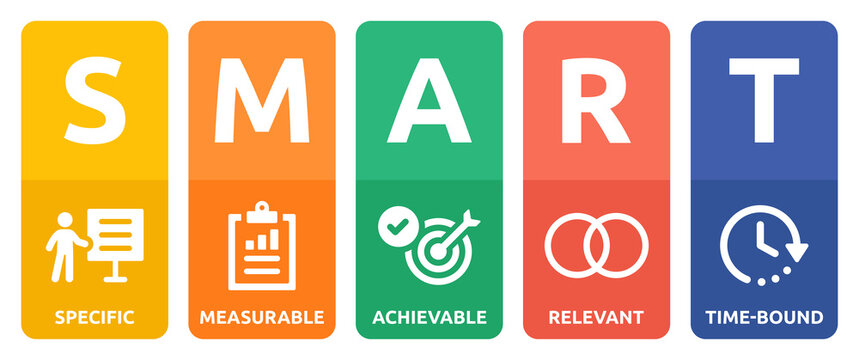
    “I want to be rich” is a nice daydream, but it’s not a goal. Your goals need to be SMART: Specific, Measurable, Achievable, Relevant, and Time-bound. Do you want to save for a down payment on a house in 5 years? Pay off your student loans in 3? Retire by 60?

    Having concrete goals gives your money purpose and makes the journey feel less abstract. Break big goals into smaller milestones. Celebrating those small wins keeps you motivated when the path gets tough. And trust me, it will get tough, much like trying to assemble flat-pack furniture without throwing the instructions across the room. Setting these goals is a critical step for wealth for beginners.

    Action: Define 2-3 short-term (1-2 years), mid-term (3-5 years), and long-term (5+ years) financial goals. Assign a dollar amount and a deadline to each.

    Step 6: Automate Savings and Investing for Wealth for Beginners

    Wealth for Beginners - Step 6: Automate Savings and Start Investing (Even Small Amounts!)

    This is where the magic really starts for wealth for beginners. Pay yourself first. Set up automatic transfers from your checking account to your savings and investment accounts on payday. Even $25 or $50 a week adds up significantly over time thanks to the miracle of compound interest.

    Don’t wait until you “have enough” to invest; start now with what you can. Micro-investing apps like Acorns are fantastic for beginners because they round up your everyday purchases and invest the spare change. It’s painless and proves that you don’t need a finance degree or a huge lump sum to begin your investing journey.

    For more traditional investing, look into your employer’s 401(k) (especially if they offer a match – that’s free money!) or open a Roth IRA. Just pick a low-cost index fund or ETF and set it and forget it. Consistency beats timing the market, every single time.

    Action: Set up automatic transfers for savings and investment accounts. If you have an employer 401(k), contribute at least enough to get the full match. Explore micro-investing apps like Acorns or open a Roth IRA with a low-cost brokerage like Vanguard or Fidelity.

    Step 7: Increase Your Income & Improve Financial Literacy

    Wealth for Beginners - Step 7: Increase Your Income & Improve Financial Literacy

    While cutting expenses is crucial, there’s a limit to how much you can cut. There’s no limit to how much you can earn. Look for ways to increase your income: ask for a raise, pick up a side hustle, learn new skills that are in demand. Even a few hundred extra dollars a month can significantly accelerate your wealth-building journey, especially if you funnel it directly towards debt repayment or investments.

    Simultaneously, commit to continuous learning. Read books on personal finance (I’m a big fan of “The Simple Path to Wealth” by JL Collins for beginners), follow reputable financial blogs (like NerdWallet, for instance, which offers great practical advice: NerdWallet on Money Management), and listen to podcasts. The more you understand, the more confident you’ll become, and the less likely you are to fall for scams or make costly mistakes when pursuing wealth for beginners.

    Action: Brainstorm 3 ways to increase your income. Dedicate 30 minutes a week to learning about personal finance and investing.

    Key Considerations for Success in Building Wealth for Beginners

    You’ve got the basic steps down. Now, let’s talk about the long game. Building wealth isn’t a sprint; it’s a marathon, often run uphill, in the rain, with a leaky water bottle. Consistency, patience, and a healthy dose of self-awareness are your best friends here. Don’t get discouraged by setbacks – everyone has them. The key is to learn, adjust, and keep moving forward. Remember, even the “experts” made plenty of mistakes along the way. Just ask them (if you can get them to admit it).

    Taking Your Wealth for Beginners Journey to the Next Level

    Wealth for Beginners - Taking it to the Next Level

    Once you’ve mastered the fundamentals, you can start exploring more sophisticated strategies. This might include:

    • Diversifying Investments: Beyond index funds, consider real estate, individual stocks (if you’re well-researched), or even alternative assets. This is where advanced strategies come into play, both for financial well-being and a holistically healthy life.
    • Optimizing Taxes: Learn about tax-advantaged accounts like HSAs, 529 plans, and how to minimize your tax burden on investments. A good resource for understanding tax implications could be the IRS website or Investopedia: Investopedia on Tax-Advantaged Accounts.
    • Estate Planning: Once you’ve built significant wealth, think about how you want it managed and distributed in the future. Wills, trusts, and power of attorney documents become important.
    • Aggressive Income Growth: Instead of just saving a percentage, actively seek out significant jumps in income through career advancement, starting a business, or high-value side hustles.

    Alternative Methods for Wealth Creation

    Wealth for Beginners - Alternative Methods for Wealth Creation

    While the steps above are foundational, there are many paths to wealth. Some might resonate more with your personality or skill set:

    • Real Estate Investing: Buying rental properties, house hacking, or REITs (Real Estate Investment Trusts) can be a powerful way to build equity and generate passive income.
    • Entrepreneurship/Business Ownership: Starting your own business offers unlimited earning potential, but also comes with significant risk and requires immense dedication.
    • Skills-Based Income: Developing high-demand skills (coding, digital marketing, graphic design) can lead to lucrative freelance opportunities or significant salary increases.
    • Frugality & Minimalism: For some, extreme frugality and a minimalist lifestyle are key to saving a large portion of their income, allowing for early retirement or significant investment. This isn’t about deprivation, but intentional spending.

    No single method is universally superior. The best approach is often a combination tailored to your individual circumstances, risk tolerance, and goals. The most important thing is to find a path you can stick with consistently, even when the market throws a tantrum or your side hustle feels like more hustle than side.

    Wrapping Up Your Wealth for Beginners Journey

    Look, I’m not going to lie and say building wealth is always easy. There will be moments where you feel like you’re moving backwards, where that emergency fund seems impossibly far away, or where the stock market decides to take a vacation. I’ve been there. I’ve made those dumb money mistakes (and probably a few I’ve conveniently blocked out).

    But every single dollar saved, every debt payment made, every investment initiated, is a step forward. It’s about showing up consistently, even imperfectly. It’s about learning, adjusting, and refusing to give up on your financial future.

    The biggest takeaway for wealth for beginners is this: just start. Start small, start imperfectly, but start. The compound effect isn’t just for interest; it’s for habits too. Small, consistent actions will snowball into significant progress over time.

    You don’t need to be a financial guru; you just need to be willing to learn and put in the work. So, go forth. Take control of your money. Your future self will thank you for it, probably with a ridiculously expensive, guilt-free coffee.

  • 7 Essential Reasons the Interactive Vision Protocol 2026 is Your Ultimate Life Dashboard

    The Interactive Vision Protocol 2026 is more than just a financial tool; it’s your ultimate life dashboard, designed to empower you to architect your future with precision and clarity. In an increasingly complex world, having a clear roadmap to your ideal life and financial independence is not just a luxury—it’s an absolute necessity. This protocol provides the framework to turn your aspirations into actionable, measurable goals.

    Financial Freedom Engine

    Phase 1: Know Thy Numbers

    At the heart of the Interactive Vision Protocol 2026 lies the Financial Freedom Engine, a robust calculator that demystifies the path to financial independence. It’s designed to help you understand your current financial standing and project your future needs with remarkable accuracy.


    Current Monthly Expenses


    Protocol Standby…

    Protocol Analysis: Bridging the Gap with the Interactive Vision Protocol 2026

    Protocol Analysis: Bridging the Gap

    This powerful component of the Interactive Vision Protocol 2026 acts as a reality check. It uses the 4% Rule—a standard for calculating mathematical autonomy. Once your invested capital reaches 25x your annual expenses, your baseline costs are covered by your assets.

    To get your true target, run the Perfect Day Exercise. Calculate the actual monthly cost of that vision, plug it into the “Vision Cost” field above, and see exactly what your peak capital goal looks like.

    The Habit: Automated Compounding

    Phase 1 is knowing the number. Phase 2 is consistency. Developing the habit of investing a fixed amount every single month is the only way to hit these targets. I use Acorns because it automates this friction-point.

    Strategy: Automated Index Funds

    For those in the growth stage (20s-30s), the “Minderall Protocol” favors a Moderate to Aggressive portfolio. This puts your capital into diversified ETF index funds—effectively owning a slice of the entire economy rather than speculating on individual stocks.


    Start Your Protocol + Get $5 Bonus

    *Disclosure: Joining through this link provides you a $5 start-up bonus and supports the site. It’s a mutual win as we both grow our capital bases through compounding consistency.

    By leveraging the Interactive Vision Protocol 2026, you’re not just planning for financial freedom; you’re actively designing a life that aligns with your deepest desires. It provides the clarity, the tools, and the actionable steps needed to bridge the gap between your current reality and your ‘perfect day’. This comprehensive approach makes it an indispensable life dashboard, guiding your decisions and ensuring every action moves you closer to your ultimate vision. Start implementing your protocol today and take control of your future.

  • 7 Essential Steps: Master Your Financial Freedom Strategy 2026

    7 Essential Steps: Master Your Financial Freedom Strategy 2026

    In our primary guide on how to set goals for 2026, we introduced the Vision Protocol—a system for architecting your life rather than just patching your habits. To truly achieve your dreams, you need a robust Financial Freedom Strategy 2026. But once you have visualized your “Perfect Day,” you hit a hard reality: we live in a capitalist society. To move from a dream to a lived reality, you must perform a financial reality check. Every requirement in your vision has a price tag—or it doesn’t. To execute your Financial Freedom Strategy 2026, you must identify that cost with crystal clarity.

    1. Does Your Dream Have a Price Tag for Your Financial Freedom Strategy 2026?

    The first step in elaborating your Financial Freedom Strategy 2026 is to audit your “Perfect Day.” When you play the movie of your ideal life from start to finish, what do you see? If you see yourself waking up in a specific neighborhood, eating high-protein organic food, or spending your afternoon in a home office overlooking a garden, you need to ask: What does this cost?

    Some things in your vision are free. If your perfect day involves a morning walk in silence or spending time with your family, you can implement those immediately. However, if your vision involves a new house, a specific level of travel to places like Spain or St. Lucia, or the ability to quit your job, you must find the number. If you don’t know the cost, you can’t create the plan. We are moving from “vague desire” to “technical specifications.”

    Financial Freedom Strategy 2026 price tag calculation
    If you know the price of the dream, you can build the bridge to get there.

    2. Case Study: Reverse-Engineering the $2 Million Vision

    Let’s look at my personal Financial Freedom Strategy 2026 as an example of how to break this down. My vision is a life of absolute freedom—the ability to work when I want and do what I want. To make this “crystal clear,” I had to find my number. Using the standard 4% withdrawal rule (based on an average 6% market return), I determined that a $2 million portfolio is my baseline for freedom.

    Now, we break that down over a 10-year goal period. To reach $2 million in 10 years, I need to account for $200k per year. That breaks down to roughly $16,000 per month. Currently, my job provides $8,000 per month. This means my “Income Gap” is exactly $8,000. By doing this math, I am no longer “wishing” for freedom; I am looking for a way to generate an extra $8k a month. This is how you use the Vision Protocol to turn a dream into a series of logical steps.

    3. The 20% Scaling Rule: Leveraging Acorns and Compounding

    How do we bridge that gap? We start with what we have and scale aggressively. My strategy involves a 20% investment increase every 3 months. I start with a baseline of $500 per month invested through Acorns. In three months, that investment must grow to $600. In six months, $720.

    This Financial Freedom Strategy 2026 is designed to force growth. If I don’t have the extra money for the increase, I keep the investment at the current monthly level until I can find a way to increase my income to meet the new target. If followed consistently over 10 years, this compounding growth can exceed even the $2 million goal—potentially reaching toward a “High Goal” of $10 million.

    Take Action: You can start your own compounding engine with the same tool I use. Use my link to get started: Join Acorns and Start Your Scaling Strategy Here.

    4. Bridging the Income Gap: Creative Wealth Generation

    When the 20% scaling rule puts pressure on your budget, it forces you to become creative. To hit my Financial Freedom Strategy 2026 targets, I have to look beyond my 9-5 salary. This means utilizing my blog, online stores, and even selling items on Facebook Marketplace. Every extra dollar earned is fuel for the compounding engine.

    Ask yourself: What skills do you currently have that can be monetized? Do you need to learn something new to bridge your income gap? Whether it is starting a side business or selling services, the vision provides the “Why” that makes the hard work of the “How” worth it. The goal is to keep the investment scaling until the passive cash flow meets your monthly vision cost.

    5. Seasonal Sync: Navigating the Year

    Your Financial Freedom Strategy 2026 must respect the natural rhythms of productivity. We don’t push at 100% all year. We follow the Seasonal Protocol to ensure sustainability:

    • Winter (Dec – Feb) – REST: This is where we prioritize sleep and build the vision. We don’t start new grinds here; we refine the plan.
    • Spring (Mar – May) – CREATE: We test the goals. If the 20% increase is failing, we alter the goals or the strategy here.
    • Summer (Jun – Aug) – WORK: This is the push. We move toward our solidified plans with everything we have.
    • Autumn (Sep – Nov) – ACHIEVE: We reap what we have sown, celebrate the wins, and begin winding down for the rest phase.

    6. From Numbers to GTD Action Steps

    Once the math is clear, the tasks must be moved into a trusted system. You cannot keep a Financial Freedom Strategy 2026 in your head. I use the Getting Things Done (GTD) method to ensure every financial milestone is broken into a physical action. If you need an extra $800 this quarter, your task list should reflect the specific actions needed to earn that money—not just “make more money.”

    7. Execution: Finishing the Vision

    The biggest failure in goal setting is a lack of follow-through. Your Financial Freedom Strategy 2026 isn’t about being lucky; it’s about being an architect. When you know your numbers, you have an internal compass. When things get difficult, you look at the $2 million target and the $16k monthly requirement, and you find the discipline to take massive action.

    Don’t spread yourself too thin. Focus on the one or two vehicles—like your blog or your investments—that will actually move the needle. Your best year yet isn’t found; it is architected, funded, and most importantly, finished.

    Explore more Vision Protocols in The Archive →

  • Master Strategic Visualization: 6 Proven Steps to Design Your Ultimate Life

    Master Strategic Visualization: 6 Proven Steps to Design Your Ultimate Life

    TL;DR: The Strategic Visualization Protocol

    Success isn’t about wishing; it’s about neurobiological alignment. This protocol bridges the gap between dreaming and doing:

    • Identify Values: Use the Demartini Method to ensure your goals are actually yours.
    • Define the Day: Script your “Perfect Day” with high-fidelity sensory details.
    • Calculate Costs: Run the real-world numbers for the life you want.
    • Prime for Action: Use the Tony Robbins method to shift your state and visualize action steps.
    • Automate Routine: Build a morning routine that protects your focus from digital noise.

    Daily State Shift: Priming Protocol

    Access the 15-minute priming exercise to wake up your body and focus on gratitude and action.

    Launch Priming Exercise →

    [DEMARTINI VALUES QUIZ:
    Start Determining Your Values Here]

    Introduction: Beyond Positive Thinking

    Have you ever spent time “manifesting” your dreams, only to find yourself no closer to them months later? Strategic Visualization is the missing link. While popular culture tells us that “positive thinking” is the key to success, it often lacks the substance to create real change. Neuroscience reveals a surprising truth: simply dreaming about the finish line can actually trick your brain into relaxing, sapping the very energy you need to get there. True transformation happens when your daily actions are aligned with your deepest internal values, a key outcome of effective Strategic Visualization.

    Imagine having a vision so clear and a plan so practical that the “impossible” simply becomes a series of achievable steps. In this guide, we will explore how to master strategic visualization for 2026 to bridge the gap between where you are today and the life you want to lead. We will identify your highest values and introduce a daily practice to keep you focused on the actions that will bring your “perfect day” to life.

    1. Finding Your Highest Values for Effective Strategic Visualization

    1. Finding Your Highest Values: The Internal Debugger

    If you are struggling to create a vision for your life, it is likely because you haven’t yet identified your Highest Values. These are the internal priorities that naturally govern your life and dictate where you spend your time, energy, and money. When you live in alignment with these values, your use of Strategic Visualization becomes much more effective because you aren’t fighting your own nature. Forced “positive thinking” fails because it tries to overlay external desires on top of internal resistance. Self-awareness is your primary tool; if you don’t know what you want, you are essentially living someone else’s plan.

    I first discovered Dr. John Demartini during a period where I felt completely lost. His Value Determination Process is an objective way to see what your life already demonstrates is important to you. By combining this with practices like meditation, it becomes much easier to find out what you truly want to put into your “perfect day.”

    2. Strategic Visualization: Defining Your Requirements

    Strategic Visualization is the process of moving from vague “wishes” to a detailed, sensory-rich script of your future. Unlike daydreaming, which focuses only on the reward, this method focuses on the actions you take and the obstacles you will overcome. By using a technique called Mental Contrasting, you visualize your goal and then immediately identify the hurdles in your way. This alerts your brain that work is required, triggering a state of “Action Readiness” crucial for successful Strategic Visualization.

    Strategic Visualization and Planning

    To do this effectively, use the “No-Limit” Rule. For a moment, ignore your current logistics and write out your Perfect Day from start to finish:

    • Morning: Where are you waking up? Describe the room, the view, and who is with you.
    • Mid-Day: What are you doing? What kind of work or activity makes you feel most alive?
    • Evening: How are you winding down? What are you eating? How does your body feel?

    3. The Costing Phase for Strategic Visualization: Running the Reality Numbers

    3. The Costing Phase: Running the Reality Numbers

    Clarity costs money, and knowing how to set goals for 2026 requires a financial reality check. Once you have your “Perfect Day” script, you must ask: What would it take to make this happen? This is where Strategic Visualization meets the real world, transforming a dream into a series of logical, funded tasks. It’s about making your vision tangible.

    For example, if you wake up on a beach in St. Lucia in your vision, research it. What beach is it? Are there villas available? How much do they cost? If you want an organic farm, research the price of land in your target area. You might be surprised to find that with a little creativity, you can achieve parts of your vision much sooner than you thought—but you won’t know until you dive into the numbers.

    4. The Power of Priming for Strategic Visualization: State, Gratitude, and Action

    4. The Power of Priming: State, Gratitude, and Action

    Once you have clarity on your values and your vision, the challenge is maintaining the energy to act. This is where Priming, popularized by Tony Robbins, comes in. Priming is a 15-minute practice designed to change your state and prepare you for Strategic Visualization of your action steps. It is a physical “System Startup” for your mind.

    The three pillars of Priming are:

    • Change Your State: Rapid, rhythmic breathing to wake up your nervous system.
    • Practice Gratitude: Visualizing three things you are truly grateful for.
    • Visualize the Action: Visualizing three goals you want to achieve. Crucially, you visualize the action steps it will take and the feeling of those actions being completed successfully.

    Watch the 15-Minute Priming Exercise to start integrating this into your morning.

    5. The Morning Routine Operating System for Strategic Visualization

    5. The Morning Routine Operating System

    Priming is most effective when it is part of a consistent Morning Routine. To create a clear vision, you must escape the digital noise that drains our focus. A morning routine acts as the “Operating System” for your day, ensuring your high-priority tasks get done before the world starts demanding your attention, and providing the mental space for effective Strategic Visualization.

    Before you start your routine, clear your mental space. I recommend a 20-minute walk in nature without your phone. This restores your attention and boosts creativity by up to 60%. In an upcoming pillar post, we will dive deep into How to Create a Morning Routine that sticks, ensuring you have the mental RAM available for high-level Strategic Visualization.

    6. Summary: Your Strategic Visualization Roadmap

    6. Summary: Your Strategic Visualization Roadmap

    To move from vision to reality, follow this roadmap for strategic visualization in 2026:

    1. Identify Your Values: Use Dr. Demartini’s quiz to find what naturally governs your life.
    2. Script Your Day: Visualize your “Perfect Day” until it feels visceral. Add sensory metadata: the smell of the sea, the weight of the weights in your hand.
    3. Crunch the Numbers: Know the exact cost of your vision so you have a technical requirement to aim for.
    4. Prime Every Morning: Use Tony Robbins’s technique to shift your state and visualize your action steps.
    5. Focus on the Action: Don’t just visualize the house; visualize the hours of focused work and the savings plan required to get there.

    Conclusion: Finish What You Start

    The name of the game is Clarity. When your values are aligned with your actions, you stop “dreaming” and start building through consistent Strategic Visualization. The biggest mistake is spreading yourself too thin. Focus on your highest priority tasks at the beginning of the day when your energy is high. Your best year yet isn’t something you find; it’s something you architect, install, and—most importantly—finish.

    Explore more protocols in The Archive →

  • Master How to Set Goals for 2026: The Ultimate Vision Protocol for Your Best Year Yet

    Master How to Set Goals for 2026: The Ultimate Vision Protocol for Your Best Year Yet

    TL;DR: The Vision Protocol Build

    Most goal-setting fails because it lacks architecture. The Vision Protocol treats your year like a software project:

    • Requirements: Define your “Perfect Day” with visceral clarity.
    • Financials: Run the numbers to see what that life actually costs.
    • Sustainability: Sync your output with nature’s four seasons to prevent burnout.
    • Automation: Use Motion AI and GTD to get tasks out of your head and into an auto-scheduled system.
    • The Golden Rule: Finish what you start. Don’t spread your RAM too thin.

    Audio Protocol: Architecting 2026

    Deep-dive breakdown of the Vision Protocol system. Best experienced with headphones.

    [VIDEO: YouTube Full Version Coming Soon]

    Introduction: Stop Patching, Start Architecting

    Learning how to set goals for 2026 that actually stick requires you to stop patching your habits and start architecting your entire life system. I’m going to start with a confession: I am no expert in goal setting. I don’t have a PhD in psychology, and I’m not a professional life coach.

    But I am a software developer who has spent the last 13 years obsessively debugging my own life. Year after year, I have refined a process that allowed me to transition from a “lost” 20-something to finding absolute clarity in a world designed to distract us.

    Most people treat goal setting like a chore list—a series of “bugs” they want to fix. However, in this guide on how to set goals for 2026, we are going to treat your year like a high-availability application.

    If you have ever worked in Java, you know that fixing a bug without understanding the architecture is a waste of time. You might patch the error today, but the system will crash again tomorrow because the underlying logic is flawed. You don’t need more resolutions; you need a Vision Protocol.

    In this guide, I’m sharing the exact system I use to turn a vague dream into an automated reality using modern technology. We will define the requirements, run the financial numbers, sync with nature’s seasonal clock, and then automate the maintenance so you can focus on executing.

    1. The Perfect Day Visualizer: Defining Your Requirements

    1. The Perfect Day Visualizer: Defining Your Requirements

    The logic is simple: If you can see it, you can do it. If you can feel the vision and know exactly what you are after, it provides an internal compass. It gives you direction when things get messy. As we look at how to set goals for 2026, visualization is the first line of code in your new life operating system.

    When I do this, I get visceral. I play the movie of my life from start to finish. After my trips to Spain and St. Lucia, my vision changed. I saw the value of movement, high-protein fuel, and a home office that looks out over something green. Once you see it, you stop guessing. You have a “Definition of Done” for your life.

    2. Why Learning How to Set Goals for 2026 Requires a Financial Reality Check

    Clarity costs money. We live in a capitalist society, so while money can’t buy happiness, it buys the freedom required for your “Perfect Day.” It is highly advantageous to know your numbers clearly so you know exactly what to aim for. Part of knowing how to set goals for 2026 is knowing your overhead.

    Set goals for 2026 financial planning

    I run the math on my ideal life with the same precision I use to calculate the complexity of an algorithm. How much does that apartment cost? What is the price of the organic diet I envisioned? This process gets your brain working—it forces you to be creative.

    If you haven’t mastered the mindset yet, check out my guide on Strategic Visualization to see how to bridge the gap between your finances and your dreams. You might even be surprised to find that with a little creativity, you can have parts of your vision without spending any money at all.

    Case Study: The Homestead Bridge

    Let’s look at a real-world example. Suppose you want to live more sustainably. In your “Perfect Day,” you see yourself raising chickens on your own land and knowing exactly where every calorie on your plate comes from.

    But currently, you live in an apartment. The Vision Protocol forces you to rachet down the goal: what does land cost? Where do you and your wife actually want to be? What can you start now? Maybe you start an indoor herb garden today. This transforms a “dream” into a series of logical tasks—a key part of how to set goals for 2026 effectively.

    3. SMART Goals: Refining the Plan

    3. SMART Goals: Refining the Plan

    Only after you know what you want and what it costs do you set SMART Goals. This is where you turn the “Why” into the “What.” When researching how to set goals for 2026, you’ll find that specific metrics are the only things that move the needle.

    • Specific: “Increase income” is a bug. Requirements must be specific actions.
    • Measurable: You know you’ve succeeded when you hit a specific number or milestone.
    • Achievable: Focus on things within your control—your skills and your output.
    • Relevant: Does this goal actually buy you your “Perfect Day”?
    • Time-bound: Give yourself a “Sprint Deadline.” Without a date, it’s just a dream.

    4. Nature’s Seasonal Sync: Sustainability Over Burnout

    If you want to master how to set goals for 2026, you must respect your internal seasons. Trees rest in the winter so they can spring to life in the summer and capitalize on the sun. Most people are overworked because they try to be in “Summer Mode” (high output) all year.

    Nature seasonal cycle for setting goals in 2026

    • Winter (Dec – Feb) – REST: Focus on relationships, sleep an extra hour, and build the vision.
    • Spring (Mar – May) – CREATE: Test the “how” and see if the new goals are actually sticking.
    • Summer (Jun – Aug) – WORK: This is the relentless phase. Work hard, sleep less, and prioritize output.
    • Autumn (Sep – Nov) – ACHIEVE: The final push. We celebrate the wins and transition back to rest.

    THE SEASONAL PROTOCOL

    A deep dive into Nature’s Productivity Logic. (Link Coming Soon)

    5. The Internal Awareness Debugger

    5. The Internal Awareness Debugger

    Self-awareness is your primary debugger. If you don’t know what you want, you are running someone else’s code. To clear the noise, I take morning walks—no music, no podcasts. I just move and listen. Understanding how to set goals for 2026 starts with knowing your true motivations.

    I also identify the “Hell” I am avoiding. What does life look like in 5 years if I do nothing? Then, I categorize my motivations: Petty Reasons (primal ego), Middle Reasons (family), and High Reasons (purpose). You need all three to stay consistent.

    6. The Automated Execution Stack: Motion AI and GTD

    6. The Automated Execution Stack: Motion AI and GTD

    The final step: Get it out of your head. I use the Getting Things Done (GTD) system paired with Motion AI. Motion takes my tasks and auto-schedules them into time-blocked blocks on my calendar. If you want to know how to set goals for 2026 and actually achieve them, you must remove the friction of scheduling.

    TECH STACK REVEAL

    How I use Motion AI and GTD to 10x my output. (Link Coming Soon)

    Summary: How to Set Goals for 2026 Roadmap

    To move from vision to reality, follow these summarized steps from our guide on how to set goals for 2026:

    1. Define the Requirements: Visualize your “Perfect Day” until you can feel it.
    2. Crunch the Numbers: Know the exact cost of your vision so you know what to aim for.
    3. Identify the Bridge: Find the small tasks (like indoor gardening) you can start in your current environment.
    4. Set SMART Waypoints: Break the big vision into measurable, time-bound sprints.
    5. Inbox Everything: Move every task into a GTD system to clear your mental RAM.
    6. Let AI Architect the Schedule: Use Motion AI to automate your time-blocking.

    Conclusion: Finish What You Start

    The biggest mistake you can make when learning how to set goals for 2026 is spreading yourself too thin. Push through the pain phase. Ignore every other “great idea” until that one thing is finished.

    Choose your battles, but focus on your highest priority tasks at the beginning of the day when your energy is high. Your best year yet isn’t something you find; it’s something you architect, install, and—most importantly—finish.

    Explore more protocols in The Archive →