TL;DR: The Top Recommendations
Let’s face it: the health industry is a jungle of conflicting advice and questionable gurus. If you’re tired of guessing and ready to actually understand the ‘why’ behind feeling good, you’ve landed in the right spot. We dove headfirst into the often murky waters of online education to find the most impactful, credible 6 Best Health Courses available. From nutrition to mental wellness and even public health, these programs are designed to give you real skills, not just another detox plan. Consider this your cheat sheet to cutting through the noise and investing in knowledge that truly sticks.
These Best Health Courses are your gateway to genuine understanding and lasting well-being.
Tired of Guessing? Why the Best Health Courses Are Your New Best Friend
Confession time: I once thought “eating healthy” meant only consuming things that started with ‘kiwi’ or ended with ‘berry.’ My understanding of “fitness” was largely shaped by infomercials from the 90s. And “wellness”? That was just a fancy word for not having the flu. Sound familiar?
The truth is, understanding health—true, holistic health—is far more complex and nuanced than TikTok trends or your aunt’s latest cleanse recipe would have you believe. It’s also one of the most crucial investments you can make, whether for your own well-being, to pivot into a new career, or to genuinely help others.
That’s where the Best Health Courses come in. They offer structured learning, expert guidance, and often, a credential that actually means something. No, these programs won’t magically make you immune to bad life choices, but they will equip you with the knowledge to make *better* ones, consistently.
But with thousands of options out there, how do you sort the genuinely transformative from the glorified self-help pamphlets? That’s precisely why we rolled up our sleeves. We’re talking about programs that dig deep, covering everything from the intricate biology of nutrition to the psychological underpinnings of habit formation, and even the broader implications of global public health initiatives.
Ready to move beyond the surface-level chatter and truly understand what makes us tick (and thrive)? Let’s dive into the best health courses that actually deliver.
Beyond the Gym and the Grocery Aisle: What “Health” Really Encompasses (and How Best Health Courses Help)
When most people think of “health,” their minds typically jump to kale and treadmills. And while nutrition and exercise are undoubtedly critical, they’re just two pieces of a much larger, more fascinating puzzle. True health encompasses mental well-being, environmental factors, social connections, and even the policies that shape our communities.
This broader understanding is a significant “content gap” we often see ignored – many resources compartmentalize health, failing to connect the dots.
High-quality Best Health Courses address this by offering specialized pathways into various crucial areas:
- Mental & Emotional Wellness: Beyond therapy, learning how stress impacts the body, the power of mindfulness, or even how to provide mental health first aid.
- Public & Global Health: Understanding epidemics, health disparities, and how communities can prevent disease on a larger scale. This often involves learning the best tools for health in 2026, including data analysis and policy frameworks.
- Integrative & Holistic Approaches: Exploring how different systems of the body interact, and blending conventional medicine with complementary practices for a more complete picture.
- Digital Health & Technology: The future of health is increasingly digital, and courses in this area prepare you for telemedicine, health informatics, and tech-driven wellness solutions.
By exploring these diverse areas, you’re not just learning facts; you’re gaining a truly holistic perspective that allows for deeper understanding and more effective action. These diverse Best Health Courses equip you with a truly holistic perspective. This journey of expanding your knowledge is incredibly rewarding, and sometimes, it starts with simply listening. For those constantly on the go, resources like Audible can be a fantastic way to consume books on psychology, philosophy, and self-improvement, complementing your formal course studies.
Now, let’s get to the nitty-gritty: the actual courses that can take you from health-curious to health-competent.
1. The Certified Holistic Nutritionist Program
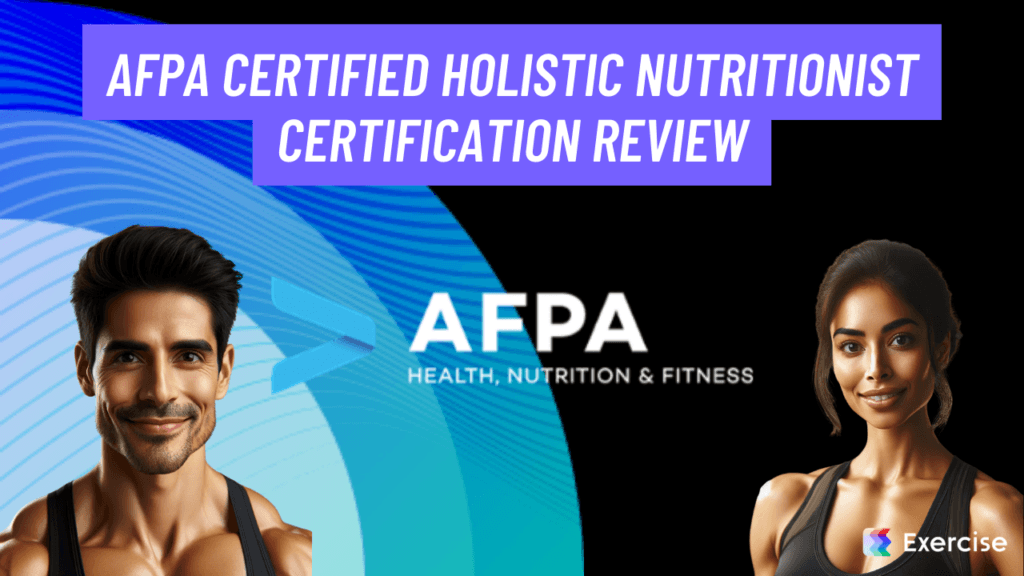
This course dives deep into the intricate relationship between food, lifestyle, and overall well-being. It’s one of the best health courses for those seeking comprehensive nutritional knowledge. It goes beyond calorie counting, exploring bio-individuality, therapeutic diets, and the profound impact of nutrient density on everything from energy levels to mood. Expect to learn about gut health, sustainable eating practices, and how to create personalized dietary plans that truly nourish. It’s less about restriction and more about understanding what makes *your* body sing.
Key Benefits
- Comprehensive understanding of human physiology and nutritional science.
- Skills to develop individualized dietary and lifestyle protocols.
- Focus on whole foods, natural supplements, and preventative health.
- Often includes business modules for those aspiring to coach or consult.
- Emphasis on addressing root causes of health imbalances.
Pricing
These programs typically range from $3,000 to $10,000+, depending on the depth, accreditation, and duration. Payment plans are often available, with some institutions offering scholarships or early-bird discounts. Consider it an investment in a potentially lucrative career or profound personal transformation.
Pros & Cons
Pros: Highly applicable for personal use and professional practice, strong focus on preventative care, empowering knowledge. Cons: Can be a significant time and financial commitment, scope of practice might be limited in some regions without additional licensing, requires continuous learning as science evolves.
Check Best Price for Certified Holistic Nutritionist Program →
2. Advanced Personal Training & Wellness Coaching Certification

Forget the stereotypical drill sergeant. Modern personal training and wellness coaching is about far more than just reps and sets. This certification is among the top health courses for aspiring fitness professionals. It moves beyond basic exercise science to incorporate behavioral psychology, motivational interviewing, and lifestyle modification strategies. It equips you to not only design effective fitness programs but also to understand and address the mental and emotional barriers clients face. It’s about building lasting habits and fostering intrinsic motivation, not just temporary fixes.
Key Benefits
- Deep knowledge of anatomy, exercise physiology, and biomechanics.
- Mastery of coaching techniques to inspire and guide behavioral change.
- Ability to create safe and effective, individualized training plans.
- Understanding of special populations (e.g., pre/post-natal, seniors).
- Focus on client-centered approaches and holistic well-being.
Pricing
Expect to pay between $1,500 and $4,000 for reputable certifications (e.g., NASM, ACE, ACSM), often including study materials, exam fees, and sometimes even a year of professional membership. Renewal typically requires continuing education credits, which come with additional costs.
Pros & Cons
Pros: High demand for skilled professionals, immediate practical application, deeply rewarding work. Cons: Requires ongoing education, physical presence is often preferred by clients (though online coaching is growing), competitive market in some areas.
Check Best Price for Advanced Personal Training & Wellness Coaching Certification →
3. Foundational Public Health Programs (e.g., via Coursera or edX)
If you’re less interested in one-on-one coaching and more about impacting communities, a foundational public health course is your calling. These Best Health Courses equip you to understand and address health challenges on a population level. Platforms like Coursera offer excellent programs from top universities, covering everything from epidemiology and biostatistics to health policy and environmental health. These aren’t just academic exercises; they equip you to understand and address health challenges on a population level, making a difference in the lives of many rather than just a few. It’s about systemic change, understanding disease patterns, and promoting well-being for entire populations.
Key Benefits
- Understanding of population-level health determinants and interventions.
- Skills in data analysis, research methods, and health communication.
- Knowledge of public health policy, ethics, and global health issues.
- Preparation for roles in government agencies, non-profits, or community health organizations.
- Addresses pressing societal health challenges (e.g., pandemics, chronic disease prevention).
Pricing
These can range from free audit tracks for individual courses on platforms like Coursera/edX to several hundred or even a few thousand dollars for professional certificates. Full master’s degrees (MPH) would be significantly more, but these foundational programs offer excellent value for gaining core competencies.
Pros & Cons
Pros: Addresses critical societal needs, broad impact potential, often available at flexible price points. Cons: Can be heavily theoretical, may require further specialization for specific career paths, less direct client interaction if that’s your preference.
4. Mindfulness & Stress Reduction Instructor Course
In our increasingly chaotic world, mental well-being is no longer a luxury, it’s a necessity. This type of course is one of the best health courses for cultivating presence, resilience, and emotional regulation. It equips you to teach practices that cultivate presence, resilience, and emotional regulation. It’s not about escaping reality, but about skillfully engaging with it. You’ll learn the neuroscience behind mindfulness, various meditation techniques, and how to effectively guide individuals and groups in developing their own stress reduction strategies. This can be profoundly beneficial for both personal peace and professional impact.
Key Benefits
- Deep personal practice and understanding of mindfulness principles.
- Skills to lead guided meditations and stress reduction exercises.
- Knowledge of the psychological and physiological benefits of mindfulness.
- Applicable in diverse settings: corporate wellness, education, private practice.
- Fosters self-awareness and emotional intelligence.
Pricing
Certification programs typically range from $1,000 to $5,000, often including retreats or live training components. Shorter introductory courses can be a few hundred dollars. Look for programs recognized by professional mindfulness associations or reputable training centers.
Pros & Cons
Pros: High demand for these skills in modern society, immediate personal benefits, can be integrated into many existing professions. Cons: Requires consistent personal practice and authenticity, market can be saturated with less credible offerings, requires careful ethical consideration when working with vulnerable populations.
Check Best Price for Mindfulness & Stress Reduction Instructor Course →
5. Integrative Health Practitioner Diploma
This path is for those who believe in connecting the dots between conventional and complementary health practices. An Integrative Health Practitioner program is among the most comprehensive Best Health Courses available. It trains you to look at a person holistically – considering diet, lifestyle, environment, genetics, and mental state – to identify root causes of imbalance. It’s about leveraging a wide range of tools, from functional lab testing to herbal medicine, alongside conventional wisdom. The National Wellness Institute is a good resource for understanding broader wellness certifications.
Key Benefits
- Holistic client assessment and personalized protocol design.
- Understanding of functional medicine principles and lab interpretation.
- Integration of nutrition, lifestyle, stress management, and natural remedies.
- Empowerment to act as a bridge between conventional and alternative healthcare.
- Focus on long-term wellness and prevention rather than just symptom management.
Pricing
These diplomas are often premium programs, ranging from $5,000 to $15,000+, reflecting their comprehensive nature and the breadth of modalities taught. Some offer tiered options or specialization tracks. Financial investment here often correlates with the depth of learning and potential career earnings.
Pros & Cons
Pros: Very comprehensive and cutting-edge, high demand for truly holistic practitioners, often leads to deep personal transformation. Cons: Can be expensive and time-consuming, requires extensive critical thinking, careful management of scope of practice to avoid legal issues.
Check Best Price for Integrative Health Practitioner Diploma →
6. Digital Health & Telemedicine Specialist Certification

Welcome to the future of health! As technology continues to reshape healthcare, specialists in digital health and telemedicine are becoming indispensable. These Best Health Courses are perfect for tech-savvy individuals. This certification covers the practical aspects of delivering care remotely, understanding health informatics, cybersecurity in healthcare, and the ethical implications of AI and digital tools. It’s perfect for those who are tech-savvy and want to contribute to innovative solutions that make healthcare more accessible and efficient. Think less stethoscopes, more secure video calls.
Key Benefits
- Proficiency in telemedicine platforms and digital health tools.
- Understanding of healthcare data management and security.
- Knowledge of regulatory compliance in virtual care delivery.
- Preparation for roles in health tech companies, remote clinics, or health systems.
- Addresses the growing need for accessible, technologically-driven healthcare.
Pricing
These specialized certifications often range from $800 to $3,000. They can be offered by universities, professional associations, or dedicated health tech training institutes. The investment is typically lower than more traditional health courses but opens doors to a rapidly expanding sector.
Pros & Cons
Pros: High growth potential in a burgeoning industry, flexible work arrangements often possible, direct impact on healthcare accessibility. Cons: Requires strong tech aptitude, constantly evolving landscape means continuous learning, ethical considerations around data and patient privacy are paramount.
Check Best Price for Digital Health & Telemedicine Specialist Certification →
How We Conducted Our Research: Cutting Through the Noise for the Best Health Courses
Choosing the Best Health Courses isn’t like picking a new coffee maker. The stakes are higher, and the information can be overwhelming. To bring you these recommendations, we didn’t just skim websites. We put on our detective hats and employed a rigorous vetting process, focusing on what truly matters when you’re investing your time and money into learning about health:
- Pricing: Evaluating market value and cost efficiency. Is the price justified by the content, accreditation, and potential ROI? We looked for transparency in fees and potential hidden costs like textbooks or exam retakes.
- Features: Identifying the “Must-Haves.” This includes comprehensive curriculum (not just surface-level info), practical application exercises, reputable instructors, and flexible learning formats to fit diverse schedules. We asked: does this course provide actionable skills, or just theoretical musings?
- Negatives: Transparent debugging of missing features. No course is perfect. We actively looked for common criticisms, areas where the program might fall short, or specific prerequisites that could be a barrier to entry. Understanding the downsides helps you manage expectations.
- Support: Community and refund policy checks. What kind of support system is in place for students? Is there a responsive team, a thriving alumni network, or mentorship opportunities? Crucially, we also checked refund policies – a confident program will usually offer a reasonable window if it’s not the right fit.
- Accreditation & Recognition: While not a direct bullet point in the template, this was a massive underlying factor. We prioritized courses from accredited institutions or recognized professional bodies, ensuring the credentials you earn are respected in the industry. This is key for career opportunities and professional credibility.
- Real-World Application & Career Outlook: We considered the practical utility of the knowledge gained. Does the course lead to tangible skills that can be applied in a job, or simply provide general information? We also assessed the potential career pathways and average earnings for professionals with these certifications, addressing the common “is it worth it?” content gap.
Our goal was to ensure that the recommendations aren’t just popular, but genuinely effective and valuable for your personal and professional growth in the health sector. These are truly the best health courses we could find.
Conclusion: Your Health Education Journey with the Best Health Courses Starts Now
Navigating the world of health education can feel like trying to find a needle in a haystack, especially when the haystack is full of flashy marketing and vague promises. But by focusing on well-structured, credible best health courses, you can cut through the noise and invest in knowledge that truly empowers you.
Whether you’re aiming to become a certified professional, deepen your personal understanding, or contribute to public health initiatives, the programs we’ve highlighted offer solid pathways to achieve your goals. Remember, the best course for you is the one that aligns with your specific interests, career aspirations, and learning style. Don’t be afraid to research further, check out trial lessons, and ask for testimonials.
Ultimately, investing in your health knowledge isn’t just about gaining a credential; it’s about gaining clarity, confidence, and the capacity to make a real difference—first in your own life, and then potentially in the lives of many others. So go forth, learn, and let’s make “health” less about trending fads and more about informed, sustainable well-being.