Tag: Investment Strategies

  • 5 Best Wealth Courses to Master Your Finances & Build an Empire

    Best Wealth Courses - featured banner5 Essential & Proven Best Wealth Courses to Master Your Finances

    TL;DR: The Top Recommendations

    Alright, confession time: I’m not some guru who woke up one morning with a secret scroll detailing all the wealth secrets. If I were, I’d probably be on a yacht somewhere, not writing this. But what I do know is that good education is priceless.

    We dove deep into the world of best wealth courses – separating the genuine gold from the digital fool’s gold – to bring you the top contenders. We’re talking about programs that actually teach you how to build a financial future, manage your money like a boss, and maybe even escape the rat race. No fluff, just actionable insights to get you started on your journey to financial freedom.

    Let’s be real, the internet is absolutely overflowing with “wealth courses.” From get-rich-quick schemes promising Lamborghinis by Tuesday to legitimate, life-changing financial education, it’s a jungle out there. My inbox, much like yours probably, is a testament to the sheer volume of gurus peddling their secrets. It’s enough to make you wonder: are any of these best wealth courses actually worth your hard-earned cash?

    That’s exactly why we’re here. We’ve sifted through the noise, bypassed the flashy sales pages, and dug into what truly makes a program effective when it comes to learning how to build and manage your wealth. Because let’s face it, nobody wants to invest in a course only to realize it’s just a glorified PowerPoint presentation of common sense wrapped in a motivational speech. We’re looking for substance, strategies, and genuine pathways to financial enlightenment.

    Whether you’re starting from scratch, looking to optimize your investments, or even dreaming of creating multiple income streams, finding the right mentor or structured learning path is crucial. It’s not just about learning to invest; it’s about understanding the psychology of money, mastering budgeting, and setting yourself up for long-term financial health. And just like nurturing your physical health with good habits (and maybe debunking a few myths about health), building wealth requires dedication and the right knowledge base.

    So, forget the smoke and mirrors. This guide cuts through the hype to present you with genuine contenders in the realm of best wealth courses. Think of me as your skeptical but ultimately helpful friend, pointing out where to spend your learning dollars wisely.

    1. The Foundations of Financial Freedom: Your Wealth Building Blueprint

    Best Wealth Courses - 1. The Foundations of Financial Freedom: Your Wealth Building Blueprint

    This course, often lauded for its practical, step-by-step approach, is perfect for those who feel overwhelmed by personal finance or are just starting their wealth-building journey. It strips away the jargon and focuses on establishing a rock-solid financial base. Think of it as learning to walk before you try to run an ultramarathon.

    It covers everything from budgeting and debt reduction to understanding basic investment vehicles and setting clear financial goals. It’s less about getting rich overnight and more about sustainable, long-term financial stability. Among the best wealth courses for beginners, this one truly shines.

    Key Benefits

    • Demystifies complex financial concepts into easily digestible lessons.
    • Provides actionable templates for budgeting, tracking expenses, and debt repayment plans.
    • Emphasizes the importance of financial discipline and long-term planning.
    • Includes modules on understanding credit scores and basic insurance needs.
    • Fosters a proactive mindset towards personal finance, transforming fear into confidence.

    Pricing

    Typically priced at a one-time fee of $499, with occasional promotions offering it for $399. Access is usually lifetime, including any future updates. There might be a payment plan option, but frankly, if you’re serious about wealth, paying it off quickly is good practice.

    Pros & Cons

    On the “pro” side, this course is incredibly thorough for beginners and provides an excellent foundation. The clarity of instruction and practical exercises are a huge plus. It truly empowers individuals to take control of their finances.

    However, for those already familiar with basic personal finance, it might feel a bit too entry-level. It doesn’t delve into advanced investment strategies or complex tax planning, which might be a “con” for more experienced learners. It’s not a course for day traders, but it’s fantastic for future financial planners seeking the best wealth courses for foundational knowledge.


    Check Best Price for The Foundations of Financial Freedom →

    2. Mastering the Markets: Advanced Investing Strategies for Wealth Growth
    Best Wealth Courses - 2. Mastering the Markets: Advanced Investing Strategies for Wealth Growth

    Once you’ve got your financial house in order, or if you’re already an intermediate investor looking to level up, this course is your next stop. It moves beyond index funds and delves into more sophisticated investment vehicles and strategies. We’re talking options, futures, real estate investment trusts (REITs), and even some alternative investments.

    The course instructors are often seasoned professionals with actual market experience, which is a breath of fresh air compared to some internet “gurus.” It’s designed to deepen your understanding of market dynamics and help you make more informed, strategic investment decisions to truly grow your wealth. This is one of the best wealth courses for advanced investors.

    Key Benefits

    • Explores advanced concepts like technical analysis, fundamental analysis, and portfolio diversification.
    • Introduces various asset classes beyond stocks and bonds, including commodities and derivatives.
    • Provides case studies and real-world examples to illustrate complex strategies.
    • Offers insights into risk management and how to protect your capital in volatile markets.
    • Access to a community forum for peer learning and expert Q&A sessions.

    Pricing

    This is a more premium offering, typically costing around $1,499 for lifetime access. They sometimes offer bundled packages with market analysis tools. Given the depth and potential ROI from advanced strategies, it’s an investment, not just an expense.

    Pros & Cons

    The “pros” here are the depth and breadth of advanced investment knowledge provided. It’s truly for those who want to go beyond the basics and understand the nuances of various markets. The community support is also a strong point.

    However, it’s definitely not for beginners; if you jump in without understanding the basics, you’ll feel lost and probably waste your money. The “cons” could also include the higher price point, though it’s commensurate with the advanced content. And remember, advanced strategies come with advanced risks, so don’t expect a magic bullet for guaranteed returns. Investing platforms like Acorns are a great, low-stress starting point before you dive into these waters.


    Check Best Price for Mastering the Markets →

    3. Build Your Empire: Entrepreneurial Wealth Creation Strategies

    Best Wealth Courses - 3. Build Your Empire: Entrepreneurial Wealth Creation Strategies

    For those who see wealth not just in investments but in creating value and building businesses, this course is a game-changer. It’s less about saving pennies and more about making dollars – big dollars, ideally. This program walks you through the entire entrepreneurial journey, from identifying market gaps and validating business ideas to building a minimum viable product, marketing, sales, and scaling.

    It’s hands-on, often project-based, and focused on practical application rather than just theory. If your idea of building wealth involves more active creation than passive investment, this is one of the best wealth courses out there for aspiring entrepreneurs.

    Key Benefits

    • Comprehensive modules on idea generation, market research, and business plan development.
    • Practical guidance on legal structures, funding options (bootstrapping vs. venture capital), and team building.
    • Strong emphasis on digital marketing, sales funnels, and customer acquisition strategies.
    • Includes interviews and case studies with successful entrepreneurs from various industries.
    • Often features a supportive community or mastermind groups for networking and accountability.

    Pricing

    Entrepreneurship courses can vary widely, but this one typically falls in the $997 – $1,997 range, sometimes with a subscription model for ongoing mentorship or access to private communities. It’s an investment in your future business, so consider it startup capital for your education.

    Pros & Cons

    The “pros” are clear: this course provides a robust framework for anyone serious about starting and scaling a business. The practical advice and real-world examples are invaluable. The networking opportunities are also a significant bonus.

    On the flip side, it demands significant time and effort; this isn’t a passive learning experience. It also assumes a certain level of risk tolerance and self-motivation that not everyone possesses. If you’re looking for quick wins without hard work, this isn’t it. But if you’re ready to roll up your sleeves and build an empire, it’s a solid choice among entrepreneurial best wealth courses.


    Check Best Price for Build Your Empire →

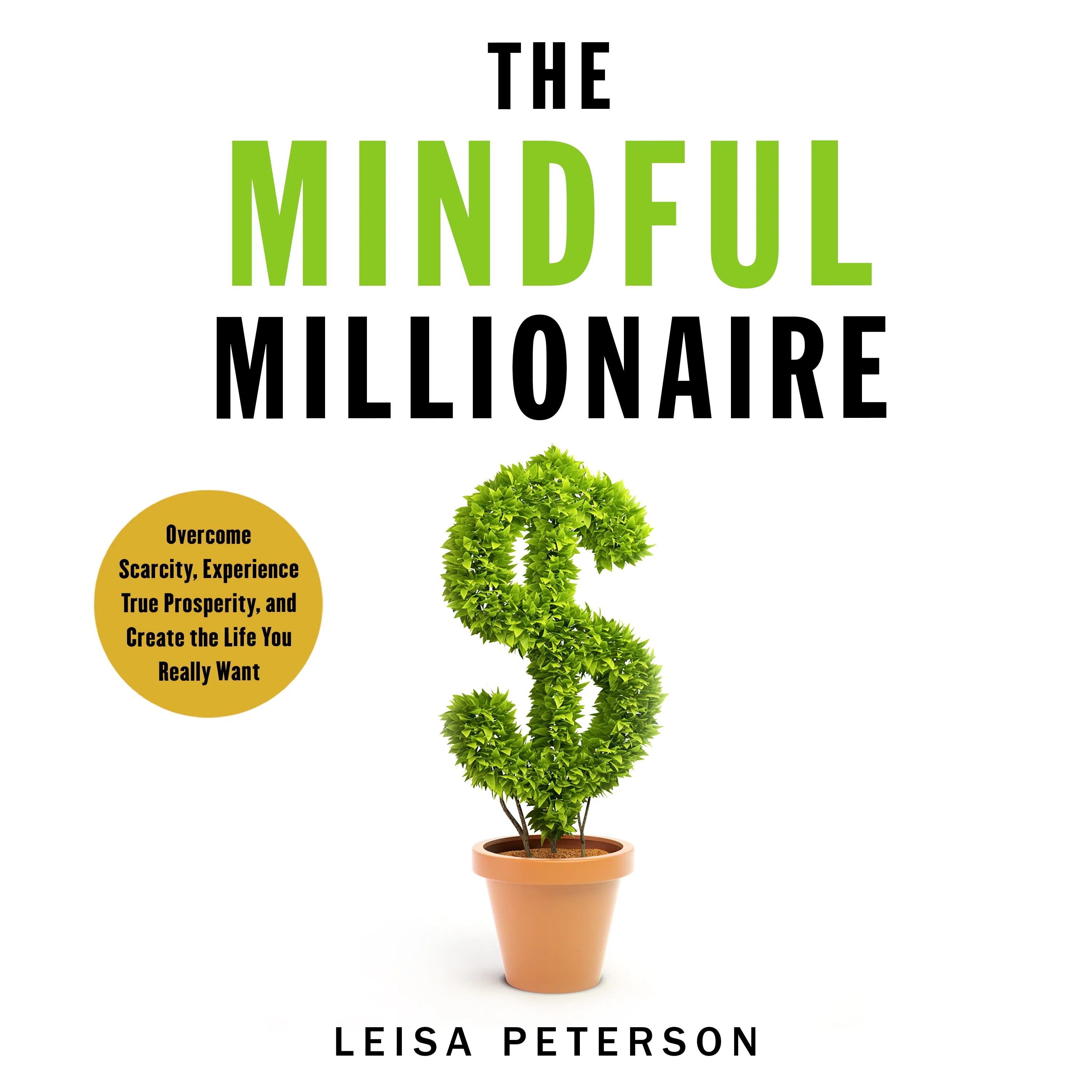
    4. The Mindful Millionaire: Psychology of Wealth & Financial Discipline
    Best Wealth Courses - 4. The Mindful Millionaire: Psychology of Wealth & Financial Discipline

    This course is for those who realize that building wealth isn’t just about spreadsheets and stock tickers; it’s profoundly about mindset, habits, and your relationship with money. It tackles the often-ignored psychological barriers that prevent people from achieving financial success – fear, scarcity mentality, impulsive spending, and procrastination.

    Through a blend of behavioral economics, mindfulness techniques, and practical exercises, it helps you reprogram your financial habits and develop the mental fortitude required for long-term wealth building. It complements any investment or business course by addressing the inner game of money, much like advanced health strategies focus on holistic well-being. It’s truly one of the best wealth courses for mastering your financial psychology.

    Key Benefits

    • Identifies and helps overcome common psychological blocks to wealth accumulation.
    • Teaches techniques for mindful spending, conscious saving, and investing without emotional biases.
    • Explores the concept of abundance mentality and how to cultivate it.
    • Includes guided meditations and journaling prompts focused on financial clarity and goal setting.
    • Provides strategies for dealing with financial stress and building resilience.

    Pricing

    This type of course often costs between $300 and $700, reflecting its niche focus on mindset. It’s often offered as a self-paced program with optional live Q&A sessions or group coaching at a higher tier. It’s an investment in your brain, which is frankly priceless.

    Pros & Cons

    The main “pro” is its unique and vital focus on the psychological aspects of wealth, which many other wealth courses completely overlook. It’s a fantastic complement to more technical financial training. It helps you build a strong mental foundation, making other strategies more effective.

    The “con” is that it might not be for everyone; some learners prefer purely tactical advice. It also requires a willingness to engage in self-reflection and personal development, which isn’t always easy. But if you find yourself constantly sabotaging your financial goals, this course could be the missing piece among the best wealth courses.


    Check Best Price for The Mindful Millionaire →

    5. Passive Income Playbook: Generate Wealth While You Sleep
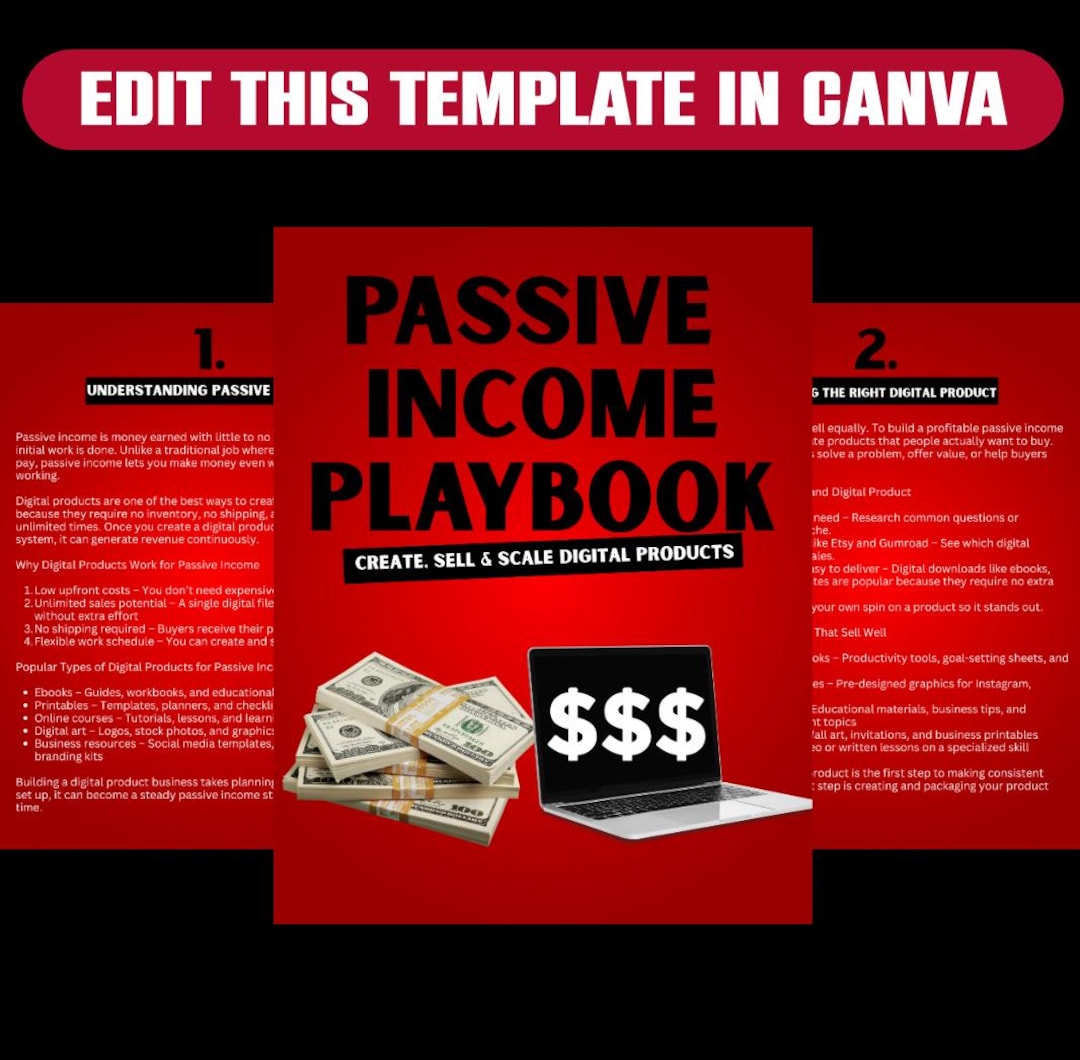
    Best Wealth Courses - 5. Passive Income Playbook: Generate Wealth While You Sleep

    Who doesn’t dream of making money while they’re enjoying a latte or, dare I say, sleeping? This course dives deep into various passive income streams, teaching you how to set up systems that generate revenue with minimal ongoing effort. It covers everything from real estate rentals and dividend investing to digital products, affiliate marketing, and dropshipping. The focus is on creating assets that work for you, rather than constantly trading your time for money. If you’re looking to diversify your income and create true financial freedom, this is one of the most popular types of best wealth courses.

    Key Benefits

    • Explores multiple proven passive income models with detailed how-to guides.
    • Provides frameworks for identifying profitable niches and evaluating opportunities.
    • Includes modules on automation tools and outsourcing to minimize active involvement.
    • Offers strategies for scaling passive income streams once they are established.
    • Access to a community of like-minded individuals building their own passive assets.

    Pricing

    These courses often range from $500 to $1,500, sometimes with tiered options that include direct mentorship or exclusive resource libraries. Given the potential for ongoing income, the upfront cost can be well worth it if you apply the teachings.

    Pros & Cons

    The obvious “pro” is the promise of income that isn’t directly tied to your time, offering ultimate financial freedom. The course typically provides practical, step-by-step guidance on setting up various passive streams.

    However, the “con” is that “passive” doesn’t mean “no work.” Setting up these systems often requires significant upfront effort, time, and sometimes capital. It’s not a magic button; it’s about building a machine that, once built, operates on its own. Realistic expectations are crucial here. But for those dedicated to building assets that churn out money, this playbook is invaluable. Remember, platforms like Acorns can help you start building a passive investment portfolio with very little effort, a great first step towards this goal.


    Check Best Price for Passive Income Playbook →

    How We Conducted Our Research on Best Wealth Courses

    Okay, so how did we decide which best wealth courses actually make the cut and which are just digital snake oil? We’re not about promoting just anything that promises riches. Our methodology is pretty straightforward, and frankly, a bit ruthless, because your financial education shouldn’t be a gamble. We focused on what truly matters when you’re looking to invest in your financial future:

    • Pricing: Evaluating market value and cost efficiency. We asked: Is the price justified by the content’s depth and actionable insights? Does it offer payment plans for accessibility? Are there hidden fees? We looked for transparency and good value, not just cheapness. Sometimes, you truly get what you pay for, and sometimes, you just pay a lot for very little.
    • Features:
      Identifying the “Must-Haves.” This goes beyond just video lessons. Does it include templates, workbooks, community access, live Q&As, or direct instructor support? Are the lessons updated regularly to reflect current market conditions? We looked for comprehensive resources that support learning and implementation. For instance, reputable financial platforms like Investopedia often stress the importance of understanding underlying concepts, which good courses should provide.
    • Negatives:
      Transparent debugging of missing features. No course is perfect. We actively sought out criticisms and common complaints. Is the support lacking? Is the content outdated? Does it over-promise and under-deliver? Being upfront about a course’s weaknesses helps set realistic expectations.
    • Support:
      Community and refund policy checks. What kind of ongoing support is available? Is there an active and helpful community? What’s the refund policy like? A strong refund policy shows confidence in the product, and a good community can be invaluable for motivation and troubleshooting. We also considered whether the course encourages continued learning, perhaps by recommending further reading or tools like those found on NerdWallet for ongoing financial literacy.
    • Instructor Credibility:
      We dug into the backgrounds of the course creators. Do they have verifiable experience and success in the areas they teach? Are they just theoretical gurus, or have they actually walked the walk? This is crucial for separating genuine expertise from mere marketing prowess.
    • Actionability:
      Can you actually *do* something with this information? We prioritized courses that offer practical steps, exercises, and frameworks you can immediately apply, rather than just abstract theories. Learning should lead to doing. Many of the best online financial education programs, such as those found on Coursera, are lauded for their practical application.

    We believe that when you’re looking to invest in best wealth courses, you deserve a transparent and honest assessment. This isn’t just about finding a course; it’s about finding an educational partner in your journey to financial independence.

    Conclusion: Investing in Knowledge is the Truest Path to Wealth

    Look, if I’ve learned one thing (besides maybe how many times I can hit snooze before being late), it’s that genuine wealth isn’t built overnight or with a magic wand. It’s a marathon, not a sprint, and it requires consistent effort, smart strategies, and most importantly, solid education. The right best wealth courses can be transformative, providing you with the knowledge, tools, and mindset to navigate the complex world of personal finance and investing.

    Whether you choose to lay a strong financial foundation, dive into advanced market strategies, build your own empire, master the psychology of money, or create passive income streams, remember that your greatest asset is your ability to learn and adapt. Don’t fall for the hype of instant riches, but also don’t underestimate the power of structured learning. Pick a course that aligns with your current level and goals, commit to the process, and watch as your financial literacy — and hopefully, your bank account — grows. It’s an investment in yourself, and frankly, that’s the best kind of investment you can make. Now, go forth and build that wealth, you smart friend, you!


  • Ultimate Guide: Navigating the Future of Wealth for Unstoppable Prosperity

    Navigating the Future of Wealth - featured bannerUltimate Guide: Navigating the Future of Wealth for Unstoppable Prosperity

    The Mission Objective

    Alright, confession time. For years, I pictured “wealth” as some old-school banker in a pinstripe suit, probably counting stacks of physical cash in a vault. Or maybe, if I was feeling generous, a minimalist digital nomad sipping kombucha while his crypto portfolio moonwalked. The truth? Navigating the future of wealth is far weirder, more exciting, and frankly, a bit more existential than either of those images. My goal here isn’t to hand you a crystal ball, because frankly, mine’s usually just showing me what I had for breakfast. Instead, we’re going to pull back the curtain on how our understanding of money, value, and prosperity is morphing faster than a TikTok trend. More importantly, we’ll show you how you can actually prepare for it. Think of this as your smart friend’s guide to not getting left behind in the financial dust.

    What is the ‘Future of Wealth’ and Why is Navigating It Crucial?

    So, what exactly is this mystical “future of wealth” we keep hearing about? Is it flying cars that run on Bitcoin? Holographic financial advisors? While a few of those ideas might not be *entirely* off the table, the future of wealth isn’t just about having more money; it’s about a fundamental shift in how we create, manage, measure, and even *perceive* value. It’s a multi-faceted beast shaped by technological advancements, societal changes, and evolving global priorities.

    At its core, navigating the future of wealth involves moving beyond traditional financial assets (stocks, bonds, real estate) to embrace a more expansive definition. We’re talking about digital assets like cryptocurrencies and NFTs, yes, but also the increasing importance of intellectual capital, social influence, health capital, and even environmental sustainability.

    Artificial intelligence isn’t just crunching numbers; it’s personalizing financial advice and creating new markets. The gig economy isn’t a temporary blip; it’s reshaping how we earn and where our income comes from. Decentralized finance (DeFi) is challenging the gatekeepers of traditional banking, offering new pathways for investing and borrowing. It’s a dynamic landscape where adaptability isn’t just a buzzword; it’s the ultimate currency for navigating the future of wealth.

    This isn’t just about financial institutions figuring out blockchain; it’s about *you* figuring out how to build a resilient, adaptable financial life in a world that’s constantly rewriting its own rules. It’s about understanding that wealth might increasingly mean access over ownership, experience over accumulation, and purpose over profit alone. And trust me, navigating this brave new world successfully is far more satisfying than trying to predict the next meme stock.

    Critical Reasons to Master Navigating the Future of Wealth

    Navigating the Future of Wealth - Reasons You Need to Master This

    • Stay Relevant, Not Relic: The financial world is evolving at warp speed. Ignoring the shifts in digital assets, AI-driven finance, or new earning models is like bringing a flip phone to a metaverse party. You’ll miss out on opportunities and might find your current financial strategies becoming obsolete.
    • Unlock New Opportunities: The future of wealth isn’t just about threats; it’s a goldmine of new avenues for investment, income generation, and personal growth. Understanding it means you can spot emerging trends, like the growth of impact investing or the power of personalized financial AI, long before everyone else piles in.
    • Build a Resilient Financial Life: Diversification in the future means more than just a mix of stocks and bonds. It means diversifying your income streams, your skill set, and your understanding of value. This knowledge acts as a critical shield against economic volatility and unexpected shifts. (Speaking of resilience, understanding how to future-proof your finances is practically mandatory now, not optional.)
    • Redefine Your Own Success: The narrow, traditional definition of wealth is cracking. By embracing the future, you get to consciously decide what true prosperity means for you – be it financial freedom, meaningful work, time affluence, or even contributing to a more sustainable world. It’s about aligning your money with your values.
    • Protect Your Assets (and Your Privacy): With new forms of wealth come new risks. Understanding cybersecurity for digital assets, navigating data privacy in personalized finance, and discerning legitimate opportunities from scams are vital skills to safeguard what you’ve built.
    • Influence the Narrative: As the financial world reconstructs itself, those who understand its mechanics will be better positioned to advocate for fairness, accessibility, and ethical practices. Don’t just be a passenger; help steer the ship.

    Step-by-Step Instructions to Navigate the Future of Wealth

    Okay, so “mastering the future of wealth” sounds a bit like trying to herd cats in zero gravity. But fear not, future financial guru! While there’s no single cheat sheet, there are concrete steps you can take to understand and leverage these seismic shifts. Think of this not as a rigid plan, but a flexible roadmap to staying financially nimble and, dare I say, slightly ahead of the curve. And before we dive deeper, let’s clear up some old baggage. Many traditional notions of wealth are fast becoming relics, and we’ve actually debunked some of them in our post, 5 Myths About wealth Debunked.

    Step 1: Expand Your Definition of ‘Wealth’ Beyond Cash

    Navigating the Future of Wealth - Step 1: Expand Your Definition of ‘Wealth’ Beyond Cash

    Instruction: Start by critically assessing what you consider valuable. Is it just the number in your bank account? Or does it include your health, your skills, your network, your digital footprint, or even your impact on the community? The future rewards a multi-capital mindset for navigating the future of wealth successfully.

    Why it Matters: In an era where traditional jobs can be automated and markets fluctuate wildly, “wealth” is diversifying. Intellectual capital (your unique skills and knowledge), social capital (your network and influence), and health capital (your physical and mental well-being) are becoming incredibly powerful assets. For example, a robust professional network can open doors to opportunities far more valuable than a fluctuating stock price.

    Remember, true wealth isn’t just about zeroes in your bank account; it’s also about your health. (Shameless plug: if you’re looking to boost that *other* kind of capital, check out our guide on Top Courses to Learn health.) Recognising these broader forms of value allows you to invest in them strategically, creating a more resilient and fulfilling life. As the World Economic Forum frequently discusses, the future economy values diverse forms of capital beyond just financial.

    Step 2: Embrace Financial Literacy 2.0: Digital Assets & Decentralization

    Navigating the Future of Wealth - Step 2: Embrace Financial Literacy 2.0: Digital Assets & Decentralization

    Instruction: Educate yourself on the basics of digital assets (cryptocurrencies, NFTs), blockchain technology, and decentralized finance (DeFi). You don’t need to be a coding wizard, but you do need to understand the concepts and their implications.

    Why it Matters: These aren’t just speculative fads anymore; they’re foundational technologies reshaping finance. Understanding how blockchain works, what a stablecoin is, or the potential of smart contracts will equip you to make informed decisions – whether that’s considering an investment, understanding future payment systems, or simply recognizing scams. Don’t just dismiss them because they sound complicated. Take a course, read reputable news, and explore platforms. McKinsey’s report on The Future of Wealth Management highlights the increasing importance of digital asset integration for traditional financial services. This isn’t just for the crypto bros; it’s for everyone navigating the future of wealth.

    Step 3: Diversify Your Income & Skills for the Gig Economy

    Instruction: Actively cultivate multiple income streams and continuously update your skill set, particularly in areas resistant to automation or augmented by AI (e.g., creativity, critical thinking, emotional intelligence, complex problem-solving). This is a vital step for navigating the future of wealth.

    Why it Matters: The traditional career path with one employer for life is increasingly rare. The future of wealth often involves a portfolio of work: a main job, side hustles, consulting gigs, or passive income. This diversification reduces reliance on a single source and provides greater financial security.

    Furthermore, as AI takes over routine tasks, uniquely human skills become more valuable. Think about developing skills that can be monetized in various ways, from freelancing to creating digital products. This strategy helps build a robust and adaptable financial foundation, often talked about in foresight reports like those from Deloitte’s Future of Wealth Management series.

    Step 4: Prioritize Digital Security and Privacy

    Navigating the Future of Wealth - Step 4: Prioritize Digital Security and Privacy

    Instruction: Become incredibly vigilant about your digital footprint, cybersecurity practices, and data privacy. Use strong, unique passwords, two-factor authentication, and be skeptical of unsolicited digital communications.

    Why it Matters: As more of our wealth becomes digital (bank accounts, investment portfolios, digital assets), the risk of cyber theft and data breaches skyrockets. Your personal financial data is a goldmine for criminals. Protecting it isn’t just good practice; it’s fundamental to safeguarding your future wealth. Think of it as putting the best locks on your digital vault. A single data breach can wipe out years of hard work. This also extends to understanding what data financial apps or services collect and how they use it. Be proactive, not reactive, when navigating the future of wealth.

    Step 5: Embrace AI as a Financial Co-Pilot, Not a Replacement

    Instruction: Explore and understand how AI tools can enhance your financial decision-making, from personalized budgeting apps to advanced investment analysis platforms. But always maintain human oversight.

    Why it Matters: AI isn’t here to steal your financial advisor’s job (yet!), but it can certainly augment your capabilities. Robo-advisors offer cost-effective, algorithm-driven investment management. AI-powered budgeting tools can predict spending patterns and suggest savings strategies you’d never think of. Understanding these tools means you can use them to optimize your investments, manage debt, and even identify new financial opportunities more efficiently. They free up your cognitive load for more strategic, human-centric financial planning. Just remember, AI is a tool; you’re still the master craftsman. If you’re looking to start investing and want an AI assistant to get you going, consider platforms like Acorns, which rounds up your spare change to invest automatically – a great intro to passive income and saving for navigating the future of wealth.

    Step 6: Cultivate a Long-Term, Adaptable Mindset

    Navigating the Future of Wealth - Step 6: Cultivate a Long-Term, Adaptable Mindset

    Instruction: Recognize that the future of wealth is not a static destination but a continuous journey of learning and adaptation. Develop a growth mindset, staying curious about new technologies, economic models, and societal values.

    Why it Matters: The pace of change isn’t slowing down. What’s cutting-edge today might be obsolete tomorrow. A long-term perspective helps you weather short-term volatility, while an adaptable mindset ensures you’re ready to pivot when new opportunities arise or existing ones fade. This means committing to lifelong learning, being open to new ideas, and regularly re-evaluating your financial strategies against the backdrop of an ever-evolving world. It’s about building resilience not just in your portfolio, but in your entire financial philosophy for navigating the future of wealth.

    Key Considerations for Successfully Navigating the Future of Wealth

    Navigating the choppy waters of future wealth isn’t just about following steps; it’s about internalizing certain truths and staying vigilant. Here’s what smart people are thinking about:

    • Regulatory Whiplash: Governments are still playing catch-up with digital assets and new financial technologies. Expect regulatory changes, new laws, and potential crackdowns that could impact your investments or earning models. Staying informed isn’t just about growth, it’s about protection.
    • The “Access vs. Ownership” Debate: The future might see a shift from owning assets (cars, homes, software licenses) to having access to them via subscriptions, rentals, or shared economies. This can reduce upfront costs but also changes how we define personal wealth and long-term security. How will this affect your personal financial planning?
    • Ethical & Sustainable Investing: Values are increasingly influencing investment decisions. Environmental, Social, and Governance (ESG) factors aren’t just buzzwords; they represent a growing movement where investors seek returns with purpose. Ignoring this trend could mean missing out on significant capital flows and alignment with future consumer demands.
    • Global Interconnectedness: Economic shifts in one part of the world (e.g., a new CBDC in China, tech regulations in Europe) can have ripple effects everywhere. A global perspective, even for personal finance, is no longer optional.
    • The Human Element: While AI and automation will transform finance, human skills like empathy, creativity, ethical judgment, and complex negotiation will become even more valuable. Don’t lose sight of developing these “un-automatable” assets for navigating the future of wealth.

    Taking it to the Next Level

    Navigating the Future of Wealth - Taking it to the Next Level

    You’ve got the basics down, now let’s talk about the financial equivalent of a double-black diamond run. For those truly looking to push the boundaries, consider diving into concepts like Decentralized Autonomous Organizations (DAOs) where communities collectively manage assets and decisions. Explore impact investing on a deeper level, not just avoiding bad companies, but actively funding solutions to global challenges. Look into the emerging tokenization of real-world assets (real estate, art) on the blockchain, which could democratize access to previously exclusive markets. Also, delve into personalized, predictive financial analytics, which uses advanced AI to anticipate your financial needs and offer tailored, real-time advice beyond standard robo-advisors. It’s about being a pioneer, not just an early adopter in navigating the future of wealth.

    Evolving Mindsets of Wealth

    Navigating the Future of Wealth - Evolving Mindsets of Wealth

    Forget “alternative methods”; let’s talk about alternative *mindsets*. The true next level isn’t about a different tool, but a different way of thinking. Consider the “minimalist wealth” approach, where true richness is defined by freedom from debt, time affluence, and experiences over material possessions. Explore “community wealth building” where local economies and collective well-being are prioritized over individual accumulation, often through things like local currencies or co-ops. Think about “regenerative finance” where investments are specifically designed to create positive environmental and social impact while generating financial returns. These aren’t just fringe ideas; they’re emerging philosophies that challenge the very core of traditional capitalism, suggesting that the most valuable wealth in the future might be shared, sustainable, and deeply purposeful for navigating the future of wealth.

    Wrapping Up

    So, there you have it – your slightly irreverent, hopefully illuminating tour of the future of wealth. If your head’s spinning a bit, join the club. Mine usually is. The key takeaway here isn’t to perfectly predict the next big thing (if I could, I wouldn’t be writing this, I’d be on a yacht somewhere, probably investing in AI-powered self-drying towels). It’s about cultivating an adaptable mindset, embracing continuous learning, and understanding that ‘wealth’ is becoming a much richer, more nuanced concept.

    We’re moving beyond simple bank balances to a world where digital savvy, diverse skills, robust networks, and even your personal well-being are your most valuable assets. The old financial playbooks are being rewritten, and honestly, that’s pretty exciting. It means more opportunities for those willing to learn, adapt, and challenge conventional wisdom. So, stay curious, keep learning, and remember: the future of wealth isn’t just happening *to* you; it’s something you can actively shape. Now go forth, and build your multi-faceted empire. Just try not to lose your crypto keys in the process of navigating the future of wealth.

  • 10 Proven Advanced Wealth Strategies: Essential Tactics for True Financial Freedom

    Advanced Wealth Strategies - featured banner10 Proven Advanced Wealth Strategies: Essential Tactics for True Financial Freedom

    The Mission Objective

    Alright, let’s be honest. Mastering advanced wealth strategies is crucial for anyone looking to truly build and preserve significant assets beyond basic budgeting and saving. Most “wealth advice” out there feels like it’s written for someone who still thinks a piggy bank is a sophisticated investment vehicle.

    Budgeting? Saving your Starbucks money? Bless your heart, those are foundational, but they barely scratch the surface for serious wealth builders. This isn’t about getting rich quick; it’s about understanding the deeper game, the levers and pulleys that the pros (or at least, the really smart friends of pros) use.

    Our mission today is to cut through the fluff and dive headfirst into the world of advanced wealth strategies, giving you the playbook to not just accumulate, but to master your financial destiny. Consider this your friendly, slightly sarcastic guide to leveling up your money game.

    What Are Advanced Wealth Strategies, Anyway?

    Let’s clear the air. When we talk about advanced wealth strategies, we’re not just talking about tucking a few bucks into a 401(k) or opening a brokerage account. While those are crucial first steps in your modern wealth system, advanced wealth strategies are the sophisticated techniques employed by individuals and families to grow, preserve, and transfer substantial assets more efficiently and effectively.

    Think beyond stocks and bonds to private equity, intricate tax planning, robust asset protection, and multi-generational estate plans. It’s about creating a financial fortress, not just a sturdy shed.

    It’s the difference between planting a single seed and cultivating a diverse, resilient ecosystem designed to weather any storm and produce a continuous harvest. It’s for those who’ve mastered the basics and are now asking, “What’s next? How do I optimize *everything*?”

    Reasons You Need to Master Advanced Wealth Strategies

    Reasons You Need to Master Advanced Wealth Strategies

    • Beyond Growth – Preservation is King: Once you’ve built wealth, the game shifts. It’s no longer just about making more, but about protecting what you have from taxes, inflation, market downturns, and unforeseen liabilities. This is a core tenet of advanced wealth strategies. Think of it as upgrading from offense to defense, but with a lot more finesse.
    • Tax Efficiency on Steroids: Uncle Sam is always watching. Basic tax deductions are fine, but advanced strategies involve complex structures, charitable trusts, and strategic timing to significantly reduce your tax burden, allowing more of your hard-earned money to compound.
    • Legacy and Impact: True wealth isn’t just about your bank account; it’s about what you can do for your family, your community, and the causes you care about. Advanced planning allows for impactful philanthropy and ensures your wealth serves your values for generations.
    • Freedom from the Rat Race: Mastering advanced wealth strategies isn’t just about accumulating zeros; it’s about buying freedom. Freedom of time, choice, and purpose. It’s about building a life where financial worries are an afterthought, not a daily grind. And speaking of grinding, if you’re feeling the effects of chronic stress, remember that true well-being is holistic. We’ve even debunked a few myths about health that might surprise you.
    • Diversification Beyond the Obvious: Stock market got you sweating? Advanced strategies often involve alternative assets that can provide diversification and potentially higher returns, often with lower correlation to traditional markets. Think real estate syndications, private equity, or even niche collectibles.

    Step-by-Step Instructions to Embrace Advanced Wealth Strategies

    Alright, buckle up. This isn’t a weekend project. Building advanced wealth takes time, patience, and a willingness to dig deeper than your average financial blog post. But the rewards? Oh, they’re worth it. Here’s a conceptual roadmap.

    Step 1: Re-evaluate Your Financial Foundation with a Magnifying Glass

    Advanced Wealth Strategies - Step 1: Re-evaluate Your Financial Foundation with a Magnifying Glass

    Before you even think about private jets or exotic island investments, you need to ensure your existing financial house is in impeccable order. This goes beyond a simple budget; it means scrutinizing every asset, every liability, and every cash flow stream with the precision of a Swiss watchmaker.

    Are your insurance policies robust enough for significant assets? Do you have adequate umbrella coverage? Are your emergency funds truly liquid and sufficient, not just for a rainy day, but for a financial hurricane?

    This is also where you might start automating some foundational savings, even if it feels “basic.” Tools like Acorns, for instance, can help you passively invest your spare change, building a consistent habit that underpins even the most advanced wealth strategies. It’s about creating a bedrock so strong, it can support a skyscraper of wealth.

    Step 2: Diversify Beyond the Obvious – Hello, Alternative Assets!

    Advanced Wealth Strategies - Step 2: Diversify Beyond the Obvious – Hello, Alternative Assets!

    If your portfolio is 90% publicly traded stocks and bonds, you’re missing a huge piece of the advanced wealth puzzle. Alternative assets offer unique risk/return profiles and often low correlation to traditional markets, which is fancy talk for “they don’t always move in sync with the Dow.” Embracing these is a hallmark of advanced wealth strategies.

    • Private Equity & Venture Capital: Investing directly in private companies (or funds that do) can offer higher growth potential, albeit with higher risk and illiquidity. This isn’t for the faint of heart, but for those with significant capital and a long-term horizon, it can be incredibly lucrative.
    • Direct Real Estate Investments & Syndications: Forget your REITs for a moment. We’re talking about investing directly in commercial properties, multi-family units, or joining syndications for larger projects. This offers direct control (or indirect via a sponsor), depreciation benefits, and potential cash flow. Forbes Advisor offers a great primer on real estate syndication if you’re curious about diving deeper.
    • Hedge Funds: These funds employ complex strategies, often using leverage and derivatives, to generate returns in various market conditions. They typically have high minimum investments and fees but can offer true diversification and active risk management.
    • Tangible Assets: Fine art, rare collectibles, precious metals, timberland, or even vineyards. These assets can appreciate significantly, act as inflation hedges, and provide personal enjoyment (you can’t hang a stock certificate on your wall, after all).

    Step 3: Master Tax Efficiency and Bulletproof Estate Planning

    Advanced Wealth Strategies - Step 3: Master Tax Efficiency and Bulletproof Estate Planning

    Taxes are often the biggest destroyer of wealth. Basic tax planning is for rookies. Advanced wealth builders are looking at strategies that legally minimize their tax liability across income, capital gains, and estate taxes. This is where you might employ:

    • Charitable Trusts (CRTs & CLATs): These allow you to donate assets to charity while retaining an income stream or transferring wealth to heirs with significant tax benefits.
    • Opportunity Zone Investments: Investing in designated low-income areas can defer and potentially eliminate capital gains taxes.
    • Donor-Advised Funds (DAFs): An increasingly popular tool for philanthropic giving, allowing you to take an immediate tax deduction while distributing grants to charities over time. The National Philanthropic Trust has excellent resources on DAFs.
    • Family Limited Partnerships (FLPs): These can be used to transfer assets to younger generations at discounted valuations, reducing estate taxes.
    • Advanced Estate Planning: Beyond a simple will, we’re talking dynasty trusts, generation-skipping trusts, irrevocable life insurance trusts (ILITs), and planning for multi-jurisdictional assets to minimize probate and estate taxes. The goal is to ensure your wealth passes efficiently and privately to your chosen beneficiaries.

    Step 4: Cultivate a Wealth Mindset and Strategic Legacy Planning

    Advanced Wealth Strategies - Step 4: Cultivate a Wealth Mindset and Strategic Legacy Planning

    Advanced wealth isn’t just about spreadsheets; it’s about psychology and philosophy. It’s about developing a mindset that sees wealth not as an end, but as a tool for impact and freedom. This includes:

    • Active Risk Management: Understanding and mitigating risks unique to significant wealth – from economic downturns to cyber threats and even frivolous lawsuits. This often involves asset protection trusts and robust insurance portfolios.
    • Philanthropic Strategy: Developing a thoughtful giving strategy that aligns with your values, maximizes impact, and potentially offers tax benefits. This moves beyond simple donations to creating endowments or private foundations.
    • Financial Education for Heirs: Preparing the next generation to be responsible stewards of wealth, rather than accidental beneficiaries. This involves open communication and practical experience.
    • Succession Planning: For entrepreneurs and business owners, seamlessly transitioning your business to new leadership or preparing it for sale to maximize value.

    Step 5: Active Management & Adaptation – The Wealth Steward’s Role

    Advanced Wealth Strategies - Step 5: Active Management & Adaptation – The Wealth Steward’s Role

    Advanced wealth isn’t a “set it and forget it” game. It requires ongoing vigilance, adaptation, and a willingness to adjust your strategies as markets, tax laws, and personal circumstances evolve. This means:

    • Regular Portfolio Reviews: More frequent and in-depth than your average quarterly check-up, diving into the performance, risk, and tax implications of every component of your advanced wealth strategy.
    • Staying Abreast of Changes: Tax codes change, investment landscapes shift, and new opportunities emerge. A truly advanced wealth steward stays informed and is proactive in adjusting their plan.
    • Leveraging Expert Networks: You can’t be an expert in everything. Surrounding yourself with a team of trusted advisors – financial planners, tax attorneys, estate lawyers, and specialized investment managers – is non-negotiable. Think of it as your personal financial “Avengers” team.
    • Behavioral Discipline: Avoiding common financial pitfalls driven by emotion – panic selling, chasing fads, or lifestyle creep. Sticking to a well-thought-out plan, even when it’s uncomfortable, is paramount.

    Key Considerations for Success in Advanced Wealth Strategies

    Okay, so we’ve covered the what and the how, but let’s talk about the nuances that separate the successful wealth builders from those who just… try really hard. It’s not just about the tactics; it’s about the mindset and the scaffolding you build around your money.

    First, recognize that this isn’t a DIY project for most. The complexity involved in truly advanced wealth strategies—navigating intricate tax codes, evaluating private investment opportunities, and structuring multi-generational legacies—often requires a team of seasoned professionals. A good wealth advisor acts as your conductor, orchestrating the various specialists (tax attorneys, estate lawyers, insurance brokers, specialized asset managers) to work in concert towards your goals. Don’t be too proud (or cheap) to build a powerful team around your financial future.

    Secondly, patience is not just a virtue; it’s a superpower. Many advanced wealth strategies, particularly those involving private equity or complex estate planning, have long horizons. Expecting immediate gratification is a recipe for disaster and can lead to short-sighted decisions that undermine your long-term objectives. Think in decades, not quarters.

    Taking it to the Next Level

    Advanced Wealth Strategies - Taking it to the Next Level

    For those truly committed to pushing the envelope, consider exploring niche opportunities that aren’t on everyone’s radar. This might include direct investments in specific distressed assets, sophisticated options strategies for income generation (if you truly understand the risks!), or even becoming a limited partner in a venture fund that aligns with your expertise.

    Another often-overlooked area is optimizing your human capital. Your ability to earn, innovate, and adapt is your greatest asset. Investing in your skills, network, and personal growth can yield returns far beyond what any financial market can offer. Think of it as an ongoing investment in ‘you, Inc.’

    Furthermore, actively engaging with thought leaders in finance, economics, and even psychology can provide invaluable insights. Don’t just consume news; critically analyze trends and identify potential disruptions or opportunities before the masses catch on. This means reading academic papers, attending specialized conferences (not just the big, flashy ones), and cultivating a network of truly intelligent individuals. It’s about being a student of the game, relentlessly.

    Alternative Methods and Approaches

    Advanced Wealth Strategies - Alternative Methods and Approaches

    While we’ve focused on direct investment and structural optimization, there are alternative pathways to accumulating and managing significant wealth. Entrepreneurship, for instance, remains one of the most powerful engines for wealth creation. Building and scaling a successful business can generate capital far exceeding what traditional employment or public market investing might offer. The control, leverage, and potential for exponential growth are unparalleled. However, it comes with its own unique risks and demands.

    For those who aren’t entrepreneurs, cultivating a specialized, high-income skill set that allows for consulting or advisory work can also accelerate wealth accumulation, providing both capital and flexibility.

    Another alternative approach is the “slow and steady, but incredibly smart” method. This involves meticulous research into undervalued public companies or overlooked sectors, applying a deep-value investing philosophy similar to Warren Buffett’s approach. This requires immense discipline, independent thinking, and a willingness to stand apart from the crowd. It’s less about exotic assets and more about profound understanding and patience in traditional markets, but executed with an advanced level of insight.

    Wrapping Up: Mastering Advanced Wealth Strategies is a Marathon, Not a Sprint

    If you’ve made it this far, congratulations. You’ve proven you’re not just interested in the financial equivalent of coloring by numbers. You’re ready for the master class. My own journey through the labyrinth of personal finance has taught me one crucial thing: the more you learn, the more you realize you don’t know. It’s humbling, but also incredibly empowering.

    Advanced wealth strategies aren’t about secret formulas or magical unicorns. They’re about diligence, education, strategic thinking, and, crucially, building the right team around you. It’s about being proactive rather than reactive, always seeking to optimize, protect, and enhance your financial future.

    This isn’t a destination; it’s a continuous journey of learning and adaptation. So, take a deep breath, arm yourself with knowledge (and maybe a good financial advisor), and start building the kind of wealth that truly matters – the kind that gives you freedom, impact, and peace of mind. Now go forth and conquer, you smart cookie.