Tag: Longevity

  • The Future of Health: Personalized Wellness & Proactive Care

    Future of Health - The Future - featured banner

    The Mission Objective

    Confession time: I used to picture the future of health as something straight out of a sci-fi flick. Think diagnostic nanobots, nutrient paste for dinner, and maybe a personal holographic physician that judges your snack choices. Turns out, the reality of the future of health is a bit more… human, a lot more immediate, and thankfully, far less paste-y. But also, potentially far more empowering than I ever imagined. Our mission here isn’t to predict exactly when your fridge will start tattling on your late-night ice cream escapades (though it’s probably already on its way). Instead, it’s to cut through the breathless hype, address the burning questions no one else seems to be answering, and arm you with a practical, no-nonsense roadmap to navigating the exciting, sometimes daunting, landscape of tomorrow’s wellness.

    What is the Future of Health?

    Alright, let’s get down to brass tacks. When we talk about the future of health, we’re not just talking about shiny new gadgets or another diet fad promising eternal youth (though, let’s be real, someone’s always selling that). We’re talking about a seismic shift in how we approach well-being, moving from a reactive, sickness-focused model to one that’s proactive, personalized, preventative, and ultimately, far more integrated into our daily lives. Think of it less as a destination and more as an evolving ecosystem where technology, data, individual choices, and community support converge.

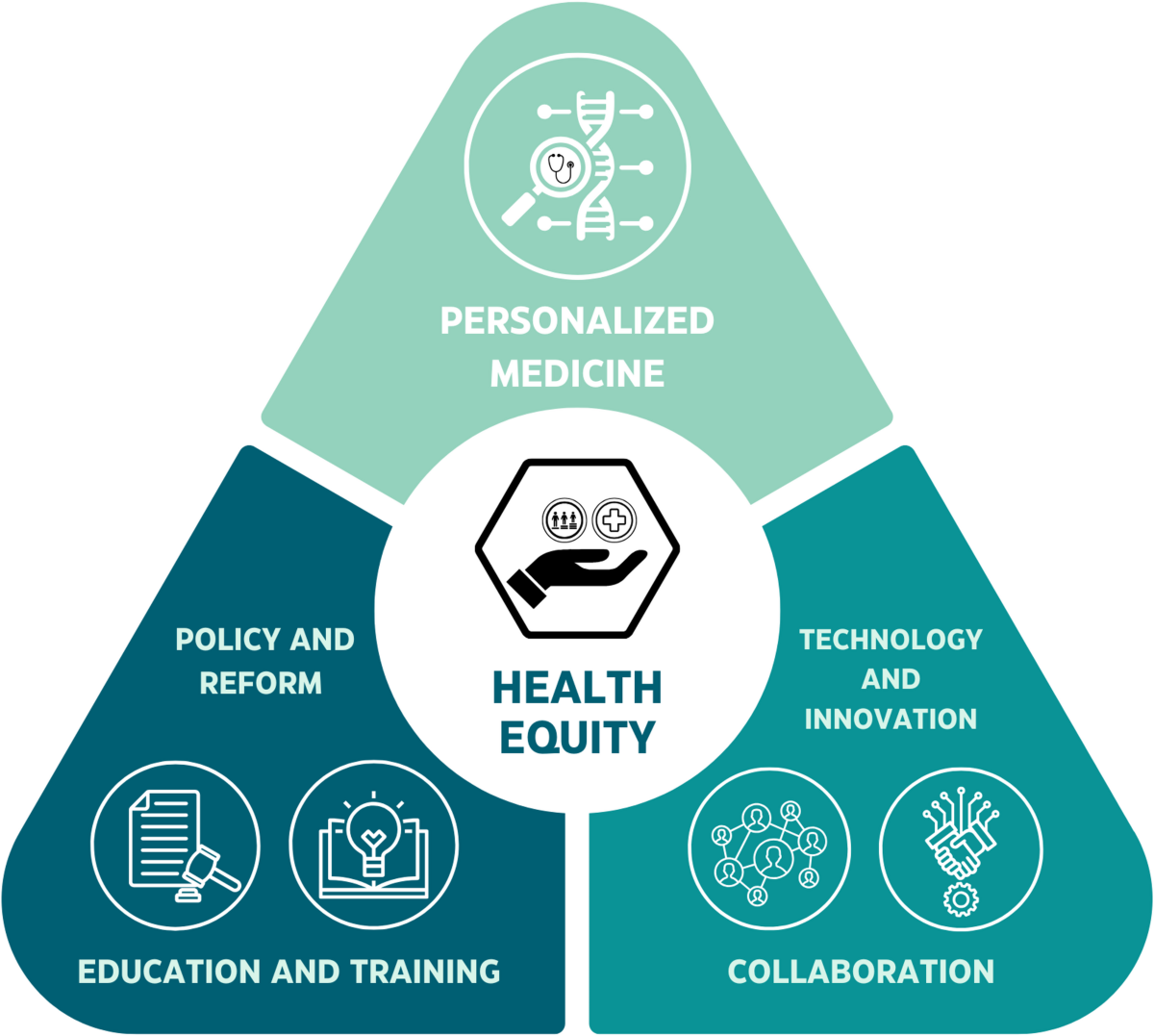
    At its core, the future of health is driven by several key pillars:

    • Personalized Medicine: Moving beyond “one-size-fits-all” treatments to therapies tailored to your unique genetic makeup, lifestyle, and environment. Imagine a prescription based on *your* DNA, not just the general population’s average.
    • Preventative Care & Longevity: The focus is shifting from treating illness after it strikes to preventing it altogether. This includes everything from advanced diagnostics to lifestyle interventions aimed at extending not just lifespan, but “healthspan” – the years you live free from chronic disease.
    • Digital Health & AI: Wearables that track everything from your sleep to your stress levels, AI-powered diagnostics that can spot disease earlier than the human eye, virtual consultations, and remote monitoring. Our phones and smart devices are becoming our first line of defense (or offense, depending on how you look at it) in managing our health.
    • Patient Empowerment: You, dear reader, are increasingly at the center of your health journey. With more data, more tools, and more accessible information, the future puts more agency in your hands, making you an active participant rather than a passive recipient of care.
    • Integrated & Holistic Approaches: While technology shines, there’s also a growing recognition of the interconnectedness of physical, mental, and emotional well-being. The future of health embraces this holistic view, often blending cutting-edge tech with traditional wellness practices.

    Reasons You Need to Master This (Before It Masters You)

    You might be thinking, “This all sounds great, but why do *I* need to ‘master’ it? Can’t I just keep my head down and hope my doctor figures it out?” Well, smart friend, here’s why understanding this shift isn’t just a nice-to-have, but an essential skill set for modern living:

    • Personal Agency: The more you understand, the more control you have over your own health decisions. This isn’t about becoming a doctor; it’s about being an informed client.
    • Better Outcomes: Proactive engagement with the latest tools and knowledge can lead to earlier detection, more effective prevention, and ultimately, a healthier, longer life. Why wait for a problem when you can spot it (or prevent it) before it even starts?
    • Navigating the Noise: The information superhighway is often a misinformation swamp. Understanding the core trends helps you discern genuine advancements from snake oil. As we touched on in 5 Myths About health Debunked, critical thinking is more important than ever.
    • Advocacy for Loved Ones: Your insights won’t just benefit you. You’ll be better equipped to advocate for family and friends, helping them make sense of new treatments, technologies, and options.
    • Economic Impact: Healthcare costs are a beast. Understanding preventative strategies and efficient digital solutions can potentially save you a significant chunk of change down the line.
    • Avoiding the “Digital Divide”: As health becomes more tech-driven, those without the knowledge or access could be left behind. Being informed helps bridge that gap, for yourself and others.

    Step-by-Step Instructions to Navigating the Future of Health

    Okay, so the future of health isn’t just flying cars and robot maids (sadly). It’s happening now, in our clinics, on our wrists, and in our data. The good news? You don’t need a medical degree or a time machine to start engaging with it. Think of this as your survival guide, not for the apocalypse, but for the health evolution.

    Step 1: Become a “Data Literate” Human (Not a Data Scientist)

    Instruction: Your body is generating data constantly, and increasingly, technology is capturing it. From your smartwatch tracking sleep patterns to genetic tests revealing predispositions, understanding what this data means (and doesn’t mean) is crucial. Don’t just collect data; learn to interpret it with a healthy dose of skepticism and curiosity. What’s your resting heart rate telling you? How does your sleep correlate with your energy levels? What are the implications of a specific gene marker, and how much weight should you actually give it?

    Why it matters: This isn’t about becoming a human spreadsheet. It’s about empowering yourself. Digital health strategies, like those outlined by the WHO’s Global Strategy on Digital Health, emphasize using data for better public health outcomes. On a personal level, this means you can ask smarter questions, spot trends, and engage more meaningfully with your healthcare providers. But remember, a data point isn’t a destiny. It’s a clue. And speaking of clues, make sure you know How to Start with health by building a solid foundation of understanding.

    Step 2: Embrace Proactive & Preventative Living

    Instruction: The old model was often “wait until you’re sick, then fix it.” The new model is “prevent sickness, optimize wellness.” This means regular check-ups (yes, even if you feel fine), engaging with preventative screenings (mammograms, colonoscopies, blood tests), and taking lifestyle seriously. Understand that “health” isn’t just the absence of disease; it’s the active pursuit of well-being. This includes nutrition, movement, stress management, and social connection – the fundamentals that technology can support, but never replace.

    Why it matters: Early detection changes everything. AI in healthcare, as explored by institutions like MIT Technology Review, is already revolutionizing diagnostics, from spotting cancerous lesions earlier to predicting disease risk. By being proactive, you’re giving these advanced tools a chance to work their magic *before* problems escalate. It’s like getting an oil change before your engine seizes, but for your body. And if you’re looking for deeper dives into preventative strategies, remember to check out resources that can expand your knowledge, like those available on Audible, which offers a vast library of audiobooks on health, psychology, and self-improvement.

    Step 3: Befriend (But Don’t Blindly Trust) AI & Digital Tools

    Instruction: Your smartwatch isn’t just a fancy clock; it’s a personal health assistant. Apps can guide meditation, track water intake, or even offer CBT exercises. AI is diagnosing conditions from medical images and predicting drug interactions. Don’t shy away from these tools, but approach them with a discerning eye. Research their efficacy, understand their limitations, and always, always consult with a human healthcare professional for critical decisions. Your AI isn’t licensed to practice medicine (yet).

    Why it matters: These tools are only going to become more prevalent and sophisticated. From virtual reality therapy to AI-driven drug discovery, technology is a powerful co-pilot. Learning how to integrate them thoughtfully into your routine – whether it’s using a symptom checker as a guide or leveraging a mental wellness app – gives you an edge. Just remember, the tech is there to *assist* you and your doctor, not replace either of you.

    Step 4: Understand Personalized Medicine (It’s Not Just for Celebrities)

    Instruction: Personalized medicine is moving beyond the lab. Pharmacogenomics (how your genes affect your response to drugs) is becoming a real-world tool, helping doctors prescribe medications that are more effective and have fewer side effects for *you*. Ask your doctor about it, especially if you’ve had issues with medication responses. Consider genetic testing (with professional counseling) to understand your predispositions, but avoid falling into the trap of self-diagnosing or overreacting to raw data. It’s a piece of the puzzle, not the whole picture.

    Why it matters: As institutions like Mayo Clinic explain, pharmacogenomics can significantly improve treatment efficacy and safety. The future of health is increasingly about understanding your unique biological blueprint. This isn’t about creating “designer babies” but about giving your body the most tailored care possible. The more you know about what makes *you* tick, the better your health strategies can be.

    Step 5: Prioritize Mental & Emotional Wellness in a Tech-Driven World

    Instruction: With all the talk about physical health tech, it’s easy to overlook the mental load. The future of health isn’t just about longer lifespans; it’s about better quality of life. Actively seek out digital tools for mental health (meditation apps, online therapy platforms, CBT programs), but also ensure you maintain “analog” connections. Balance screen time with green time. Be aware of the potential for digital fatigue or comparison traps fueled by social media. Your brain needs care just as much as your heart.

    Why it matters: A holistic approach to health acknowledges that mental and physical health are inextricably linked. Stress, anxiety, and depression can have profound physiological impacts. The future offers incredible tools to support mental well-being, but it also presents new challenges. Being intentional about your mental health strategy is paramount. Dive deeper into understanding the psychological aspects of well-being through platforms like Audible, where countless resources on mindfulness, psychology, and stress reduction are just a listen away.

    Step 6: Engage with Ethical Questions & Advocate for Equity

    Instruction: As health tech advances, so do the ethical dilemmas. Who owns your health data? How is AI ensuring fairness across diverse populations? Will these incredible advancements only be available to the wealthy? Don’t just consume the future of health; engage with it critically. Support policies that advocate for data privacy, equitable access to technology, and ethical AI development. Speak up, participate in community discussions, and demand transparency.

    Why it matters: The future of health has the potential to dramatically improve lives, but only if it’s developed and deployed responsibly. A truly advanced health system serves everyone, not just a privileged few. Your voice contributes to shaping a future where innovation doesn’t exacerbate existing inequalities, making fundamental health principles accessible to all, much like the broader goal of understanding what true health means.

    Key Considerations for Success in the Future of Health

    So, you’ve got your compass pointed, but what are the big rocks to watch out for on your journey? Navigating the future of health isn’t just about adopting new tech; it’s about understanding the underlying currents that will shape its impact.

    First off, data privacy and security are not just buzzwords; they’re the bedrock. As more of our intimate health information is digitized, ensuring it’s protected from breaches, misuse, and unauthorized access becomes paramount. Always question how your data is being used and who has access to it. Read those pesky privacy policies (or at least the summaries!).

    Then there’s the monumental challenge of equity and access. Will the personalized, high-tech, preventative future only be available to those with deep pockets or reliable internet access? Or can we build systems that truly democratize these advancements, reaching underserved communities and bridging the digital divide? This is where ethical considerations intersect with practical policy, and it’s a conversation we all need to be part of.

    Finally, we can’t forget the human element. As much as we celebrate AI and automation, empathy, intuition, and the comforting presence of a human caregiver remain irreplaceable. The future of health isn’t about replacing doctors with algorithms; it’s about empowering them with better tools, freeing them to focus on the truly human aspects of care.

    Taking it to the Next Level: Becoming a Health Futurist (of Your Own Life)

    If you’ve tackled the steps above and are still hungry for more, you’re ready to elevate your game. This isn’t about hoarding obscure health gadgets, but about deeply integrating these principles into your life and becoming an active participant in shaping the health landscape.

    • Continuous Learning: The future isn’t static. Dedicate time to staying informed. Subscribe to reputable science and health journals (online, of course), follow thought leaders in digital health, and listen to podcasts. This is where tools like Audible can be your secret weapon, allowing you to consume knowledge on everything from longevity science to the philosophy of well-being during your commute or workout.
    • Participate in Research (Where Appropriate): Consider joining clinical trials for conditions that affect you or your family, or contributing to biobanks if you’re comfortable. Your data, thoughtfully and ethically collected, can advance scientific understanding for everyone.
    • Advocate & Engage: Join patient advocacy groups, participate in discussions about health policy, or even simply share your informed perspectives with friends and family. The collective wisdom of informed individuals can steer the ship.
    • Holistic Integration: Beyond the tech, truly take the future of health to heart by deeply integrating physical, mental, emotional, and social well-being into your daily fabric. Think of technology as an enhancer, not a replacement, for the core human needs that drive health.

    Alternative Methods & Complementary Approaches

    While the spotlight is often on cutting-edge technology, it’s crucial to remember that the future of health also includes a re-appreciation of time-tested, complementary approaches. “Alternative” doesn’t always mean “unproven,” just often less conventional in Western medicine.

    • Mind-Body Practices: Techniques like yoga, meditation, tai chi, and breathwork are gaining mainstream scientific backing for their profound impact on stress reduction, mental clarity, and even physical health markers. They’re not just “woo-woo” anymore; they’re evidence-based tools for resilience.
    • Nutritional Therapy: While personalized nutrition is often seen through a genomic lens, traditional approaches focusing on whole foods, gut health, and specific dietary patterns (like Mediterranean or plant-based diets) remain incredibly powerful. The future isn’t just about supplements; it’s about foundational food choices.
    • Naturopathy & Functional Medicine: These approaches seek to identify and address the root causes of disease, often using a blend of conventional and natural therapies. They embody the personalized and preventative ethos of the future, even if their methods predate the latest tech.
    • Traditional Medicine Systems: Practices like Traditional Chinese Medicine (TCM) and Ayurveda, with thousands of years of observation behind them, offer valuable insights into holistic well-being and individualized care that can complement modern medical interventions.

    The smartest approach to the future of health is not to pick a side, but to integrate the best of all worlds – leveraging cutting-edge technology and data while honoring the wisdom of ancient practices and the irreplaceable power of human connection and foundational self-care. It’s about building a robust, resilient health strategy that works for *you*.

    Wrapping Up: Your Health, Elevated and Empowered

    Phew! We’ve covered a lot of ground, haven’t we? From nanobots (or the lack thereof) to personalized prescriptions, and from data privacy to the importance of a good yoga pose. My own journey into understanding the future of health has been less about finding a magic bullet and more about realizing that the power lies in informed, proactive engagement. It’s not about being overwhelmed by every new gadget or theory, but about developing a discerning eye and a practical framework for incorporating what truly matters into your life.

    The future of health isn’t some far-off, inaccessible utopia. It’s unfolding right now, in your pocket, on your plate, and in the conversations you have with your healthcare providers. By becoming data-literate, embracing preventative thinking, cautiously befriending technology, understanding personalization, prioritizing your mental game, and advocating for an equitable system, you’re not just passively waiting for the future – you’re actively shaping a healthier one for yourself and for those around you.

    So, take a deep breath. The future isn’t a scary, sterile, robot-filled clinic. It’s an opportunity to take greater ownership of your well-being, to live more vibrantly, and to navigate the complexities with confidence. And if you still find yourself craving a nutrient bath, just remember to add some Epsom salts for good measure. You’ve earned it.


  • Unlock Your Peak: 7 Proven Advanced Health Strategies for Optimal Well-being

    advanced health strategies - featured banner

    The Mission Objective

    Confession time: I used to think “advanced health” meant surviving on kale smoothies, running marathons I hated, and maybe, just maybe, dabbling in a few questionable detoxes. Turns out, I was mostly wrong (and considerably less cheerful) about what truly constitutes effective **advanced health strategies**.

    If you’re anything like I was—tired of the generic health advice that feels like a broken record and ready to ditch the wellness fads for something truly impactful—then this is for you. We’re about to dive deep into **Advanced Health Strategies**, moving beyond the “eat your veggies and go for a walk” mantra to uncover personalized, data-driven approaches that genuinely elevate your well-being, performance, and longevity. No corporate jargon, just a straight-talking guide to becoming the optimized human you know you can be.

    Think of **Advanced Health Strategies** as moving from a black-and-white TV to a cinematic IMAX experience. It’s not just about avoiding sickness; it’s about actively pursuing optimal function, resilience, and vitality. We’re talking about a holistic, personalized, and proactive approach that uses science, data, and a deep understanding of your unique biology to unlock your peak potential. It’s the difference between merely existing and truly thriving.

    This isn’t just for elite athletes or biohackers (though they certainly play in this sandbox). It’s for anyone who feels there’s more to health than what they’re currently experiencing—who wants to boost their cognitive function, improve their energy levels, enhance their physical performance, extend their healthy lifespan, or simply feel more vibrant and less “meh” day-to-day. If you’re ready to move beyond the basics and truly optimize your well-being, you’ll find our main guide to holistic health a fantastic foundational resource, from which we build here.

    Reasons You Need to Master These Advanced Health Strategies

    advanced health strategies - Reasons You Need to Master This

    • Beyond Longevity, Towards Healthspan: It’s not just about living longer, but about living better for longer. Advanced strategies focus on maintaining cognitive and physical function deep into your years.
    • Personalized Precision: Ditch the one-size-fits-all advice. Advanced health strategies tailor approaches to *your* genetic makeup, lifestyle, and specific goals, making them infinitely more effective.
    • Unlocking Cognitive Superpowers: Imagine sharper focus, improved memory, and enhanced creativity. Optimizing your brain health through advanced techniques isn’t science fiction, it’s today’s reality.
    • Bulletproofing Your Resilience: From managing stress to bolstering your immune system, these strategies build a robust inner fortress against the demands of modern life.
    • Performance on Demand: Whether it’s excelling at work, dominating your sport, or simply having more energy for your hobbies, advanced health boosts your capacity across the board.
    • Future-Proofing Your Body: By understanding and influencing epigenetic factors and cellular health, you can actively steer your body towards a healthier future.

    Step-by-Step Instructions to Implement Advanced Health Strategies

    Alright, so you’re convinced. Now, how do we actually *do* this without turning into a mad scientist or spending our life savings on obscure gadgets? The trick is a methodical, informed approach. Here’s a roadmap to integrate **Advanced Health Strategies** into your life, starting with understanding yourself better.

    Step 1: Your Personal Blueprint – Data-Driven Self-Assessment

    advanced health strategies - Step 1: Your Personal Blueprint – Data-Driven Self-Assessment

    Before you tweak anything, you need to know where you stand. This is where personalized data comes in. Forget guesswork; we’re using real numbers to inform your **Advanced Health Strategies**.

    • Advanced Blood Panels: Go beyond standard cholesterol and glucose. Look at inflammatory markers (hs-CRP), nutrient deficiencies (Vitamin D, B12, Magnesium), hormone levels (testosterone, thyroid, cortisol), and metabolic health markers (fasting insulin, HOMA-IR). Talk to a functional medicine doctor or a health-focused practitioner who can order and interpret these.
    • Genetic Testing: While not a crystal ball, genetic tests can offer insights into predispositions for certain nutrient needs, detoxification pathways, or exercise responses. Services like 23andMe (raw data analysis with third-party tools) or more specialized health-focused genetic tests can be a starting point. Remember, genetics are predispositions, not destiny.
    • Gut Microbiome Mapping: Your gut is often called your “second brain” for good reason. Stool tests can reveal the diversity and balance of your gut bacteria, highlighting potential imbalances linked to digestion, mood, and immune function. There are several reputable labs offering this service.
    • Wearable Tech for Baselines: Continuous Glucose Monitors (CGMs), Oura Rings, Whoop straps, or Apple Watches can provide invaluable real-time data on sleep quality, heart rate variability (HRV), activity levels, and stress responses. Establish a baseline to track changes.

    Internal Link Tip: If you’re still getting your bearings, our guide on how to start with health offers a great foundation before diving into this level of detail.

    Step 2: Precision Nutrition – Fueling Your Unique System

    advanced health strategies - Step 2: Precision Nutrition – Fueling Your Unique System

    This goes way beyond counting calories or macros. It’s about optimizing what you eat, when you eat, and how it impacts your unique physiology, a core component of **Advanced Health Strategies**.

    • Micronutrient Optimization: Based on your blood panel, target specific deficiencies. Supplement intelligently, but prioritize nutrient-dense whole foods. Think about food quality: organic, grass-fed, wild-caught.
    • Chrononutrition & Circadian Alignment: Your body expects food at certain times. Eating in sync with your circadian rhythm can improve metabolism, digestion, and sleep. This often means front-loading calories earlier in the day and having an earlier dinner. Research suggests that disrupting circadian rhythms can negatively impact metabolic health.
    • Gut-Specific Diet: Armed with your microbiome map, tailor your diet to foster beneficial bacteria. This might involve diverse fiber sources, fermented foods, prebiotics, and specific probiotic strains (if recommended by a professional).
    • Personalized Hydration & Electrolytes: Water isn’t just water. Consider filtered water, and re-mineralize it with electrolytes, especially if you’re active or consuming a low-carb diet. Your specific needs might vary based on climate and activity.

    Step 3: Intelligent Movement – Beyond Just “Working Out”

    advanced health strategies - Step 3: Intelligent Movement – Beyond Just “Working Out”

    Exercise isn’t just about burning calories; it’s a powerful signal to your body for adaptation and growth. **Advanced Health Strategies** optimize movement for specific physiological benefits.

    • Zone 2 Cardio: This is steady-state cardio where you can comfortably hold a conversation, typically 60-70% of your maximum heart rate. It’s fantastic for mitochondrial health, improving fat utilization, and boosting overall endurance without excessive stress. Aim for 3-4 sessions of 30-45 minutes per week.
    • Strength Training Periodization: Don’t just lift heavy all the time. Vary your intensity, volume, and exercise selection over periods (weeks/months) to elicit different adaptations (hypertrophy, strength, endurance) and prevent plateaus or injury. Focus on compound movements.
    • Movement Variability & Mobility: Incorporate diverse movements beyond typical gym exercises. Think yoga, Pilates, natural movement (walking, climbing, carrying), and dedicated mobility work to maintain joint health and range of motion.
    • Active Recovery: Light movement, stretching, foam rolling, and mobility drills on rest days aid blood flow and recovery, preparing you for your next training session.

    Step 4: Master Your Sleep & Recovery – The Ultimate Performance Enhancer

    advanced health strategies - Step 4: Master Your Sleep & Recovery – The Ultimate Performance Enhancer

    Sleep isn’t downtime; it’s prime time for repair, hormone regulation, and memory consolidation. Advanced recovery integrates targeted strategies to optimize this crucial phase, making it vital for **Advanced Health Strategies**.

    • Sleep Architecture Optimization: Aim for consistent sleep/wake times, even on weekends. Prioritize a cool, dark, quiet bedroom. Limit blue light exposure in the evenings. Track your sleep stages (REM, deep sleep) with wearables to identify areas for improvement.
    • Strategic Napping: A 20-30 minute “power nap” can boost alertness and cognitive function without causing grogginess later.
    • Stress Mitigation & Mindfulness: Chronic stress is a silent killer. Implement daily practices like meditation, breathwork (e.g., box breathing, physiological sigh), or spending time in nature to downregulate your nervous system. Even just 10-15 minutes can make a profound difference. For deeper insights and learning, consider exploring resources on Audible, where you can find countless books on psychology, philosophy, and productivity to support your self-improvement journey.
    • Thermal Therapies:
      • Cold Exposure: Cold showers or ice baths can enhance mood, boost metabolism, reduce inflammation, and improve resilience. Start with short, tolerable bursts.
      • Heat Exposure: Sauna use can improve cardiovascular health, detoxification, and promote relaxation.

    Step 5: Cognitive & Mental Fortitude – Training Your Brain for Peak Performance

    advanced health strategies - Step 5: Cognitive & Mental Fortitude – Training Your Brain for Peak Performance

    **Advanced Health Strategies** aren’t complete without a focus on the most complex organ: your brain. This means nurturing mental clarity, emotional regulation, and cognitive resilience.

    • Neurotransmitter Support: Based on insights from your data, consider targeted nutritional support or supplements (under guidance) for neurotransmitters like serotonin, dopamine, and GABA, which impact mood, focus, and sleep.
    • Cognitive Training: Engage in mentally stimulating activities like learning a new language or skill, playing strategic games, or reading challenging books to keep your brain agile.
    • Emotional Intelligence & Resilience: Work on understanding and managing your emotions. This involves self-awareness, empathy, and developing coping mechanisms for life’s inevitable stressors. Journaling, therapy, or coaching can be invaluable here.
    • Mind-Body Connection: Practices like Qi Gong, Tai Chi, or advanced yoga integrate movement, breath, and focus to create a harmonious state between mind and body, enhancing internal energy flow and reducing tension.

    Step 6: Environmental Optimization – Your Health Ecosystem

    advanced health strategies - Step 6: Environmental Optimization – Your Health Ecosystem

    We often overlook how much our surroundings impact our health. Optimizing your environment is a crucial, yet often ignored, facet of **Advanced Health Strategies**.

    • Light Hygiene: Beyond just avoiding blue light at night, this means maximizing natural light exposure during the day (especially morning sunlight) to properly set your circadian rhythm. Conversely, minimize artificial light at night.
    • Air Quality: Use air purifiers, open windows frequently, and incorporate indoor plants to reduce indoor pollutants. Consider testing for mold or radon if you suspect issues.
    • Water Quality: Invest in high-quality water filters for drinking and showering to reduce exposure to chlorine, heavy metals, and other contaminants.
    • EMF Mitigation: While controversial, some people find benefits from reducing exposure to electromagnetic fields (EMFs) by turning off Wi-Fi at night, using wired connections, or increasing distance from devices. This area still requires more definitive scientific consensus, but it’s an advanced consideration.

    Key Considerations for Success with Advanced Health Strategies

    Embarking on an **Advanced Health Strategies** journey isn’t a sprint; it’s a marathon with complex terrain. Here are a few things to keep in mind to ensure you don’t trip over your own feet (like I occasionally do, despite my best intentions).

    First and foremost, **consistency is king.** Even the most cutting-edge strategy won’t work if it’s applied sporadically. It’s better to implement a few things consistently than to try everything at once and burn out.

    Secondly, **listen to your body.** Data is fantastic, but your subjective experience matters immensely. If something feels off, investigate.

    Thirdly, **find your tribe.** Surround yourself with people who support your goals, whether it’s a coach, a community, or just a like-minded friend. And speaking of pitfalls, it’s always wise to review common mistakes people make in health – saving you a headache and ensuring your efforts are well-placed.

    Taking Your Health to the Next Level with Advanced Health Strategies

    advanced health strategies - Taking it to the Next Level with Advanced Health

    Once you’ve got the foundational **Advanced Health Strategies** humming along, there are always more layers to peel back. This is where things get truly exciting and highly personalized:

    • Biofeedback & Neurofeedback: Learn to consciously control physiological responses like heart rate, brainwaves, or skin temperature to optimize performance and reduce stress.
    • Hormesis: The principle that “what doesn’t kill you makes you stronger.” This involves controlled exposure to mild stressors (like cold exposure, intermittent fasting, specific exercise types, or even certain plant compounds like sulforaphane) to stimulate beneficial adaptive responses in the body.
    • Personalized Supplement Stacks & Nootropics: Based on exhaustive data and professional guidance, crafting a highly specific supplement regimen to target unique deficiencies or enhance specific functions (e.g., cognitive enhancement). This requires careful research and often a trial-and-error approach under expert supervision.
    • Emerging Technologies: Stay informed about advancements in precision medicine, AI-driven health coaching, advanced diagnostics, and potential longevity therapeutics. This field is constantly evolving.

    Alternative Methods and Philosophies for Advanced Health Strategies

    advanced health strategies - Alternative Methods and Philosophies

    While this guide focuses on a scientific, data-driven approach to **Advanced Health Strategies**, it’s worth acknowledging other powerful philosophies that contribute to holistic well-being. Many traditional health systems, such as Traditional Chinese Medicine (TCM) or Ayurveda, offer deep insights into balance, energy flow, and personalized approaches that predate modern science. While their frameworks differ, their emphasis on the interconnectedness of mind, body, and spirit often aligns with the holistic goals of advanced health. Exploring these can sometimes offer complementary perspectives, especially regarding stress management, diet, and lifestyle, provided they are approached with an open mind and a critical eye, ideally alongside conventional medical advice.

    Wrapping Up: Your Journey to Mastering Advanced Health Strategies

    So, there you have it. The world of **Advanced Health Strategies** is vast, exciting, and, frankly, a bit overwhelming if you try to tackle it all at once. I’ve certainly had my share of experimenting with gadgets that promised eternal youth (spoiler: they didn’t) and diets that left me questioning my life choices (kale smoothies, I’m looking at you).

    The key isn’t perfection; it’s consistent, informed action and a willingness to learn and adapt. It’s about empowering yourself with knowledge and data, then applying it smartly to create a life where you’re not just healthy, but truly optimized.

    Remember, this isn’t about chasing fleeting trends. It’s about building a robust, resilient, and vibrant you for the long haul. Start small, gather data, iterate, and most importantly, enjoy the process of becoming the most advanced version of yourself. Your body and mind will thank you for it.

  • Mastering Advanced Health Optimization Protocols: Your Ultimate Data-Driven Guide to Peak Performance

    Decoding Advanced Health Optimization Protocols

    Welcome to the frontier of human performance. Implementing Advanced Health Optimization Protocols is no longer just for elite athletes; it is a baseline necessity for maximizing your physical and cognitive output.

    This guide translates raw physiological data into an actionable, daily system. You will learn to leverage personalized biomarker testing to build a protocol tailored exactly to your unique biology.

    The era of guessing about your body’s baseline needs is officially over. Today, effective longevity and biohacking strategies rely on continuous data streams rather than generic, one-size-fits-all advice.

    By utilizing modern wearable health tracking devices, you can monitor your system’s real-time feedback with clinical precision. This data allows you to make rapid micro-adjustments to your sleep architecture, nutritional intake, and recovery routines.

    Instead of relying on outdated annual checkups, high-performers now focus on dynamic indicators of stress and resilience. Techniques like heart rate variability (HRV) training give you a direct, measurable window into your autonomic nervous system.

    Mastering Advanced Health Optimization Protocols

    Mastering Advanced Health Optimization Protocols

    In this comprehensive guide, we will deconstruct the exact frameworks required to upgrade your biological hardware. We will explore deep metabolic health optimization to ensure your cellular engine runs efficiently without midday crashes.

    To manage and condense the vast array of clinical frameworks and performance literature required for this level of mastery, using an AI knowledge-management tool like Recall AI allows you to summarize and link complex medical concepts effortlessly. If you prefer to consume these foundational performance strategies during training or transit, listening to deep-dive biohacking audiobooks on Audible serves as an excellent accelerator for your self-improvement journey.

    You will discover how to synthesize metrics from various clinical and wearable sources into a cohesive action plan. Prepare to eliminate the guesswork and rewrite your human performance metrics from the ground up.

    Tracking Advanced Health Optimization Protocols With Wearables

    Tracking Advanced Health Optimization Protocols With Wearables

    TL;DR: Effectively measuring your advanced health optimization protocols requires syncing wearable health tracking devices with daily subjective feedback. By monitoring key metrics like sleep architecture and recovery scores, you can objectively validate if your interventions are actually working.

    Dynamic HRV tracking via consumer wearables, AI generated

    The core concept behind quantifying your physiology is moving from guesswork to precision. When you implement new health interventions, devices like Oura or Whoop act as your personal dashboard. They translate invisible physiological stress into actionable, real-time data metrics.

    Practical applications begin with establishing a baseline before introducing new longevity and biohacking strategies. For example, if you introduce heart rate variability (HRV) training into your routine, your wearable should reflect an upward trend in your morning readiness scores over a four-week period. You can cross-reference this wearable data with personalized biomarker testing to ensure your internal chemistry matches your external metrics.

    Overcoming Misconceptions in Advanced Health Optimization Protocols

    Overcoming Misconceptions in Advanced Health Optimization Protocols

    A critical misconception is that more data automatically equals better health. In reality, obsessing over minor daily fluctuations can increase cortisol, actively sabotaging your metabolic health optimization efforts. The goal is to look at macroscopic trends—like referencing clinical sleep studies available on platforms like PubMed—rather than panicking over a single night of poor recovery data.

    Just as compounding small, automatic investments in an app like Acorns builds long-term wealth without the stress of timing the market daily, tracking your biology requires looking at the macro trends that compound into sustainable longevity.

    The Data Integration Protocol: Focus exclusively on 7-day and 30-day rolling averages to assess true physiological adaptation. Use your wearable as a dynamic compass, not a strict judge, to guide your long-term performance trajectory.

    Protocol TL;DR: You cannot optimize what you do not measure. Establishing baseline blood chemistry is the mandatory first step before deploying any advanced interventions, supplementation, or performance technologies.

    Biomarkers for Advanced Health Optimization Protocols

    Biomarkers for Advanced Health Optimization Protocols

    To successfully execute advanced health optimization protocols, you must first map your internal terrain with clinical precision. Blindly supplementing is an outdated approach in the modern era of data-driven health optimization. Instead, true systemic performance requires a comprehensive look at your cellular function through targeted blood work.

    Comprehensive biomarker analysis, AI generated

    Understanding this core concept means shifting away from generic annual physicals and leaning heavily into personalized biomarker testing. This foundational data dictates exactly which advanced biohacking techniques your system actually requires to thrive. When seamlessly integrated with continuous data from wearable health tracking devices, comprehensive blood panels provide the ultimate biological feedback loop.

    Practical Applications in Advanced Health Optimization Protocols

    Practical Applications in Advanced Health Optimization Protocols

    In practice, building a personalized health optimization plan demands specific panels testing comprehensive lipid profiles, inflammatory markers like hs-CRP, and fasting insulin. These specific clinical metrics are non-negotiable for true metabolic health optimization and sustained cognitive endurance. Monitoring these numbers allows you to adjust dietary and clinical interventions in real-time, relying on empirical data rather than intuition.

    A dangerous misconception is that longevity and biohacking strategies rely exclusively on external recovery tech. While modalities like cold exposure or heart rate variability (HRV) training are highly effective, their physiological impact remains invisible without baseline blood chemistry. True systemic enhancement only occurs when your external habits align perfectly with your internal cellular data, following verified preventative data from organizations like the American Heart Association.

    Decoding Advanced Health Optimization Protocols

    Decoding Advanced Health Optimization Protocols

    TL;DR: Standard wellness guesses; data-driven optimization measures. By leveraging real-time metrics and personalized biomarker testing, you can engineer exact, repeatable upgrades to your physical performance.

    Advanced Action Protocols: The Three Core Pillars

    Advanced Action Protocols: The Three Core Pillars

    To bridge the gap between static lab numbers and dynamic daily output, your protocol must be structured into three highly targeted operational frameworks.

    Pillar 1: Mitochondrial and Glycemic Efficiency

    Metabolic health optimization dictates how efficiently your cells convert nutrients into adenosine triphosphate (ATP), the primary energy currency of the body. Chronic blood sugar fluctuations cause oxidative stress that damages your cellular machinery.

    • The Protocol: Deploy a Continuous Glucose Monitor (CGM) to track glycemic variability over a standard 14-day cycle, as outlined by metabolic guidelines from the American Diabetes Association.

    • The Action Blueprint: Ensure your fasting glucose remains consistently between 75-85 mg/dL. If a lifestyle input or nutritional variable causes a spike exceeding 130 mg/dL, mitigate the damage by matching that specific input with an immediate 15-minute zone 2 cardio session to drive glucose clearance via insulin-independent pathways.

    Pillar 2: Autonomic Nervous System Calibration

    Your autonomic nervous system is divided into sympathetic (fight-or-flight) and parasympathetic (rest-and-digest) branches. High-performance demands the ability to switch between these states with extreme fluidity.

    • The Protocol: Evaluate the root-mean-square of successive differences (RMSSD) via your wearable device to determine your baseline HRV during slow-wave sleep.

    • The Action Blueprint: On mornings where your HRV drops more than 15% below your rolling 30-day average, pivot your daily schedule. Substitute intense neural-load training with active recovery, and execute two blocks of 5-minute resonance frequency breathing (6 breaths per minute) to stimulate the vagus nerve and restore parasympathetic tone.

    Pillar 3: Inflammatory and Cardiovascular Architecture

    Chronic systemic inflammation degrades vascular health, suppresses testosterone-to-cortisol ratios, and accelerates cellular senescence (aging).

    • The Protocol: Conduct an advanced longevity blood panel twice per year, focusing on Apolipoprotein B (ApoB) and high-sensitivity C-reactive protein (hs-CRP), referencing analytical standards from institutions like the Life Extension Foundation.

    • The Action Blueprint: Maintain hs-CRP below 0.5 mg/L. If your panel indicates a value greater than 1.0 mg/L, initiate an aggressive systemic downregulation protocol: eliminate processed polyunsaturated fatty acids, increase clean marine-based Omega-3 fatty acid intake to 3-4 grams daily, and protect your deep sleep windows ruthlessly to allow for natural cellular repair.

    [Biomarker Panel Baseline] ➔ [Wearable Trend Analysis] ➔ [Micro-Protocol Adaptation] ➔ [Cellular Optimization]
    

    Conclusion: Continuous Closed-Loop Engineering

    Conclusion: Continuous Closed-Loop Engineering

    Advanced health optimization protocols are not a series of disconnected biohacking trends; they form a closed-loop engineering system. When you calibrate your sleep architecture based on raw wearable data, your autonomic nervous system balances itself. When your nervous system balances, systemic inflammation drops, and your cellular engines operate at maximum capacity.

    Stop viewing your physical health as an unpredictable, fluctuating variable. Treat your physiology like the high-performance machine it is. Establish your baselines, track your data streams, adjust your protocols with absolute precision, and take full command of your biological infrastructure.