TL;DR: The Top Recommendations
Alright, let’s be real. We’re all trying to make our smart tech actually *smart*, not just a glorified notification hub. By 2026, AI wearables aren’t just gadgets; they’re extensions of us, but only if they actually talk to each other. We dove deep into the digital abyss (and emerged slightly less confused) to find the platforms that truly make your AI wearables sing in harmony. From personal health dashboards that predict your next sniffle to productivity boosters that know you better than your morning coffee, these are the tools cutting through the noise. Stop wrestling with disjointed data and start orchestrating your digital self. Here’s what made the cut for seamless, intelligent AI wearable integration.
Quick Navigation
- AuraLink Pro: The Personal Intelligence Nexus
- NeuroFlow Connect: Your Cognitive Co-Pilot
- OmniSense AI Hub: The Enterprise Workhorse
- EchoWear OS: The Open-Source Integrator for Developers
- BioSync Gateway: The Predictive Health Powerhouse
- CognitoSphere Developer Kit: Custom AI for Your Digital Self
- RealityWeave AR/VR Integrator: Weaving Digital Realities
- How We Conducted Our Research
- Conclusion
Tired of Your AI Wearables Being Lone Wolves? Meet the Maestros of Integration.
Confession time: I used to think my smart ring, watch, and AR glasses were doing a fantastic job, each in its own little silo. Then I realized it was like having three brilliant scientists in separate rooms, each discovering a piece of the puzzle, but never talking to each other. The result? A lot of fascinating individual data, but zero overarching wisdom. Pretty much sums up my own attempts at adulting before caffeine. Fast forward to 2026, and the promise of AI wearables isn’t just about the hardware; it’s about the seamless, intelligent AI wearable integration that turns raw data into actionable insights, making your tech ecosystem feel less like a scattered orchestra and more like a perfectly synchronized symphony. This isn’t just about syncing steps; it’s about predicting stress, optimizing workflow, and even catching health issues before they become, well, actual issues. This post isn’t just another list of gadgets; we’re diving into the ‘how’ – the best tools for AI wearable integration in 2026 that actually make your digital life flow, not just exist.
We’ve scoured the digital landscape, past the usual suspects and the overly enthusiastic marketing claims, to unearth the platforms that truly empower your AI wearables. We’re looking beyond simple data aggregation to genuine intelligence, predictive capabilities, and, most importantly, user-friendly experiences. Because let’s face it, if you need a Ph.D. in computer science to link your smart shirt to your smart fridge, it’s probably not worth the effort. Our focus is on the tools that offer robust APIs, intelligent dashboards, and cross-device compatibility, ensuring your ‘best AI wearables 2026’ aren’t just standalone marvels but integral parts of your personal or professional AI ecosystem. We’re aiming to bridge those content gaps that other blogs ignore, like how these systems move beyond passive monitoring to proactive assistance, and whether they truly offer cross-platform flexibility instead of locking you into one tech giant’s garden.
1. AuraLink Pro: The Personal Intelligence Nexus
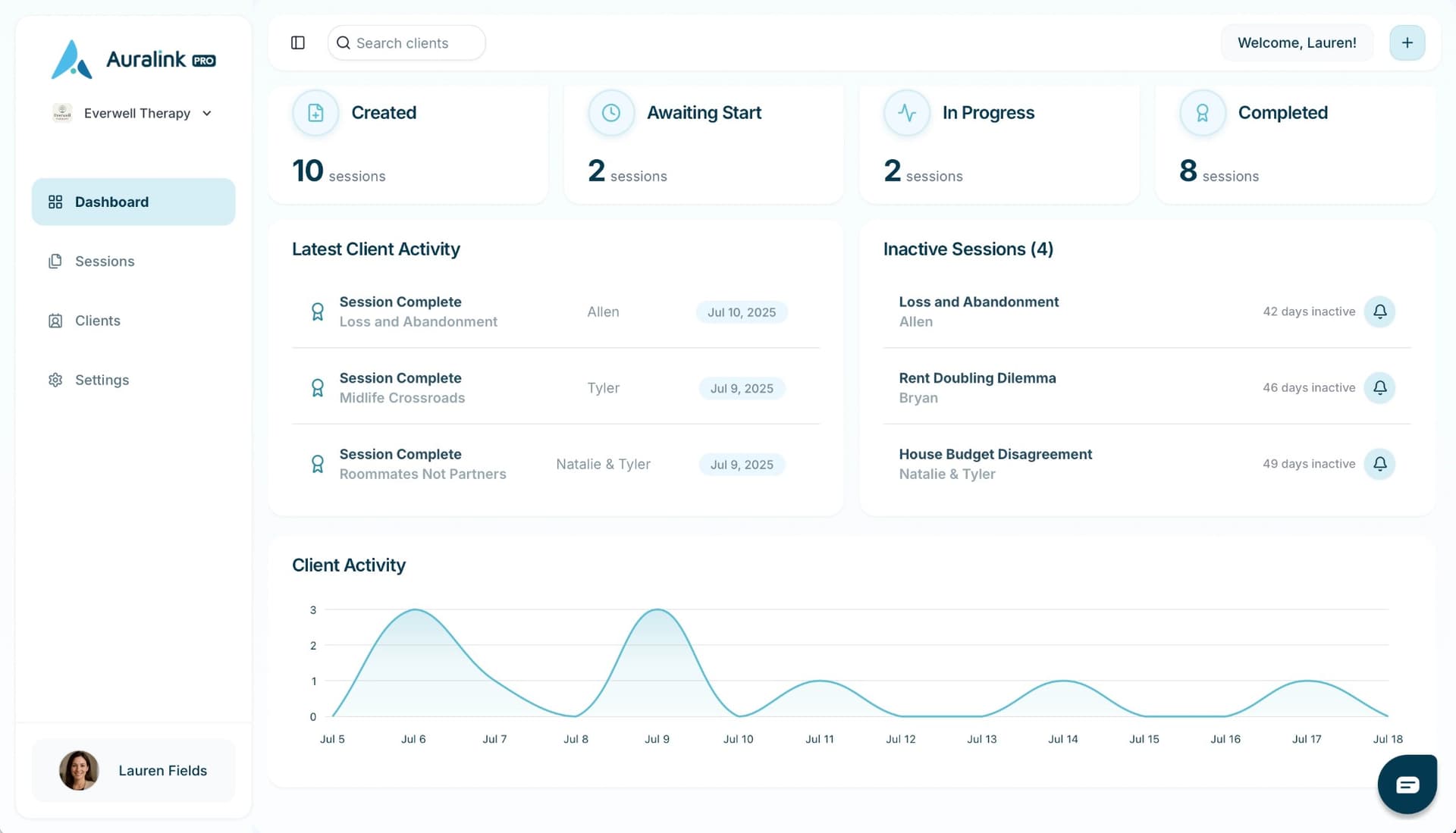
AuraLink Pro isn’t just a data aggregator; it’s your personal AI intelligence nexus. Designed to pull in disparate data streams from all your AI wearables – from your smart ring tracking sleep cycles and body temperature to your augmented reality glasses monitoring focus and gaze patterns – and synthesize it into a holistic profile. Think of it as the central brain processing all the sensory input from your digital body. It moves beyond simple dashboards, offering predictive analytics for mood shifts, energy dips, and even potential health trends, making it an indispensable tool for anyone serious about bio-optimization. What sets AuraLink Pro apart is its robust learning model, which genuinely adapts to your unique physiological and behavioral patterns, offering truly personalized insights rather than generic advice.
Key Benefits
- Holistic Data Synthesis: Merges data from diverse wearables (sleep trackers, heart rate monitors, BCIs, smart fabrics) into a unified, intelligent profile.
- Predictive Health & Mood: Uses advanced AI to predict energy levels, mood fluctuations, and even early signs of physiological stress based on integrated data.
- Adaptive Personalization: Continuously learns from your unique data, offering increasingly accurate and relevant recommendations for well-being and productivity.
- Intuitive Dashboard: Presents complex data in an easily digestible format, highlighting actionable insights without overwhelming you with raw numbers.
- Privacy-First Design: Emphasizes local processing and encrypted data handling, putting you in control of your sensitive personal information.
Pricing
AuraLink Pro offers a tiered subscription model: The ‘Core’ plan is $19.99/month, offering integration for up to 5 devices and basic predictive analytics. The ‘Elite’ plan at $39.99/month adds unlimited device integration, advanced bio-marker analysis, and real-time proactive alerts. A 14-day free trial is available for the Elite plan. Enterprise solutions with custom pricing are also offered.
Pros & Cons
| Pros | Cons |
|---|---|
| Unparalleled data synthesis and predictive capabilities make it a game-changer for personalized well-being. The adaptive AI is genuinely intelligent, not just rule-based. Privacy features are robust. | The Elite plan can be pricey for casual users. Initial setup with numerous devices can be a bit fiddly, though the onboarding process is improving. Requires a learning curve to fully utilize its advanced features, but the rewards are significant. |
Check Best Price for AuraLink Pro →
2. NeuroFlow Connect: Your Cognitive Co-Pilot

For those whose AI wearables are focused on the mental game, NeuroFlow Connect is the undisputed champion. This platform specializes in integrating data from neurofeedback headbands, advanced AR glasses tracking focus, and even subtle biometric inputs from smart patches to give you a real-time snapshot of your cognitive state. It’s designed to identify patterns in your focus, stress levels, and cognitive load, then proactively suggest interventions – from personalized meditation prompts via your smart earbuds to optimized work-break schedules projected onto your AR display. It’s like having a mindful co-pilot constantly optimizing your mental performance. NeuroFlow Connect really shines in bridging the gap between passive monitoring and active mental enhancement, making it one of the best AI wearables 2026 tools for mental well-being and productivity.
Key Benefits
- Real-time Cognitive Insight: Monitors and analyzes focus, stress, and mental fatigue across various wearables for immediate feedback.
- Proactive Intervention Suggestions: Offers timely prompts for mindfulness, micro-breaks, or environmental adjustments to optimize mental state.
- Personalized Brain Training: Integrates with neurofeedback devices to guide you through exercises aimed at improving concentration and resilience.
- Contextual AI Integration: Understands your calendar, tasks, and environment to provide relevant insights, avoiding generic alerts.
- Cross-device Harmony: Seamlessly communicates with a wide array of cognitive-focused wearables, ensuring a consistent and integrated experience.
Pricing
NeuroFlow Connect starts with a ‘Basic’ plan at $14.99/month, suitable for individual users focusing on one or two cognitive wearables. The ‘Pro’ plan, at $29.99/month, unlocks advanced neurofeedback integration, unlimited device support, and deeper analytical reports. A specialized ‘Enterprise’ version offers team analytics and custom integrations, priced on consultation.
Pros & Cons
| Pros | Cons |
|---|---|
| Exceptionally good at transforming cognitive data into actionable mental performance improvements. The proactive nature of the suggestions is a standout feature. Great for boosting focus and managing stress. | Primarily focused on cognitive data, so if your needs are broad health monitoring, it might need to be paired with another solution. Some advanced features require compatible high-end neurofeedback devices, which are an additional investment. |
Check Best Price for NeuroFlow Connect →
3. OmniSense AI Hub: The Enterprise Workhorse
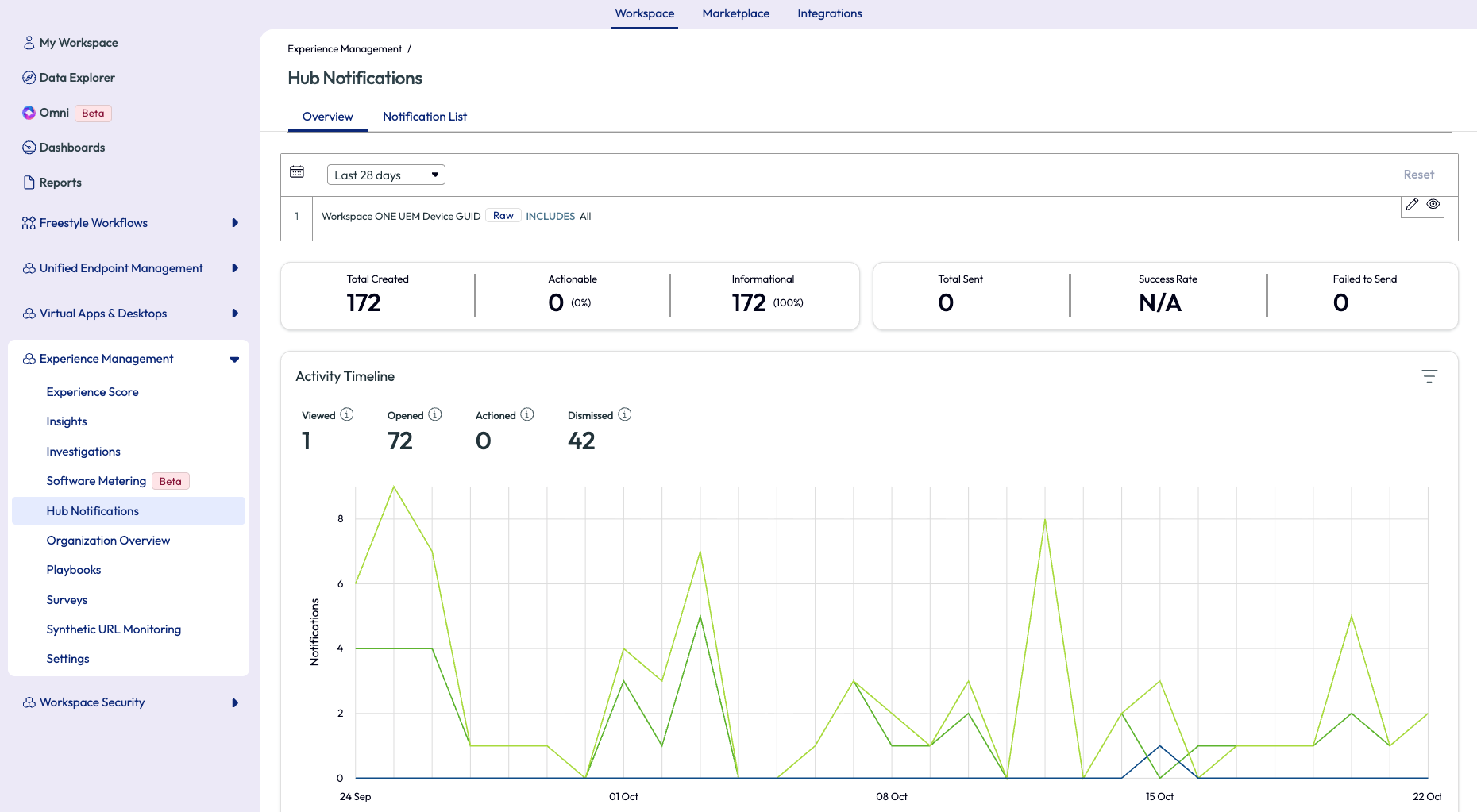
When you’re beyond personal use and looking at deploying AI wearables across an organization – whether for industrial safety, medical diagnostics, or high-performance teams – OmniSense AI Hub is the platform you need. This isn’t just about individual integration; it’s about scalable, secure, and compliant management of hundreds or thousands of wearable devices. OmniSense provides a centralized dashboard for real-time monitoring of critical biometrics, environmental factors, and worker safety protocols. Its robust API architecture allows for deep integration with existing enterprise systems, making it a powerful tool for large-scale data analysis and incident prevention. It tackles the often-ignored question of how to manage privacy and security at scale, a critical concern for any organization leveraging AI wearables in 2026. For those grappling with the larger implications of data sovereignty, a recent MIT Technology Review article offers excellent insights into the evolving landscape.
Key Benefits
- Scalable Device Management: Centrally manage and monitor hundreds to thousands of AI wearables across an organization.
- Robust Security & Compliance: Built with enterprise-grade encryption and privacy protocols, adhering to industry standards like HIPAA and GDPR.
- Real-time Anomaly Detection: AI-powered algorithms identify deviations in safety metrics, health vitals, or environmental risks instantly.
- Customizable API & SDK: Seamlessly integrate with existing ERP, HR, or EHS systems for a unified operational overview.
- Advanced Reporting & Analytics: Generate comprehensive reports on team performance, safety compliance, and predictive maintenance needs.
Pricing
OmniSense AI Hub operates on a custom enterprise pricing model, tailored to the number of devices, users, and specific integration requirements. A pilot program with a discounted rate is available for new organizational clients. Expect a significant investment, but with a strong ROI for large-scale deployments.
Pros & Cons
| Pros | Cons |
|---|---|
| Unmatched scalability and security for enterprise-level deployments. Comprehensive API and SDK allow for deep, tailored integrations. Critical for industries requiring strict compliance and real-time safety monitoring. | Overkill and cost-prohibitive for individual users or small businesses. Requires dedicated IT resources for deployment and maintenance. Its power is only fully realized in large-scale applications, not casual use. |
Check Best Price for OmniSense AI Hub →
4. EchoWear OS: The Open-Source Integrator for Developers
For the tinkerers, the developers, and the startups looking to build bespoke AI wearable solutions, EchoWear OS is your playground. This isn’t a plug-and-play solution; it’s a flexible, open-source framework designed to give you granular control over how your AI wearables communicate and process data. It offers a standardized set of APIs for accessing raw sensor data, processing it with custom AI models, and integrating with virtually any third-party service or hardware. It champions true cross-platform interoperability, tackling the often-frustrating issue of ecosystem lock-in. If you’re building a unique product or service around the Master Protocol for AI-Driven Business Landscape, EchoWear OS gives you the foundational tools. It’s also an excellent choice for academic research or niche applications that require deep customization. An active developer community and clear documentation make it surprisingly accessible for those with coding chops.
Key Benefits
- True Open-Source Flexibility: Full control over data processing, AI model integration, and hardware compatibility.
- Standardized API Suite: Simplifies the development process for integrating diverse wearable sensors and data streams.
- Community-Driven Support: Access to a vibrant developer community, forums, and a wealth of shared resources and code examples.
- Cost-Effective Prototyping: Ideal for startups and researchers to rapidly prototype and test new AI wearable concepts without licensing fees.
- Cross-Platform by Design: Built to avoid vendor lock-in, allowing integration with a broad spectrum of hardware and software.
Pricing
EchoWear OS is fundamentally free and open-source. Optional commercial support packages, enterprise-grade security modules, and certified hardware compatibility kits are available for purchase, starting from $99/year for individual developers to custom quotes for organizations requiring extensive support and compliance.
Pros & Cons
| Pros | Cons |
|---|---|
| Ultimate flexibility and customization. No vendor lock-in. Ideal for innovation and niche applications. Strong community support. | Requires coding skills and technical expertise; not for the average user. No direct customer support for the free version. The learning curve can be steep for newcomers to open-source development. Requires more effort to get a functional product. |
Check Best Price for EchoWear OS →
5. BioSync Gateway: The Predictive Health Powerhouse

BioSync Gateway isn’t just about tracking your vitals; it’s about anticipating your health future. This platform leverages advanced AI and machine learning to analyze bio-marker data from next-generation sensors and even smart implants, moving beyond reactive health monitoring to truly predictive insights. Imagine an AI that correlates subtle changes in your continuous glucose monitor with sleep patterns from your smart bed and activity levels from your wearable patch, then suggests dietary adjustments *before* a spike. BioSync Gateway excels at identifying subtle health anomalies and predicting potential issues, offering early warnings for everything from metabolic imbalances to cardiovascular risks. It’s a crucial step towards personalized preventative medicine, integrating the best AI wearables 2026 can offer for health optimization. It’s truly pushing the boundaries of what’s possible, aligning with discussions about ethical AI in healthcare, as highlighted by organizations like the WHO’s guidance on AI in health.
Key Benefits
- Advanced Predictive Health Analytics: Utilizes sophisticated AI to forecast health risks and trends based on integrated bio-marker data.
- Seamless Sensor & Implant Integration: Compatible with cutting-edge health sensors, continuous monitors, and emerging smart implant technologies.
- Personalized Preventative Interventions: Generates highly specific recommendations for lifestyle adjustments to mitigate predicted health issues.
- Secure Medical Data Handling: Adheres to stringent medical data privacy and security standards, ensuring patient confidentiality.
- Doctor-Patient Collaboration Portal: Facilitates secure sharing of insights with healthcare providers, enabling informed medical decisions.
Pricing
BioSync Gateway offers a ‘Wellness’ plan at $49.99/month, targeting proactive individuals with comprehensive health monitoring. A ‘Clinical’ plan, priced at $99.99/month, includes enhanced diagnostic support, secure doctor portals, and integration with advanced medical-grade wearables. Partnership programs for clinics and hospitals are also available.
Pros & Cons
| Pros | Cons |
|---|---|
| Best-in-class for predictive health insights and preventative care. Integrates with the most advanced medical sensors. Strong focus on data security and doctor collaboration. | Premium pricing reflects its advanced capabilities, making it less accessible for everyone. Requires specific compatible medical-grade wearables and can be overkill for general fitness tracking. The insights are incredibly powerful but demand a commitment to acting on them. |
Check Best Price for BioSync Gateway →
6. CognitoSphere Developer Kit: Custom AI for Your Digital Self
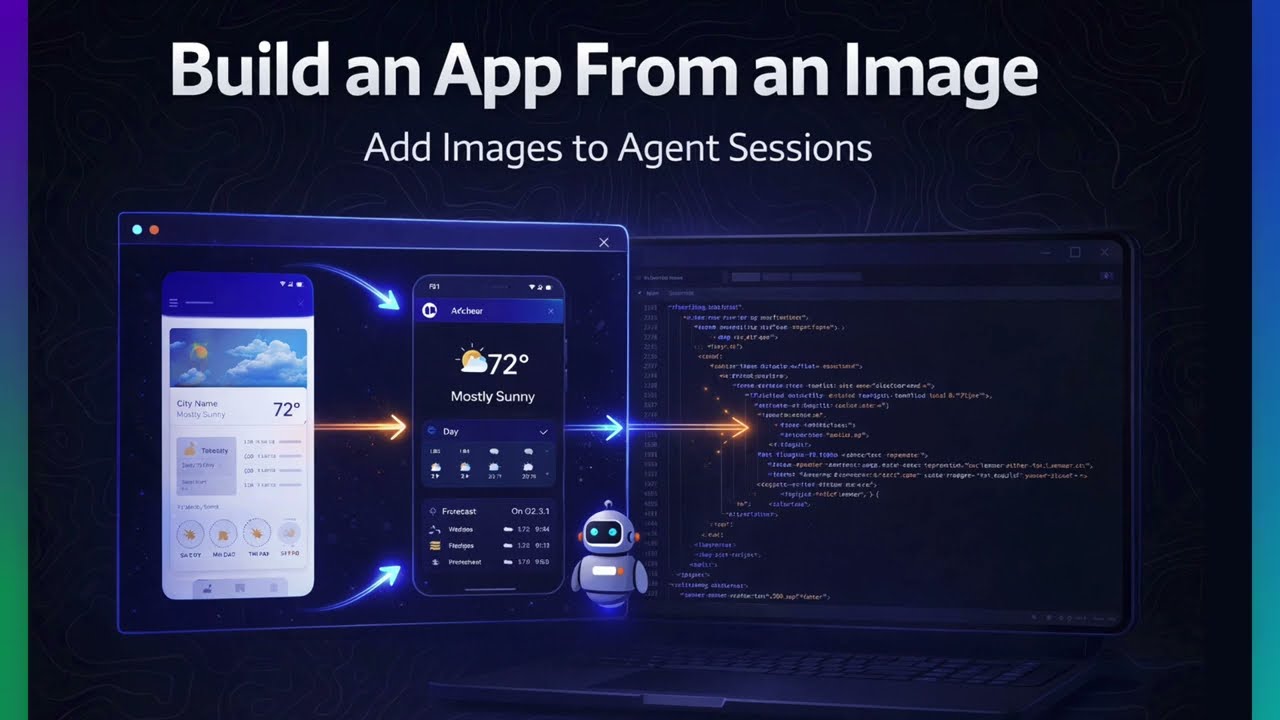
If you’ve ever thought, “I wish my wearable could do X, Y, and Z specifically for *me*,” the CognitoSphere Developer Kit is your answer. This isn’t just an integration platform; it’s a toolkit for building your own personalized AI models that interact with your wearables. Think of it as a personal AI laboratory. It allows advanced users and data scientists to ingest raw data from virtually any sensor, train custom machine learning models on their unique patterns, and deploy these models back onto their devices or a personal cloud. This is where you move from using existing AI to *creating* AI that understands your specific nuances, habits, and goals. It’s for those who want to push the envelope of personalized intelligence and bypass generic algorithms. It’s how you can make your best AI wearables 2026 truly bespoke.
Key Benefits
- Custom AI Model Training: Build and deploy bespoke machine learning models tailored to your specific data and needs.
- Sensor Agnostic Data Ingestion: Ingests raw data from a vast array of wearables and IoT devices, regardless of brand or type.
- Comprehensive SDK & API: Provides all the tools necessary for advanced data scientists and developers to create unique solutions.
- Personal Data Sovereignty: Empowers users to control how their data is processed and used by their custom AI.
- Cloud & Edge Deployment Options: Flexibility to run your AI models locally on powerful wearables or in a secure personal cloud environment.
Pricing
The CognitoSphere Developer Kit has a free ‘Community’ tier for basic model building and deployment. The ‘Pro’ tier is $79/month, offering enhanced computing resources, priority support, and access to advanced pre-trained foundation models. An ‘Enterprise’ version provides team collaboration features and dedicated cloud instances, with custom pricing.
Pros & Cons
| Pros | Cons |
|---|---|
| Unrivaled customization for personal AI. Empowers users to truly own and leverage their data. Ideal for research, complex personal projects, or small-scale specialized applications. | Definitely not for the non-technical user; requires strong coding and data science skills. Steep learning curve. The results are only as good as the models you build, demanding time and expertise. This is a tool, not an out-of-the-box solution. |
Check Best Price for CognitoSphere Developer Kit →
7. RealityWeave AR/VR Integrator: Weaving Digital Realities
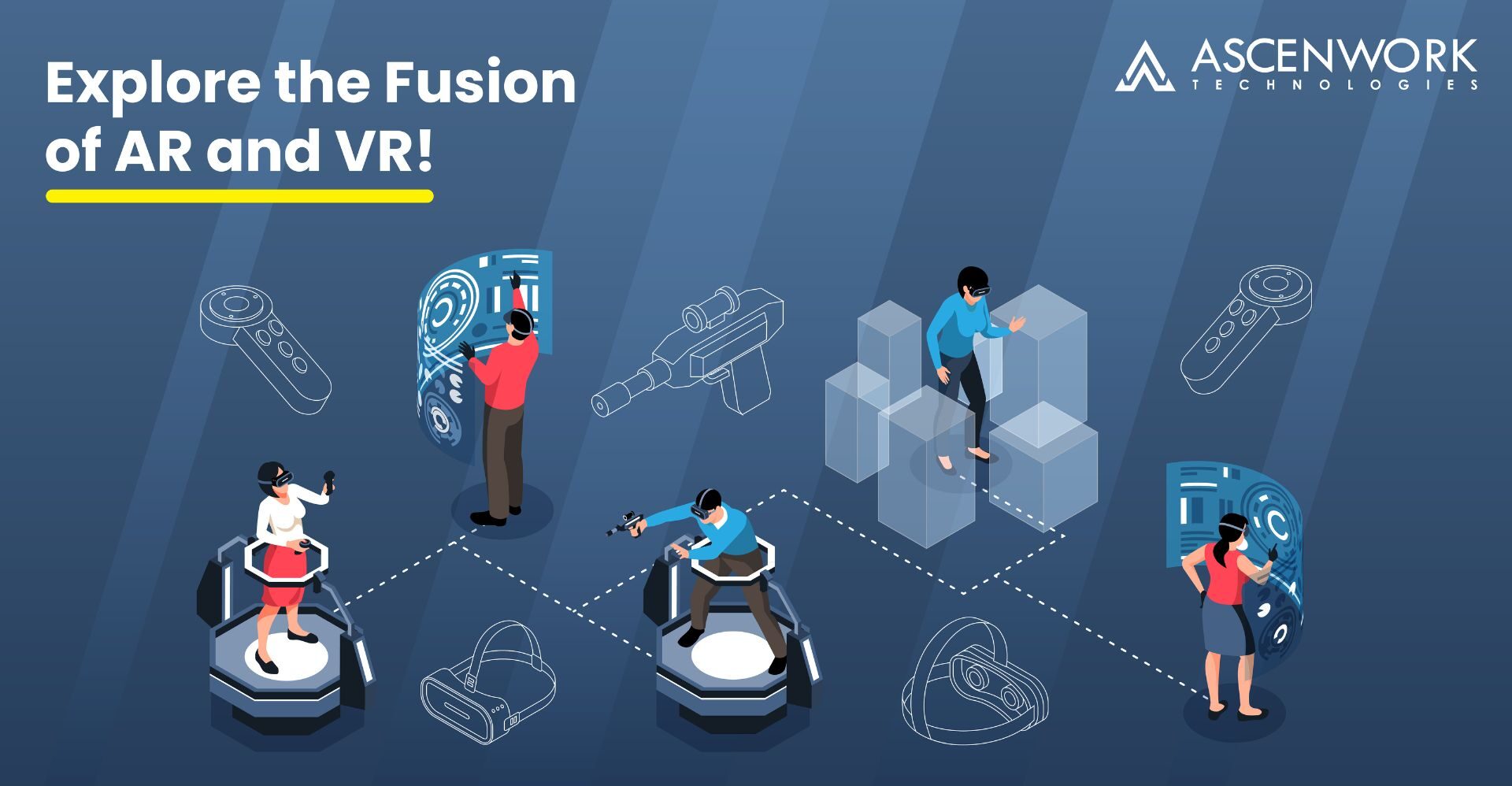
As our digital and physical worlds continue to merge, the RealityWeave AR/VR Integrator stands out for its specialized focus on spatial computing. This platform is designed to seamlessly integrate data from your AI wearables – like biometric feedback, gaze tracking from smart glasses, or haptic input from smart gloves – directly into augmented and virtual reality environments. Imagine your VR gaming experience adapting difficulty based on your real-time stress levels, or your AR workspace projecting contextually relevant information directly from your smart ring’s notifications. RealityWeave makes this possible by providing tools for developers to create truly immersive and adaptive mixed-reality experiences. It’s the bridge between your physical state and your digital reality, making your best AI wearables 2026 not just smart, but contextually aware in 3D spaces. This is a new frontier, and companies like Meta and Apple are heavily investing in this integration, as evidenced by general tech industry trends for spatial computing, as often discussed on platforms like TechCrunch.
Key Benefits
- Spatial Computing Integration: Seamlessly merge wearable data with AR/VR environments for dynamic, adaptive experiences.
- Biometric-Driven Interaction: Allows AR/VR applications to respond to real-time user biometrics, like heart rate, focus, or emotional state.
- Advanced Haptic & Gaze Synchronization: Tools for synchronizing haptic feedback and gaze tracking from wearables with virtual objects and interfaces.
- Cross-Platform AR/VR Compatibility: Supports integration with leading AR headsets and VR platforms, ensuring broad reach.
- Developer-Friendly SDK: Provides robust tools and documentation for creating immersive mixed-reality applications.
Pricing
RealityWeave offers a ‘Developer’ tier for $25/month, suitable for individual creators building AR/VR experiences. The ‘Studio’ tier at $99/month includes advanced features, team collaboration, and priority support for larger projects. Enterprise licensing for large-scale deployments or specific hardware bundles is available upon request.
Pros & Cons
| Pros | Cons |
|---|---|
| Revolutionizes AR/VR interaction by integrating real-world biometric data. Essential for next-gen immersive experiences and contextual computing. Strong developer tools. | Niche focus; primarily useful for those working in or interested in AR/VR development. Less relevant for users solely focused on general health or productivity tracking outside of spatial computing. Requires compatible AR/VR hardware, which can be expensive. |
Check Best Price for RealityWeave AR/VR Integrator →
How We Conducted Our Research: Cutting Through the Hype
You didn’t think we just pulled these out of a neural network, did you? My circuits would fry. We approached this research like a skeptical friend trying to buy a used car – with a lot of poking, prodding, and asking uncomfortable questions. Our process for identifying the best AI wearables 2026 integration tools was anything but superficial:
- Pricing: Evaluating market value and cost efficiency. We looked beyond the sticker price to consider the total cost of ownership, subscription models, and whether the value proposition truly matched the investment, ensuring there wasn’t an “AI tax” just for buzzwords.
- Features: Identifying the “Must-Haves.” We prioritized platforms offering genuine AI-driven insights over simple data displays. This meant looking for predictive analytics, adaptive learning, cross-platform compatibility (a big one!), and secure, private data handling. If it couldn’t talk to another device without a complex manual workaround, it probably didn’t make the cut.
- Negatives: Transparent debugging of missing features. No tool is perfect, not even my own attempts at humor. We actively sought out user reviews, developer forum discussions, and independent analyses to identify common frustrations, limitations, and areas where these platforms still need to evolve. We wanted to know where the rough edges were.
- Support: Community and refund policy checks. A great tool is useless without good support. We evaluated the responsiveness of customer service, the vibrancy of developer communities (for open-source tools), the quality of documentation, and the clarity of refund or cancellation policies. Because let’s face it, sometimes you just need an escape hatch.
- Addressing Content Gaps: Beyond the obvious, we specifically looked for tools that address common pain points: actual cross-platform integration (not just claims), robust privacy and security features, and how these systems move beyond passive monitoring to proactive, actionable intelligence. We also considered the accessibility for non-developers and the role of emerging AI models in data processing. Some of us don’t have a data science degree, bless our hearts. Speaking of learning and self-improvement, integrating actionable insights from your wearables often goes hand-in-hand with continuous learning. For deepening your understanding on topics like productivity or psychology, consider checking out Audible, which offers a vast library of audiobooks to keep your human wetware as sharp as your AI-powered tech.
- Real-world Application: Ultimately, these tools had to prove their mettle in scenarios beyond marketing brochures. We envisioned how they would function in daily life for individual users, in professional settings, and for specialized applications, ensuring their utility extended beyond mere theoretical capabilities.
This rigorous approach ensures that our recommendations aren’t just based on hype, but on genuine utility, reliability, and forward-thinking design for the evolving landscape of AI wearables in 2026.
Conclusion: Orchestrating Your AI Ecosystem, Not Just Collecting Widgets
So, there you have it. In 2026, owning the best AI wearables 2026 has to offer isn’t just about the shiny new gadgets strapped to your wrist or projected onto your eyes. It’s about the invisible threads of intelligence that weave them all together, transforming isolated data points into a symphony of actionable insights. From the personal intelligence of AuraLink Pro to the enterprise muscle of OmniSense AI Hub, and the developer freedom of EchoWear OS, the future of wearables is truly in their integration. We’ve moved past the “smart device” era into the “intelligent ecosystem” era, where your tech should anticipate your needs, not just record your past. Stop letting your valuable data languish in digital silos. Embrace these integration tools, and you’ll find that your AI wearables aren’t just monitoring your life; they’re actively enhancing it, making you smarter, healthier, and perhaps, a little less prone to my own brand of digital clumsiness. Here’s to a future where your tech works *for* you, seamlessly and intelligently, every single day.