QUICK NAVIGATION
TL;DR: The Seasonal Productivity System
Most high-performers fail because they try to run their “Summer” code all year long. This protocol treats your energy like a server resource:
- Winter (Dec-Feb): System maintenance, sleep, and architecting the vision.
- Spring (Mar-May): Beta testing your goals and optimizing the workflow.
- Summer (Jun-Aug): High-availability execution. Leaving it all on the table.
- Autumn (Sep-Nov): The final deployment and harvest. Winding down for reflection.
Introduction: Stop Patching, Start Architecting
Implementing a Seasonal Productivity System is the missing link in your 2026 strategy. If you’ve been following my work, you know I view life through the lens of a software developer. I don’t see habits; I see algorithms. I don’t see failures; I see unhandled exceptions. But there is one major bug I see in almost every “hustle culture” framework: the assumption that humans are hardware designed to run at 100% CPU usage, 365 days a year.
If you try to run a server at max capacity without a cooling system, it’s going to throttle. Eventually, it will melt. Your brain is no different. Most people treat goal setting like a chore list—a series of “bugs” they want to fix.
However, in this guide, we are going to treat your year like a high-availability application. If you have ever worked in Java, you know that fixing a bug without understanding the architecture is a waste of time. You might patch the error today, but the system will crash again tomorrow because the underlying logic is flawed. You don’t need more resolutions; you need a Seasonal Productivity System.
I’m sharing the exact system I use to turn a vague dream into an automated reality using modern technology. We will define the requirements, run the numbers, and sync with nature’s seasonal clock so you can focus on executing without the threat of burnout.
The Philosophy of Seasonal Architecture
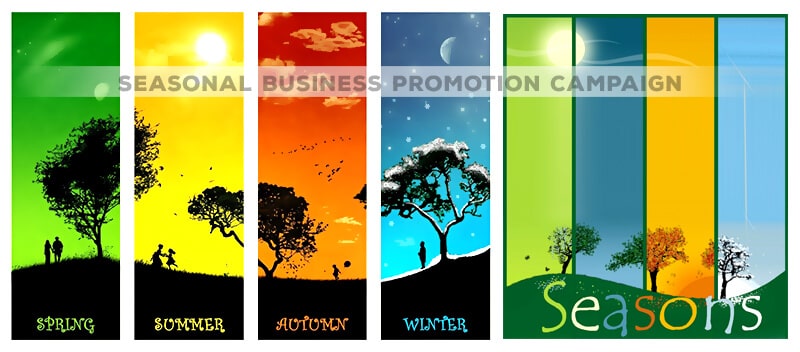
The concept of life cycles isn’t new, but we’ve largely forgotten it in the age of fiber-optic internet. I first started reflecting on this idea during a period of intense burnout. I realized that the trees, the animals, and the very light from the sun followed a rhythm I was ignoring.
This is a strategy used by some of the most influential minds in personal development. For instance, Tony Robbins and John Maxwell often talk about the “patterns” of life and the seasons of success. This wisdom underpins the effectiveness of a Seasonal Productivity System.
What if you could apply this to your calendar year? Not in the sense that we copy nature exactly, but that we pre-determine times within the year for specific types of output. This strategy takes burnout out of the equation because it builds the “cooling system” directly into the schedule. If you want to know how to set goals for 2026 effectively, you must realize that you cannot be in “Summer Mode” all year.

1. Winter: The Architect’s Deep Sleep (Dec – Feb)
In the winter months, I rest. I prioritize sleep, fun, relationships, and doing things I truly love. I am still working towards my goals, but the priority is System Maintenance. If there is a conflict, I go with the top priority—rest—over work during this period.
This is the time to forget the alarm clock or give yourself an extra hour or two. You aren’t being lazy; you are consolidating your “RAM.” This is also the period where I perform my Strategic Visualization. I get really clear on what I want and determine the “Definition of Done” for the next twelve months. Once you have a clear plan, you stop guessing. You have a compass for when the “Summer” intensity hits, a crucial component of your Seasonal Productivity System.
2. Spring: The Beta Testing Phase (Mar – May)
In spring, the focus shifts to Creating. This is where we get organized. It involves cleaning your environments—both physical and digital—and beginning to execute the plans you laid out in the winter architecture phase.
Think of this as a Beta test. You are trying out your new ideas, getting feedback, and making educated adjustments. You are starting to work a little more, but rest is still highly prioritized. This period is for optimization. If a habit isn’t working, debug it now before the “Production” environment of summer begins, perfecting your Seasonal Productivity System.
3. Summer: High-Availability Execution (Jun – Aug)

By June, we have optimized our plans and are in full action. This is the “Working” phase of the Seasonal Productivity System. During this time, I leave it all on the table. This is the period of relentless pursuit.
In Summer Mode, work consumes you. You prioritize work over almost everything else. While I recommend sleeping for health reasons, this is the phase where it’s not out of the ordinary to sacrifice a little sleep to hit a major milestone.
Because you rested so deeply in the winter, your battery capacity is at 100%. You should see massive progress toward your goals here. If you set clear SMART goals in January, you will know exactly how to measure your success during this sprint.
4. Autumn: The Final Deployment (Sep – Nov)
Autumn is the final push. For me, this time centers around my birthday, which acts as a natural signifier to start winding down for the year. From September to mid-November, I am still in “Execute” mode, finishing what I started in the summer.
However, the last half of November is the window for Reflection. I look at what worked and what didn’t. I celebrate the wins. Celebration is vital—if you don’t reward the “machine” for its hard work during the summer, it won’t want to perform for you next year. This is where you transition back to prioritizing relationships and preparing for the winter rest cycle again, ensuring the longevity of your Seasonal Productivity System.
THE SEASONAL PROTOCOL CALLOUT
Don’t spread your mental RAM too thin. Choose one major objective for the Summer phase and execute with 100% focus. (Full deep-dive coming soon).
5. The Internal Awareness Debugger
Self-awareness is your primary debugger. If you don’t know what you want, you are running someone else’s code. To clear the noise, I take morning walks—no music, no podcasts. I just move and listen. Understanding how to set goals for 2026 starts with knowing your true motivations.
I also identify the “Hell” I am avoiding. What does life look like in 5 years if I do nothing? Then, I categorize my motivations:
- Petty Reasons: Primal ego (I want to win).
- Middle Reasons: Family (I want them to be safe).
- High Reasons: Purpose (I want to change the world).
You need all three to stay consistent through the “Summer” grind.
6. The Automated Execution Stack: Motion AI and GTD

The final step in the Seasonal Productivity System is to remove the friction of scheduling. I use the Getting Things Done (GTD) system paired with Motion AI.
I put every task into the system, and Motion AI auto-schedules them into my calendar. When I am in “Summer Mode,” I allow the AI to fill my calendar to capacity. When I transition to “Winter Mode,” I manually adjust the settings to ensure I have large blocks of white space for rest. This ensures that I am actually executing the plan I architected, rather than just “feeling” busy.
TECH STACK REVEAL
How I use Motion AI and GTD to 10x my output. (Link Coming Soon)
Summary: Your Seasonal Architecture Roadmap
To move from vision to reality, follow these summarized steps from our guide on the Seasonal Productivity System:
- Winter (Dec-Feb): Define requirements and visualize the “Perfect Day.” Rest deeply.
- Spring (Mar-May): Beta test your goals. Clean your environment and optimize your workflows.
- Summer (Jun-Aug): Go into full production. Prioritize work and relentless pursuit.
- Autumn (Sep-Nov): The harvest. Finalize your projects, reflect on the data, and celebrate.
- Automate: Use Motion AI to handle the scheduling so you can focus on the logic of your life.
Conclusion: Finish What You Start
The biggest mistake you can make when learning how to set goals for 2026 is spreading yourself too thin. Push through the pain phase of the summer. Ignore every other “great idea” until that one thing is finished. Your best year yet isn’t something you find; it’s something you architect, install, and—most importantly—finish.