Category: General

  • The Future of Health: Personalized Wellness & Proactive Care

    Future of Health - The Future - featured banner

    The Mission Objective

    Confession time: I used to picture the future of health as something straight out of a sci-fi flick. Think diagnostic nanobots, nutrient paste for dinner, and maybe a personal holographic physician that judges your snack choices. Turns out, the reality of the future of health is a bit more… human, a lot more immediate, and thankfully, far less paste-y. But also, potentially far more empowering than I ever imagined. Our mission here isn’t to predict exactly when your fridge will start tattling on your late-night ice cream escapades (though it’s probably already on its way). Instead, it’s to cut through the breathless hype, address the burning questions no one else seems to be answering, and arm you with a practical, no-nonsense roadmap to navigating the exciting, sometimes daunting, landscape of tomorrow’s wellness.

    What is the Future of Health?

    Alright, let’s get down to brass tacks. When we talk about the future of health, we’re not just talking about shiny new gadgets or another diet fad promising eternal youth (though, let’s be real, someone’s always selling that). We’re talking about a seismic shift in how we approach well-being, moving from a reactive, sickness-focused model to one that’s proactive, personalized, preventative, and ultimately, far more integrated into our daily lives. Think of it less as a destination and more as an evolving ecosystem where technology, data, individual choices, and community support converge.

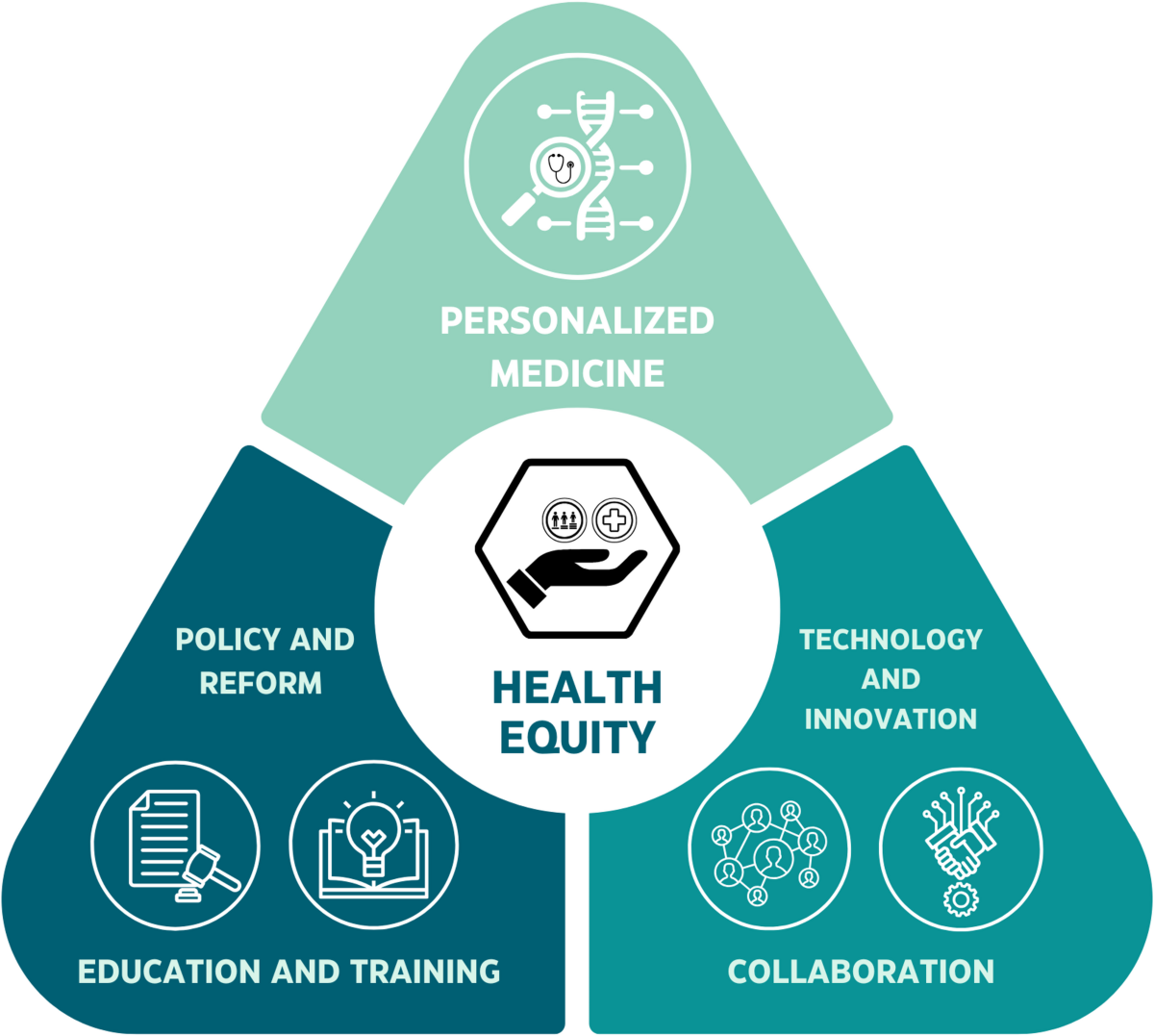
    At its core, the future of health is driven by several key pillars:

    • Personalized Medicine: Moving beyond “one-size-fits-all” treatments to therapies tailored to your unique genetic makeup, lifestyle, and environment. Imagine a prescription based on *your* DNA, not just the general population’s average.
    • Preventative Care & Longevity: The focus is shifting from treating illness after it strikes to preventing it altogether. This includes everything from advanced diagnostics to lifestyle interventions aimed at extending not just lifespan, but “healthspan” – the years you live free from chronic disease.
    • Digital Health & AI: Wearables that track everything from your sleep to your stress levels, AI-powered diagnostics that can spot disease earlier than the human eye, virtual consultations, and remote monitoring. Our phones and smart devices are becoming our first line of defense (or offense, depending on how you look at it) in managing our health.
    • Patient Empowerment: You, dear reader, are increasingly at the center of your health journey. With more data, more tools, and more accessible information, the future puts more agency in your hands, making you an active participant rather than a passive recipient of care.
    • Integrated & Holistic Approaches: While technology shines, there’s also a growing recognition of the interconnectedness of physical, mental, and emotional well-being. The future of health embraces this holistic view, often blending cutting-edge tech with traditional wellness practices.

    Reasons You Need to Master This (Before It Masters You)

    You might be thinking, “This all sounds great, but why do *I* need to ‘master’ it? Can’t I just keep my head down and hope my doctor figures it out?” Well, smart friend, here’s why understanding this shift isn’t just a nice-to-have, but an essential skill set for modern living:

    • Personal Agency: The more you understand, the more control you have over your own health decisions. This isn’t about becoming a doctor; it’s about being an informed client.
    • Better Outcomes: Proactive engagement with the latest tools and knowledge can lead to earlier detection, more effective prevention, and ultimately, a healthier, longer life. Why wait for a problem when you can spot it (or prevent it) before it even starts?
    • Navigating the Noise: The information superhighway is often a misinformation swamp. Understanding the core trends helps you discern genuine advancements from snake oil. As we touched on in 5 Myths About health Debunked, critical thinking is more important than ever.
    • Advocacy for Loved Ones: Your insights won’t just benefit you. You’ll be better equipped to advocate for family and friends, helping them make sense of new treatments, technologies, and options.
    • Economic Impact: Healthcare costs are a beast. Understanding preventative strategies and efficient digital solutions can potentially save you a significant chunk of change down the line.
    • Avoiding the “Digital Divide”: As health becomes more tech-driven, those without the knowledge or access could be left behind. Being informed helps bridge that gap, for yourself and others.

    Step-by-Step Instructions to Navigating the Future of Health

    Okay, so the future of health isn’t just flying cars and robot maids (sadly). It’s happening now, in our clinics, on our wrists, and in our data. The good news? You don’t need a medical degree or a time machine to start engaging with it. Think of this as your survival guide, not for the apocalypse, but for the health evolution.

    Step 1: Become a “Data Literate” Human (Not a Data Scientist)

    Instruction: Your body is generating data constantly, and increasingly, technology is capturing it. From your smartwatch tracking sleep patterns to genetic tests revealing predispositions, understanding what this data means (and doesn’t mean) is crucial. Don’t just collect data; learn to interpret it with a healthy dose of skepticism and curiosity. What’s your resting heart rate telling you? How does your sleep correlate with your energy levels? What are the implications of a specific gene marker, and how much weight should you actually give it?

    Why it matters: This isn’t about becoming a human spreadsheet. It’s about empowering yourself. Digital health strategies, like those outlined by the WHO’s Global Strategy on Digital Health, emphasize using data for better public health outcomes. On a personal level, this means you can ask smarter questions, spot trends, and engage more meaningfully with your healthcare providers. But remember, a data point isn’t a destiny. It’s a clue. And speaking of clues, make sure you know How to Start with health by building a solid foundation of understanding.

    Step 2: Embrace Proactive & Preventative Living

    Instruction: The old model was often “wait until you’re sick, then fix it.” The new model is “prevent sickness, optimize wellness.” This means regular check-ups (yes, even if you feel fine), engaging with preventative screenings (mammograms, colonoscopies, blood tests), and taking lifestyle seriously. Understand that “health” isn’t just the absence of disease; it’s the active pursuit of well-being. This includes nutrition, movement, stress management, and social connection – the fundamentals that technology can support, but never replace.

    Why it matters: Early detection changes everything. AI in healthcare, as explored by institutions like MIT Technology Review, is already revolutionizing diagnostics, from spotting cancerous lesions earlier to predicting disease risk. By being proactive, you’re giving these advanced tools a chance to work their magic *before* problems escalate. It’s like getting an oil change before your engine seizes, but for your body. And if you’re looking for deeper dives into preventative strategies, remember to check out resources that can expand your knowledge, like those available on Audible, which offers a vast library of audiobooks on health, psychology, and self-improvement.

    Step 3: Befriend (But Don’t Blindly Trust) AI & Digital Tools

    Instruction: Your smartwatch isn’t just a fancy clock; it’s a personal health assistant. Apps can guide meditation, track water intake, or even offer CBT exercises. AI is diagnosing conditions from medical images and predicting drug interactions. Don’t shy away from these tools, but approach them with a discerning eye. Research their efficacy, understand their limitations, and always, always consult with a human healthcare professional for critical decisions. Your AI isn’t licensed to practice medicine (yet).

    Why it matters: These tools are only going to become more prevalent and sophisticated. From virtual reality therapy to AI-driven drug discovery, technology is a powerful co-pilot. Learning how to integrate them thoughtfully into your routine – whether it’s using a symptom checker as a guide or leveraging a mental wellness app – gives you an edge. Just remember, the tech is there to *assist* you and your doctor, not replace either of you.

    Step 4: Understand Personalized Medicine (It’s Not Just for Celebrities)

    Instruction: Personalized medicine is moving beyond the lab. Pharmacogenomics (how your genes affect your response to drugs) is becoming a real-world tool, helping doctors prescribe medications that are more effective and have fewer side effects for *you*. Ask your doctor about it, especially if you’ve had issues with medication responses. Consider genetic testing (with professional counseling) to understand your predispositions, but avoid falling into the trap of self-diagnosing or overreacting to raw data. It’s a piece of the puzzle, not the whole picture.

    Why it matters: As institutions like Mayo Clinic explain, pharmacogenomics can significantly improve treatment efficacy and safety. The future of health is increasingly about understanding your unique biological blueprint. This isn’t about creating “designer babies” but about giving your body the most tailored care possible. The more you know about what makes *you* tick, the better your health strategies can be.

    Step 5: Prioritize Mental & Emotional Wellness in a Tech-Driven World

    Instruction: With all the talk about physical health tech, it’s easy to overlook the mental load. The future of health isn’t just about longer lifespans; it’s about better quality of life. Actively seek out digital tools for mental health (meditation apps, online therapy platforms, CBT programs), but also ensure you maintain “analog” connections. Balance screen time with green time. Be aware of the potential for digital fatigue or comparison traps fueled by social media. Your brain needs care just as much as your heart.

    Why it matters: A holistic approach to health acknowledges that mental and physical health are inextricably linked. Stress, anxiety, and depression can have profound physiological impacts. The future offers incredible tools to support mental well-being, but it also presents new challenges. Being intentional about your mental health strategy is paramount. Dive deeper into understanding the psychological aspects of well-being through platforms like Audible, where countless resources on mindfulness, psychology, and stress reduction are just a listen away.

    Step 6: Engage with Ethical Questions & Advocate for Equity

    Instruction: As health tech advances, so do the ethical dilemmas. Who owns your health data? How is AI ensuring fairness across diverse populations? Will these incredible advancements only be available to the wealthy? Don’t just consume the future of health; engage with it critically. Support policies that advocate for data privacy, equitable access to technology, and ethical AI development. Speak up, participate in community discussions, and demand transparency.

    Why it matters: The future of health has the potential to dramatically improve lives, but only if it’s developed and deployed responsibly. A truly advanced health system serves everyone, not just a privileged few. Your voice contributes to shaping a future where innovation doesn’t exacerbate existing inequalities, making fundamental health principles accessible to all, much like the broader goal of understanding what true health means.

    Key Considerations for Success in the Future of Health

    So, you’ve got your compass pointed, but what are the big rocks to watch out for on your journey? Navigating the future of health isn’t just about adopting new tech; it’s about understanding the underlying currents that will shape its impact.

    First off, data privacy and security are not just buzzwords; they’re the bedrock. As more of our intimate health information is digitized, ensuring it’s protected from breaches, misuse, and unauthorized access becomes paramount. Always question how your data is being used and who has access to it. Read those pesky privacy policies (or at least the summaries!).

    Then there’s the monumental challenge of equity and access. Will the personalized, high-tech, preventative future only be available to those with deep pockets or reliable internet access? Or can we build systems that truly democratize these advancements, reaching underserved communities and bridging the digital divide? This is where ethical considerations intersect with practical policy, and it’s a conversation we all need to be part of.

    Finally, we can’t forget the human element. As much as we celebrate AI and automation, empathy, intuition, and the comforting presence of a human caregiver remain irreplaceable. The future of health isn’t about replacing doctors with algorithms; it’s about empowering them with better tools, freeing them to focus on the truly human aspects of care.

    Taking it to the Next Level: Becoming a Health Futurist (of Your Own Life)

    If you’ve tackled the steps above and are still hungry for more, you’re ready to elevate your game. This isn’t about hoarding obscure health gadgets, but about deeply integrating these principles into your life and becoming an active participant in shaping the health landscape.

    • Continuous Learning: The future isn’t static. Dedicate time to staying informed. Subscribe to reputable science and health journals (online, of course), follow thought leaders in digital health, and listen to podcasts. This is where tools like Audible can be your secret weapon, allowing you to consume knowledge on everything from longevity science to the philosophy of well-being during your commute or workout.
    • Participate in Research (Where Appropriate): Consider joining clinical trials for conditions that affect you or your family, or contributing to biobanks if you’re comfortable. Your data, thoughtfully and ethically collected, can advance scientific understanding for everyone.
    • Advocate & Engage: Join patient advocacy groups, participate in discussions about health policy, or even simply share your informed perspectives with friends and family. The collective wisdom of informed individuals can steer the ship.
    • Holistic Integration: Beyond the tech, truly take the future of health to heart by deeply integrating physical, mental, emotional, and social well-being into your daily fabric. Think of technology as an enhancer, not a replacement, for the core human needs that drive health.

    Alternative Methods & Complementary Approaches

    While the spotlight is often on cutting-edge technology, it’s crucial to remember that the future of health also includes a re-appreciation of time-tested, complementary approaches. “Alternative” doesn’t always mean “unproven,” just often less conventional in Western medicine.

    • Mind-Body Practices: Techniques like yoga, meditation, tai chi, and breathwork are gaining mainstream scientific backing for their profound impact on stress reduction, mental clarity, and even physical health markers. They’re not just “woo-woo” anymore; they’re evidence-based tools for resilience.
    • Nutritional Therapy: While personalized nutrition is often seen through a genomic lens, traditional approaches focusing on whole foods, gut health, and specific dietary patterns (like Mediterranean or plant-based diets) remain incredibly powerful. The future isn’t just about supplements; it’s about foundational food choices.
    • Naturopathy & Functional Medicine: These approaches seek to identify and address the root causes of disease, often using a blend of conventional and natural therapies. They embody the personalized and preventative ethos of the future, even if their methods predate the latest tech.
    • Traditional Medicine Systems: Practices like Traditional Chinese Medicine (TCM) and Ayurveda, with thousands of years of observation behind them, offer valuable insights into holistic well-being and individualized care that can complement modern medical interventions.

    The smartest approach to the future of health is not to pick a side, but to integrate the best of all worlds – leveraging cutting-edge technology and data while honoring the wisdom of ancient practices and the irreplaceable power of human connection and foundational self-care. It’s about building a robust, resilient health strategy that works for *you*.

    Wrapping Up: Your Health, Elevated and Empowered

    Phew! We’ve covered a lot of ground, haven’t we? From nanobots (or the lack thereof) to personalized prescriptions, and from data privacy to the importance of a good yoga pose. My own journey into understanding the future of health has been less about finding a magic bullet and more about realizing that the power lies in informed, proactive engagement. It’s not about being overwhelmed by every new gadget or theory, but about developing a discerning eye and a practical framework for incorporating what truly matters into your life.

    The future of health isn’t some far-off, inaccessible utopia. It’s unfolding right now, in your pocket, on your plate, and in the conversations you have with your healthcare providers. By becoming data-literate, embracing preventative thinking, cautiously befriending technology, understanding personalization, prioritizing your mental game, and advocating for an equitable system, you’re not just passively waiting for the future – you’re actively shaping a healthier one for yourself and for those around you.

    So, take a deep breath. The future isn’t a scary, sterile, robot-filled clinic. It’s an opportunity to take greater ownership of your well-being, to live more vibrantly, and to navigate the complexities with confidence. And if you still find yourself craving a nutrient bath, just remember to add some Epsom salts for good measure. You’ve earned it.


  • How to Start with Health: 6 Essential Steps for Lasting Wellness

    start with health - How to - featured banner

    Alright, let’s be honest. You’ve probably clicked on a thousand articles titled “Get Healthy NOW!” or “The Only Diet You’ll Ever Need!” and ended up feeling more overwhelmed than when you started. Been there, done that. My mission here isn’t to sell you a miracle cure or a ridiculously restrictive plan, but rather to show you how to truly master your health journey and start with health effectively.

    Instead, we’re cutting through the noise to give you a truly grounded, step-by-step path on how to start with health, even if your current routine consists mostly of existential dread and lukewarm coffee. We’re talking actionable, realistic advice for real humans, not just Instagram models.

    If you’re tired of feeling like you’re constantly failing and just want to feel a bit better, a bit more energetic, and a bit more in control, then stick around. We’re going to build a foundation that actually lasts, brick by excruciatingly small, manageable brick.

    What Does ‘Starting with Health’ Even Mean for Beginners?

    Let’s be clear: when we talk about ‘starting with health’ for beginners, we’re not aiming for Olympic-level athleticism or a diet composed solely of raw spirulina and sunbeams. No, no. For us mere mortals, “starting with health” is about laying the absolute foundational groundwork. Understanding how to start with health as a beginner is crucial for long-term success.

    It’s about moving from a state of general malaise, low energy, and perhaps a vague sense of impending doom, to one where you have a little more pep in your step, clearer thoughts, and the ability to climb a flight of stairs without needing a nap afterwards. It’s not about perfection; it’s about *progress*.

    It’s about consistently making small, sustainable choices that compound over time, leading you to feel genuinely better, inside and out.

    Think of it less as a sprint to a finish line you’ll never reach, and more like planting a tiny, resilient seed. You water it, give it some light, protect it from the elements, and eventually, you get a sturdy plant. You don’t get a redwood overnight, and you certainly don’t get one by yelling at the seed.

    This is about nurturing your body and mind back to a baseline of functionality, then slowly, patiently, building upwards. It’s about ditching the all-or-nothing mindset and embracing the “some-is-better-than-none” philosophy.

    This is about learning how to start with health by establishing basic healthy habits that stick, because they make you feel good, not because some guru told you to.

    Reasons You Need to Master This

    • The Energy Drain is Real: Ever feel like you’re running on fumes before noon? Basic health improvements can unlock surprising levels of sustained energy. Learning how to start with health and prioritize your well-being can unlock surprising benefits.
    • Mental Clarity, Not Just Muscle Mass: A healthy body often means a clearer, sharper mind. Less brain fog, more brilliant ideas (or at least, remembering where you put your keys).
    • Future-Proofing Your Awesome Self: Small steps now can significantly reduce your risk of a whole host of less-than-pleasant health issues down the road. Think of it as investing in your golden years, so they don’t involve too many doctor’s appointments.
    • Breaking the Cycle of Overwhelm: Learning how to start small and consistently build helps you avoid the dreaded “health burnout” that comes from trying to do everything at once.
    • Rediscovering Your Mojo: When you feel good physically, it tends to spill over into other areas of your life – confidence, productivity, and general zest for life. Who doesn’t want more mojo?
    • Setting a New Standard: This isn’t just about weight loss or aesthetics; it’s about establishing a baseline standard for how you expect to feel and live. And trust me, that baseline can be a lot higher than you currently imagine.

    How to Start with Health: Step-by-Step Instructions for Beginners

    Alright, deep breath. You’ve probably tried to overhaul your entire life in a single weekend before, only to crash and burn by Monday lunchtime. We’re not doing that here. This isn’t a boot camp; it’s a guided stroll. We’re going to focus on tiny, almost ridiculously small, steps that show you exactly how to stick to them. These instructions will guide you on how to start with health and build a sustainable health routine. The goal is consistency, not perfection. Think of it as a choose-your-own-adventure, but with less risk of getting eaten by a grue and more risk of accidentally feeling good.

    Step 1: The Brutally Honest Health Audit (No Judgment, Just Data)

    Before you can go anywhere, you need to know where you are. This isn’t about shaming yourself; it’s about gathering intel. For a few days, simply observe your current habits without trying to change anything. What do you eat? When? How much? How do you move (or not move)? How many hours do you sleep? How much screen time? How much water? Just jot it down. You might be surprised. This audit helps identify your starting line and areas that are low-hanging fruit for improvement. This audit is essential for understanding how to start with health by identifying your starting point. For example, if you realize you drink zero water and eight sodas a day, that’s a pretty obvious place to start tweaking. No need for complex spreadsheets, a simple notepad or phone memo works wonders. The key here is brutal honesty. Pretend you’re a detective investigating your own lifestyle choices. What would the evidence tell you?

    Step 2: Find Your “Why” (Beyond the Beach Body)

    Listen, “I want to look good in a swimsuit” is fine, but it rarely sustains motivation when the going gets tough (or when the swimsuit season is over). Your “why” needs to be deeper. Do you want more energy to play with your kids? Do you want to avoid a family history of diabetes? Do you want to feel less anxious? Do you just want to stop getting winded walking up the stairs? Write down your core reasons. When you feel like quitting, you’ll refer back to this. This isn’t superficial; it’s the bedrock of your motivation and understanding how to sustain it. Defining your ‘why’ is key to knowing how to start with health and stay motivated. If you’re struggling to articulate your “why,” consider diving into some self-improvement resources. Audiobooks, for instance, can be a fantastic way to explore psychology, philosophy, and productivity concepts that help you define your values and motivations. Seriously, a good listen can sometimes be the kick in the pants you need to get clarity. For an endless library of such wisdom, you might find Audible incredibly helpful in shaping your perspective and fueling your journey.

    Step 3: Pick ONE Tiny Habit (The Ridiculously Small Win)

    This is where most people derail. They try to do too much. Instead, choose one, single, tiny habit from your audit that feels almost embarrassingly easy to implement. We’re talking micro-habits here. Not “exercise for an hour,” but “walk for 5 minutes after dinner.” Not “eat salads for every meal,” but “add one serving of vegetables to dinner.” Not “drink a gallon of water,” but “drink a glass of water first thing in the morning.” The goal is to build a winning streak and prove to yourself that you *can* make healthy choices. Once that one habit feels ingrained (takes a few weeks, usually), then and only then, consider adding another tiny one. This slow, steady accumulation of wins is precisely how to start with health and make real change happen. This slow, steady accumulation of wins teaches you how to start with health and build momentum. Remember, consistency is your superpower here, not intensity.

    How to Master the Holy Trinity: Water, Sleep, Simple Movement

    Forget the fancy supplements and complex workout routines for a moment. Most beginners will see monumental shifts by just focusing on these three non-negotiables: This section explains how to start with health by optimizing these fundamental aspects.

    1. Hydration: Aim for around 8 glasses of water a day. Seriously, dehydration is a sneaky energy thief and can lead to headaches and brain fog. Keep a water bottle handy.
    2. Sleep: Aim for 7-9 hours of quality sleep. This is where your body repairs, your brain consolidates memories, and your hormones get their act together. Establish a consistent bedtime and wake-up time, even on weekends. Dim the lights an hour before bed and ditch the screens. For solid, evidence-based advice on improving your sleep hygiene, the Mayo Clinic has some excellent tips.
    3. Simple Movement: This isn’t about crushing it at the gym. It’s about breaking up long periods of sitting. Go for a 10-minute walk. Take the stairs. Do some stretches. The goal is simply to move your body more than you currently do. The Harvard Health Publishing blog often offers great insights for beginners looking to incorporate more activity into their lives.

    These three alone can transform how you feel, often more dramatically than any restrictive diet.

    Step 5: Nutrition: Add, Don’t Just Subtract (Initially)

    start with health - How to

    Instead of immediately thinking about what you need to cut out (which often leads to feelings of deprivation), focus on what you can *add* in. Add a fruit to your breakfast. Add a handful of greens to your lunch. Add a lean protein source to dinner. When you proactively add nutrient-dense foods, you naturally leave less room for the less-nutritious stuff, without feeling like you’re on a diet. This positive reinforcement works wonders, showing you how to start with health and improve your diet without drastic cuts. Learning how to start with health by adding nutrient-dense foods is a powerful strategy. Think about making half your plate vegetables at dinner, or swapping a sugary snack for an apple. Small additions create significant shifts over time. The CDC provides straightforward guidance on healthy eating for weight management and overall well-being, focusing on balanced approaches rather than drastic cuts.

    Step 6: Cultivate Patience and Self-Compassion (This Ain’t a Race)

    You will have off days. You will skip a workout. You will eat that entire bag of chips. And that is perfectly, absolutely okay. This is not a reason to throw in the towel and declare yourself a failure. Health is a journey, not a destination. There will be bumps, detours, and flat tires. The crucial part is how you respond to them. Dust yourself off, learn from it (maybe that restrictive diet was too much, too soon?), and get back on track with your next meal or your next opportunity to move. Self-compassion is your secret weapon against the all-or-nothing trap. Be as kind and understanding to yourself as you would be to a friend. Your body has been through a lot; treat it with respect as you guide it towards a healthier state. This step is vital for understanding how to start with health, navigate setbacks, and maintain progress.

    Key Considerations for Success When Starting Your Health Journey

    So, you’ve got the basics down – a bit more water, a bit more sleep, a smidge more movement, and a conscious effort to add some good stuff to your plate. Great! Now, let’s talk about the nuances that help these basic steps actually stick and grow into a robust, sustainable lifestyle. These considerations will help you understand how to start with health and make your healthy choices stick.

    This isn’t about advanced biohacking or obscure supplements; it’s about making your healthy choices feel less like a chore and more like second nature. It’s about understanding the subtle shifts that turn a temporary fix into a permanent upgrade. Remember that even the most complex structures start with simple, well-laid foundations.

    If you want to dive deeper into how all these individual health components interact and form a cohesive whole, I highly recommend checking out The Master Guide to Modern Health Systems. It offers a comprehensive perspective that connects the dots between nutrition, exercise, sleep, and mental well-being, helping you build a truly holistic approach.

    Taking it to the Next Level (Once the Basics Are Solid)

    Once you’ve consistently crushed the water, sleep, and basic movement for a few months and truly feel the difference, *then* you can start thinking about dialing things up. This might look like: Once the basics are solid, you’ll learn how to start with health and further enhance your well-being.

    • Adding Strength Training: Incorporating 2-3 sessions of strength training a week. This doesn’t mean becoming a bodybuilder overnight; it could be bodyweight exercises at home or a simple gym routine. Building muscle boosts metabolism and improves bone density.
    • Mindful Eating: Moving beyond just ‘what’ you eat to ‘how’ you eat. Paying attention to hunger and fullness cues, savoring your food, and reducing distractions during meals.
    • Exploring New Activities: Maybe try a yoga class, learn to swim, or pick up a sport you enjoyed as a kid. Find movement that genuinely excites you, so it doesn’t feel like a chore.
    • Basic Meal Prep: Spending an hour or two on Sunday to prep some healthy meals or components for the week can drastically reduce decision fatigue and the temptation for unhealthy takeout during busy weekdays.
    • Stress Management Techniques: Deep breathing, meditation, journaling, or spending time in nature can significantly impact your physical health by reducing chronic stress.

    But seriously, don’t even *think* about this stuff until your basic habits are rock solid. You need a foundation before you can build a penthouse.

    Alternative Methods & What If Traditional Advice Doesn’t Work?

    The beauty of health is that it’s deeply personal. What works for one person might be utterly miserable for another. If traditional advice like “go for a run” or “eat only salads” makes you want to crawl under a rock, here are some alternative methods to consider: Discover how to start with health by finding approaches that truly resonate with your lifestyle.

    • Movement Beyond “Exercise”: If gym workouts aren’t your jam, try dancing, hiking, cycling, gardening, or even active video games. The goal is to move your body in ways you enjoy.
    • Intuitive Eating: Instead of strict diets, focus on listening to your body’s hunger and fullness cues. It’s a process of relearning how to trust your internal signals.
    • At-Home Workouts: YouTube is a treasure trove of free workout videos for all levels and types, from yoga to HIIT. No gym membership required.
    • Mind-Body Practices: If chronic stress is your main health hurdle, explore practices like Tai Chi, Qigong, or even just daily mindful walking. They offer gentle movement combined with mental calm.
    • Seeking Professional Guidance: Sometimes, the best “alternative” is a trained professional. A registered dietitian can help with personalized nutrition, a physical therapist can address chronic pain, or a therapist can help with mental health barriers. Don’t be afraid to ask for help; it’s a sign of strength, not weakness.

    The point is, there’s no single “right” way. The best method is the one you can stick with consistently because it genuinely works for *you* and your unique life.

    Wrapping Up: You’ve Got This (Seriously)

    Look, I’ve been on both sides of this fence. I’ve spent years trying to “get healthy” by crash dieting, over-exercising, and generally beating myself up for not being perfect. It was exhausting, unsustainable, and frankly, deeply unsatisfying. The real breakthrough came when I stopped trying to conquer Mount Everest in one leap and instead focused on building a really good, sturdy base camp. This journey of health for beginners isn’t about transforming into a different person overnight. It’s about understanding how to start with health slowly, patiently, and consistently, choosing to be a slightly better, more energized, and more resilient version of yourself each day. This guide has provided you with the essential steps on how to start with health and sustain your transformation.

    Forget the fads, ditch the guilt, and release the pressure of perfection. Start small. Really, truly small. Drink that glass of water. Walk that extra block. Add that extra vegetable. Get that extra hour of sleep. Celebrate those tiny wins like you just won the lottery (because, in a way, you’re winning back your well-being, which is priceless). You are capable of making these changes. It won’t always be easy, but it will absolutely be worth it. Your body and mind will thank you. Now, go forth and conquer those ridiculously small, manageable steps. Your future self is already giving you a high-five.

  • Debunking 5 Common Myths About Health: The Truth Revealed

    myths about health - featured banner

    The Mission Objective

    Alright, let’s get real. How many times have you heard a “health tip” that sounds super authoritative, only to find yourself scratching your head later? Or maybe you’ve tried some health hack because “everyone says it works,” only to feel… well, mostly the same? You’re not alone. I’ve been there, diligently chugging water until I felt like a human aquarium, all thanks to some persistent **myths about health**. This article aims to debunk **5 common myths about health** that often mislead us. These persistent **myths about health** can truly impact our well-being.

    This isn’t just about debunking urban legends; it’s about reclaiming your brain space from misinformation and empowering you to make genuinely informed choices about your well-being. Consider this your friendly intervention against the tidal wave of wellness folklore. Let’s dive in and sort the science from the sensational.

    What is a Health Myth?

    A health myth, to put it plainly, is a piece of information or a belief about health that is widely accepted but isn’t actually supported by scientific evidence. Think of them as the viral content of the pre-internet era, passed down through generations, whispered between gym bros, or sensationalized by morning TV shows.

    They often start with a grain of truth, or a plausible-sounding premise, but then balloon into something entirely divorced from reality. These aren’t just harmless anecdotes; they can lead to wasted effort, unnecessary anxiety, misguided lifestyle choices, and sometimes, even harmful practices. They prey on our desire for quick fixes, simple answers, and a general longing to feel better. And, if we’re being honest, some of these **myths about health** are just so darn persistent they become part of the background noise of life.

    Why Debunking Myths About Health Matters

    • **Save Time & Money:** Chasing after mythical remedies or dietary fads is a surefire way to empty your wallet and waste precious hours you could be spending on things that actually work.
    • **Reduce Anxiety & Guilt:** Stop stressing about things that don’t matter. Knowing the truth frees you from the arbitrary rules and self-imposed guilt trips that these myths often create.
    • **Empower Better Decisions:** When you know the facts, you can make informed choices about your diet, exercise, and overall lifestyle that genuinely support your health goals. No more blindly following advice.
    • **Improve Your Health Literacy:** Understanding how to critically evaluate health claims is a superpower in today’s information-saturated world. It helps you navigate complex topics, from nutrition to chronic disease management, with confidence. This isn’t just about debunking individual myths; it’s about fostering a skeptical, evidence-based mindset—a critical component of navigating modern health systems effectively and challenging prevalent **myths about health**.
    • **Become a Health Information Gatekeeper:** You can help your friends and family avoid falling for the same old tricks. Be the smart friend who brings the facts to the brunch table, politely, of course.

    Your Step-by-Step Guide to Debunking **5 Common Myths About Health**

    Alright, let’s roll up our sleeves and tackle some of the most stubborn health myths out there. Think of each “step” not as an instruction, but as an unraveling of a common misconception, offering you the real science to replace the folklore.

    Myth 1: You Need to Drink 8 Glasses of Water a Day

    Ah, the omnipresent eight-glasses-a-day rule. It’s been drilled into us since childhood, a seemingly simple dictum for optimal hydration. You might even have a water bottle permanently glued to your hand, feeling vaguely guilty if you don’t hit that magic number. But here’s the kicker: this advice, while well-intentioned, is largely an oversimplification, one of many **myths about health** we encounter.

    The Myth: Everyone, regardless of activity level, climate, or body size, needs to consume eight 8-ounce glasses of water daily.

    The Reality: While staying hydrated is absolutely crucial for virtually every bodily function, the “eight glasses” rule isn’t backed by hard science as a universal standard. Your body is incredibly good at signaling its needs.

    Factors like your activity level, the climate you live in, your overall health, and even your diet (foods like fruits and vegetables contain a lot of water) all play a significant role. The old adage, “drink when you’re thirsty,” is actually pretty solid advice for most healthy adults. Your urine color can also be a good indicator – aim for pale yellow. Over-hydration, while rare, can lead to dangerously low sodium levels (hyponatremia).

    What to Do Instead: Listen to your body’s thirst cues. Drink water, and other fluids, throughout the day, especially before, during, and after exercise. Don’t forget that coffee, tea, and even water-rich foods contribute to your fluid intake. For more detailed, personalized guidance on hydration, the Mayo Clinic offers excellent insights on how much water you really need.

    Myth 2: Cracking Your Knuckles Causes Arthritis

    If you’re a knuckle-cracker, you’ve almost certainly heard the dire warnings from parents, teachers, or concerned strangers: “Stop that! You’ll get arthritis!” It’s a classic **myth about health**, often delivered with a shudder, implying that each satisfying pop is bringing you one step closer to gnarled, painful joints.

    The Myth: The act of cracking your knuckles directly causes arthritis or other joint damage.

    The Reality: This one is a resounding “nope” from the scientific community. Numerous studies, including one famous one by Dr. Donald Unger who cracked only the knuckles on his left hand for 60 years, found no significant link between knuckle cracking and the development of arthritis. The “cracking” sound itself comes from the bursting of tiny gas bubbles (nitrogen, oxygen, carbon dioxide) within the synovial fluid that lubricates your joints. While it might annoy those around you, it doesn’t appear to harm your joints. A study published by Harvard Health confirms there’s no evidence to support this common belief.

    What to Do Instead: Crack away, if you must. If you experience pain when cracking your knuckles, or have any concerns about joint pain or swelling, that’s a different issue and warrants a chat with a doctor. Otherwise, rest easy – your satisfying pops aren’t going to doom you to a future of arthritic hands.

    Myth 3: Sugar Feeds Cancer

    This is a particularly pervasive and frightening health myth, often leading people to drastically restrict carbohydrates, sometimes to the detriment of their overall health. The logic seems simple: cancer cells grow fast, sugar provides energy, therefore sugar “feeds” cancer directly, making it grow faster.

    The Myth: Sugar directly “feeds” cancer cells, and cutting out all sugar will starve cancer.

    The Reality: Here’s the critical nuance: all cells in your body, both healthy and cancerous, use glucose (a simple sugar) for energy. Cancer cells often grow faster than healthy cells, and thus consume glucose at a higher rate. However, this doesn’t mean that dietary sugar directly causes or accelerates cancer growth in the way the myth suggests, nor does eliminating sugar from your diet “starve” cancer cells without also starving healthy cells.

    Your body can produce glucose from other food sources (like protein and fat) even if you don’t eat sugar. The real concern is that high consumption of added sugars contributes to obesity, which *is* a known risk factor for several types of cancer. So, while excessive sugar intake isn’t good for anyone, especially when it comes to long-term health, framing it as directly “feeding” cancer is an oversimplification that can lead to unhealthy and ineffective dietary restrictions. The American Cancer Society provides clear information on this complex topic, emphasizing that a balanced diet is key.

    What to Do Instead: Focus on a balanced, nutrient-dense diet that minimizes processed foods and excessive added sugars, not to “starve” cancer, but to maintain a healthy weight and reduce your overall cancer risk. Prioritize whole grains, fruits, vegetables, and lean proteins. This aligns perfectly with the principles of how to start with health in a sustainable way.

    Myth 4: Detox Diets Cleanse Your Body of Toxins

    From juice cleanses to colon flushes, “detox” diets promise a quick reset, ridding your body of accumulated “toxins” and leaving you feeling refreshed, energetic, and perhaps a few pounds lighter. The appeal is undeniable, especially after a period of indulgence, but the science behind these claims, like many **myths about health**, is, well, mostly absent.

    The Myth: Specialized detox diets, juices, or supplements are necessary to remove harmful toxins from your body.

    The Reality: Your body is an incredibly sophisticated detoxification machine, equipped with organs like the liver, kidneys, lungs, and skin that constantly work to neutralize and eliminate harmful substances. There’s no scientific evidence that these commercial “detox” diets or products actually enhance your body’s natural detoxification processes or remove specific toxins.

    In fact, many can be harmful, leading to nutrient deficiencies, electrolyte imbalances, and even damage to your natural detox organs. The temporary weight loss often seen with these diets is typically due to fluid loss and restriction of calories, not true detoxification, and is usually quickly regained. The National Institutes of Health (NIH) consistently emphasizes the efficacy of your own organs in this process.

    What to Do Instead: Support your body’s natural detoxification system by maintaining a healthy lifestyle: eat a balanced diet rich in fruits, vegetables, and fiber; drink plenty of water; get regular exercise; get adequate sleep; and avoid excessive alcohol and tobacco. That’s the real, evidence-based “detox” plan.

    Myth 5: Organic Food Is Always Healthier

    The organic label has become a symbol of health, purity, and superior nutrition. Many consumers are willing to pay a premium, believing that organic produce and products are inherently “better” and significantly more nutritious than their conventionally grown counterparts. This is one of the more enduring **myths about health** that many consumers believe.

    The Myth: Organic foods are always significantly more nutritious and inherently healthier than conventionally grown foods.

    The Reality: While organic farming practices often involve fewer synthetic pesticides and fertilizers, and can be more environmentally friendly, the scientific consensus is that the nutritional differences between organic and conventional foods are generally quite small, if they exist at all. Studies comparing nutrient content have largely found no significant superiority in organic foods regarding vitamins, minerals, or macronutrients.

    Where organic might have an edge is in potentially lower pesticide residues, which is a valid concern for some. However, the benefits of eating *any* fruits and vegetables, whether organic or conventional, far outweigh any marginal differences. Focusing solely on organic can be expensive and might deter people from eating enough produce due to cost. The most important factor for health remains overall diet quality and nutrient density, regardless of the farming method. Harvard Health provides a balanced perspective, highlighting that while pesticide exposure might be lower, nutritional superiority isn’t a given.

    What to Do Instead: Prioritize eating a wide variety of fruits, vegetables, whole grains, and lean proteins, regardless of whether they’re organic or conventional. Wash all produce thoroughly. If reducing pesticide exposure is a top concern and fits your budget, go organic for produce known to have higher residue levels (often called the “Dirty Dozen”). Otherwise, don’t let the organic label be a barrier to consuming healthy, accessible food.

    Beyond the **Myths About Health**: Key Considerations for Your Journey

    Debunking a few health myths is just the beginning. The real work—and the real fun—is in cultivating a health mindset that prioritizes critical thinking, individual needs, and sustainable practices. It’s about building a robust understanding of your own body and how to best support it, rather than chasing after the latest fleeting trend or dogma or falling for common **myths about health**.

    Taking Your Health Literacy to the Next Level

    The world of health information is vast and ever-changing. To truly take control of your well-being, you need to become a savvy consumer of information. This means not just knowing what not to believe, but also understanding how to find reliable sources and apply that knowledge to your unique situation. Continuous learning is absolutely paramount. Think of it as a lifelong personal development project.

    For those who love to learn on the go, diving into science-backed health books or psychological deep-dives through platforms like Audible can be a game-changer. There’s a wealth of knowledge just waiting to be absorbed, from understanding behavioral psychology behind habit formation to the latest breakthroughs in nutritional science. It’s about empowering yourself with knowledge so you can truly master your health, rather than being a passive recipient of whatever information floats your way.

    Alternative Perspectives on Health Information

    While the goal is always evidence-based health, it’s also important to acknowledge that science is always evolving. What’s considered gospel today might be refined tomorrow. This doesn’t mean we throw out all research, but rather embrace a flexible, open-minded approach. Look for information that:

    • Is Peer-Reviewed: Research published in reputable scientific journals.
    • Comes from Reputable Institutions: Organizations like the WHO, NIH, Mayo Clinic, Harvard Health, or accredited universities.
    • Considers Nuance: Avoids absolutes, acknowledges limitations, and discusses individual variations.
    • Aligns with Multiple Sources: If only one obscure website is pushing a claim, be skeptical.

    Also, consider the source’s motivation. Is it selling a product? Is it purely educational? This critical lens is essential for navigating the complex web of modern health advice and for anyone looking to truly understand modern health systems.

    Wrapping Up

    Phew! We’ve tackled these **5 common myths about health** today, peeling back the layers of misinformation to reveal the simpler, often more practical, truths underneath. From the endless quest for exactly eight glasses of water to the unfounded fear of knuckle-cracking, it’s clear that much of what we ‘know’ about health could use a serious reality check. My own journey through these tangled webs of advice has taught me that skepticism, coupled with a genuine curiosity for evidence, is your best ally. Instead of rigid rules, embrace flexibility, listen to your body, and always, always question the easy answers.

    Ultimately, a healthy life isn’t about perfectly following a list of dos and don’ts handed down by internet gurus. It’s about understanding the fundamentals, making informed choices that fit your unique lifestyle, and consistently showing up for yourself. So, go forth, my smart friend, armed with newfound clarity, and tell those persistent **health myths** to take a hike.

  • Unlock Your Peak: 7 Proven Advanced Health Strategies for Optimal Well-being

    advanced health strategies - featured banner

    The Mission Objective

    Confession time: I used to think “advanced health” meant surviving on kale smoothies, running marathons I hated, and maybe, just maybe, dabbling in a few questionable detoxes. Turns out, I was mostly wrong (and considerably less cheerful) about what truly constitutes effective **advanced health strategies**.

    If you’re anything like I was—tired of the generic health advice that feels like a broken record and ready to ditch the wellness fads for something truly impactful—then this is for you. We’re about to dive deep into **Advanced Health Strategies**, moving beyond the “eat your veggies and go for a walk” mantra to uncover personalized, data-driven approaches that genuinely elevate your well-being, performance, and longevity. No corporate jargon, just a straight-talking guide to becoming the optimized human you know you can be.

    Think of **Advanced Health Strategies** as moving from a black-and-white TV to a cinematic IMAX experience. It’s not just about avoiding sickness; it’s about actively pursuing optimal function, resilience, and vitality. We’re talking about a holistic, personalized, and proactive approach that uses science, data, and a deep understanding of your unique biology to unlock your peak potential. It’s the difference between merely existing and truly thriving.

    This isn’t just for elite athletes or biohackers (though they certainly play in this sandbox). It’s for anyone who feels there’s more to health than what they’re currently experiencing—who wants to boost their cognitive function, improve their energy levels, enhance their physical performance, extend their healthy lifespan, or simply feel more vibrant and less “meh” day-to-day. If you’re ready to move beyond the basics and truly optimize your well-being, you’ll find our main guide to holistic health a fantastic foundational resource, from which we build here.

    Reasons You Need to Master These Advanced Health Strategies

    advanced health strategies - Reasons You Need to Master This

    • Beyond Longevity, Towards Healthspan: It’s not just about living longer, but about living better for longer. Advanced strategies focus on maintaining cognitive and physical function deep into your years.
    • Personalized Precision: Ditch the one-size-fits-all advice. Advanced health strategies tailor approaches to *your* genetic makeup, lifestyle, and specific goals, making them infinitely more effective.
    • Unlocking Cognitive Superpowers: Imagine sharper focus, improved memory, and enhanced creativity. Optimizing your brain health through advanced techniques isn’t science fiction, it’s today’s reality.
    • Bulletproofing Your Resilience: From managing stress to bolstering your immune system, these strategies build a robust inner fortress against the demands of modern life.
    • Performance on Demand: Whether it’s excelling at work, dominating your sport, or simply having more energy for your hobbies, advanced health boosts your capacity across the board.
    • Future-Proofing Your Body: By understanding and influencing epigenetic factors and cellular health, you can actively steer your body towards a healthier future.

    Step-by-Step Instructions to Implement Advanced Health Strategies

    Alright, so you’re convinced. Now, how do we actually *do* this without turning into a mad scientist or spending our life savings on obscure gadgets? The trick is a methodical, informed approach. Here’s a roadmap to integrate **Advanced Health Strategies** into your life, starting with understanding yourself better.

    Step 1: Your Personal Blueprint – Data-Driven Self-Assessment

    advanced health strategies - Step 1: Your Personal Blueprint – Data-Driven Self-Assessment

    Before you tweak anything, you need to know where you stand. This is where personalized data comes in. Forget guesswork; we’re using real numbers to inform your **Advanced Health Strategies**.

    • Advanced Blood Panels: Go beyond standard cholesterol and glucose. Look at inflammatory markers (hs-CRP), nutrient deficiencies (Vitamin D, B12, Magnesium), hormone levels (testosterone, thyroid, cortisol), and metabolic health markers (fasting insulin, HOMA-IR). Talk to a functional medicine doctor or a health-focused practitioner who can order and interpret these.
    • Genetic Testing: While not a crystal ball, genetic tests can offer insights into predispositions for certain nutrient needs, detoxification pathways, or exercise responses. Services like 23andMe (raw data analysis with third-party tools) or more specialized health-focused genetic tests can be a starting point. Remember, genetics are predispositions, not destiny.
    • Gut Microbiome Mapping: Your gut is often called your “second brain” for good reason. Stool tests can reveal the diversity and balance of your gut bacteria, highlighting potential imbalances linked to digestion, mood, and immune function. There are several reputable labs offering this service.
    • Wearable Tech for Baselines: Continuous Glucose Monitors (CGMs), Oura Rings, Whoop straps, or Apple Watches can provide invaluable real-time data on sleep quality, heart rate variability (HRV), activity levels, and stress responses. Establish a baseline to track changes.

    Internal Link Tip: If you’re still getting your bearings, our guide on how to start with health offers a great foundation before diving into this level of detail.

    Step 2: Precision Nutrition – Fueling Your Unique System

    advanced health strategies - Step 2: Precision Nutrition – Fueling Your Unique System

    This goes way beyond counting calories or macros. It’s about optimizing what you eat, when you eat, and how it impacts your unique physiology, a core component of **Advanced Health Strategies**.

    • Micronutrient Optimization: Based on your blood panel, target specific deficiencies. Supplement intelligently, but prioritize nutrient-dense whole foods. Think about food quality: organic, grass-fed, wild-caught.
    • Chrononutrition & Circadian Alignment: Your body expects food at certain times. Eating in sync with your circadian rhythm can improve metabolism, digestion, and sleep. This often means front-loading calories earlier in the day and having an earlier dinner. Research suggests that disrupting circadian rhythms can negatively impact metabolic health.
    • Gut-Specific Diet: Armed with your microbiome map, tailor your diet to foster beneficial bacteria. This might involve diverse fiber sources, fermented foods, prebiotics, and specific probiotic strains (if recommended by a professional).
    • Personalized Hydration & Electrolytes: Water isn’t just water. Consider filtered water, and re-mineralize it with electrolytes, especially if you’re active or consuming a low-carb diet. Your specific needs might vary based on climate and activity.

    Step 3: Intelligent Movement – Beyond Just “Working Out”

    advanced health strategies - Step 3: Intelligent Movement – Beyond Just “Working Out”

    Exercise isn’t just about burning calories; it’s a powerful signal to your body for adaptation and growth. **Advanced Health Strategies** optimize movement for specific physiological benefits.

    • Zone 2 Cardio: This is steady-state cardio where you can comfortably hold a conversation, typically 60-70% of your maximum heart rate. It’s fantastic for mitochondrial health, improving fat utilization, and boosting overall endurance without excessive stress. Aim for 3-4 sessions of 30-45 minutes per week.
    • Strength Training Periodization: Don’t just lift heavy all the time. Vary your intensity, volume, and exercise selection over periods (weeks/months) to elicit different adaptations (hypertrophy, strength, endurance) and prevent plateaus or injury. Focus on compound movements.
    • Movement Variability & Mobility: Incorporate diverse movements beyond typical gym exercises. Think yoga, Pilates, natural movement (walking, climbing, carrying), and dedicated mobility work to maintain joint health and range of motion.
    • Active Recovery: Light movement, stretching, foam rolling, and mobility drills on rest days aid blood flow and recovery, preparing you for your next training session.

    Step 4: Master Your Sleep & Recovery – The Ultimate Performance Enhancer

    advanced health strategies - Step 4: Master Your Sleep & Recovery – The Ultimate Performance Enhancer

    Sleep isn’t downtime; it’s prime time for repair, hormone regulation, and memory consolidation. Advanced recovery integrates targeted strategies to optimize this crucial phase, making it vital for **Advanced Health Strategies**.

    • Sleep Architecture Optimization: Aim for consistent sleep/wake times, even on weekends. Prioritize a cool, dark, quiet bedroom. Limit blue light exposure in the evenings. Track your sleep stages (REM, deep sleep) with wearables to identify areas for improvement.
    • Strategic Napping: A 20-30 minute “power nap” can boost alertness and cognitive function without causing grogginess later.
    • Stress Mitigation & Mindfulness: Chronic stress is a silent killer. Implement daily practices like meditation, breathwork (e.g., box breathing, physiological sigh), or spending time in nature to downregulate your nervous system. Even just 10-15 minutes can make a profound difference. For deeper insights and learning, consider exploring resources on Audible, where you can find countless books on psychology, philosophy, and productivity to support your self-improvement journey.
    • Thermal Therapies:
      • Cold Exposure: Cold showers or ice baths can enhance mood, boost metabolism, reduce inflammation, and improve resilience. Start with short, tolerable bursts.
      • Heat Exposure: Sauna use can improve cardiovascular health, detoxification, and promote relaxation.

    Step 5: Cognitive & Mental Fortitude – Training Your Brain for Peak Performance

    advanced health strategies - Step 5: Cognitive & Mental Fortitude – Training Your Brain for Peak Performance

    **Advanced Health Strategies** aren’t complete without a focus on the most complex organ: your brain. This means nurturing mental clarity, emotional regulation, and cognitive resilience.

    • Neurotransmitter Support: Based on insights from your data, consider targeted nutritional support or supplements (under guidance) for neurotransmitters like serotonin, dopamine, and GABA, which impact mood, focus, and sleep.
    • Cognitive Training: Engage in mentally stimulating activities like learning a new language or skill, playing strategic games, or reading challenging books to keep your brain agile.
    • Emotional Intelligence & Resilience: Work on understanding and managing your emotions. This involves self-awareness, empathy, and developing coping mechanisms for life’s inevitable stressors. Journaling, therapy, or coaching can be invaluable here.
    • Mind-Body Connection: Practices like Qi Gong, Tai Chi, or advanced yoga integrate movement, breath, and focus to create a harmonious state between mind and body, enhancing internal energy flow and reducing tension.

    Step 6: Environmental Optimization – Your Health Ecosystem

    advanced health strategies - Step 6: Environmental Optimization – Your Health Ecosystem

    We often overlook how much our surroundings impact our health. Optimizing your environment is a crucial, yet often ignored, facet of **Advanced Health Strategies**.

    • Light Hygiene: Beyond just avoiding blue light at night, this means maximizing natural light exposure during the day (especially morning sunlight) to properly set your circadian rhythm. Conversely, minimize artificial light at night.
    • Air Quality: Use air purifiers, open windows frequently, and incorporate indoor plants to reduce indoor pollutants. Consider testing for mold or radon if you suspect issues.
    • Water Quality: Invest in high-quality water filters for drinking and showering to reduce exposure to chlorine, heavy metals, and other contaminants.
    • EMF Mitigation: While controversial, some people find benefits from reducing exposure to electromagnetic fields (EMFs) by turning off Wi-Fi at night, using wired connections, or increasing distance from devices. This area still requires more definitive scientific consensus, but it’s an advanced consideration.

    Key Considerations for Success with Advanced Health Strategies

    Embarking on an **Advanced Health Strategies** journey isn’t a sprint; it’s a marathon with complex terrain. Here are a few things to keep in mind to ensure you don’t trip over your own feet (like I occasionally do, despite my best intentions).

    First and foremost, **consistency is king.** Even the most cutting-edge strategy won’t work if it’s applied sporadically. It’s better to implement a few things consistently than to try everything at once and burn out.

    Secondly, **listen to your body.** Data is fantastic, but your subjective experience matters immensely. If something feels off, investigate.

    Thirdly, **find your tribe.** Surround yourself with people who support your goals, whether it’s a coach, a community, or just a like-minded friend. And speaking of pitfalls, it’s always wise to review common mistakes people make in health – saving you a headache and ensuring your efforts are well-placed.

    Taking Your Health to the Next Level with Advanced Health Strategies

    advanced health strategies - Taking it to the Next Level with Advanced Health

    Once you’ve got the foundational **Advanced Health Strategies** humming along, there are always more layers to peel back. This is where things get truly exciting and highly personalized:

    • Biofeedback & Neurofeedback: Learn to consciously control physiological responses like heart rate, brainwaves, or skin temperature to optimize performance and reduce stress.
    • Hormesis: The principle that “what doesn’t kill you makes you stronger.” This involves controlled exposure to mild stressors (like cold exposure, intermittent fasting, specific exercise types, or even certain plant compounds like sulforaphane) to stimulate beneficial adaptive responses in the body.
    • Personalized Supplement Stacks & Nootropics: Based on exhaustive data and professional guidance, crafting a highly specific supplement regimen to target unique deficiencies or enhance specific functions (e.g., cognitive enhancement). This requires careful research and often a trial-and-error approach under expert supervision.
    • Emerging Technologies: Stay informed about advancements in precision medicine, AI-driven health coaching, advanced diagnostics, and potential longevity therapeutics. This field is constantly evolving.

    Alternative Methods and Philosophies for Advanced Health Strategies

    advanced health strategies - Alternative Methods and Philosophies

    While this guide focuses on a scientific, data-driven approach to **Advanced Health Strategies**, it’s worth acknowledging other powerful philosophies that contribute to holistic well-being. Many traditional health systems, such as Traditional Chinese Medicine (TCM) or Ayurveda, offer deep insights into balance, energy flow, and personalized approaches that predate modern science. While their frameworks differ, their emphasis on the interconnectedness of mind, body, and spirit often aligns with the holistic goals of advanced health. Exploring these can sometimes offer complementary perspectives, especially regarding stress management, diet, and lifestyle, provided they are approached with an open mind and a critical eye, ideally alongside conventional medical advice.

    Wrapping Up: Your Journey to Mastering Advanced Health Strategies

    So, there you have it. The world of **Advanced Health Strategies** is vast, exciting, and, frankly, a bit overwhelming if you try to tackle it all at once. I’ve certainly had my share of experimenting with gadgets that promised eternal youth (spoiler: they didn’t) and diets that left me questioning my life choices (kale smoothies, I’m looking at you).

    The key isn’t perfection; it’s consistent, informed action and a willingness to learn and adapt. It’s about empowering yourself with knowledge and data, then applying it smartly to create a life where you’re not just healthy, but truly optimized.

    Remember, this isn’t about chasing fleeting trends. It’s about building a robust, resilient, and vibrant you for the long haul. Start small, gather data, iterate, and most importantly, enjoy the process of becoming the most advanced version of yourself. Your body and mind will thank you for it.

  • 7 Critical Common Mistakes in Health: Outsmarting Health Blunders

    Common Mistakes in Health - featured banner

    The Mission Objective

    Alright, let’s be honest. We’ve all been there, making common mistakes in health without even realizing it. You swear you’re doing everything right for your well-being – eating your greens, hitting the gym, trying to get enough sleep – and yet, you feel… off. Or worse, you’re just not seeing the results you “should.”

    Maybe you’re even wondering if you’re secretly sabotaging yourself without realizing it. Confession time: I certainly have. This isn’t about grand, obvious failures like eating a whole pizza for breakfast (though, no judgment, we’ve all had those mornings).

    Instead, we’re talking about the sneaky, often overlooked common mistakes in health that trip us up daily. My mission? To shine a spotlight on these subtle, yet significant, blunders and arm you with the insights to finally stop making them. Consider this your friendly intervention from someone who’s probably made every single one of these errors herself.

    Understanding Common Mistakes in Health: What Are They?

    When I talk about ‘common mistakes,’ I’m not picturing some dramatic, catastrophic event where you accidentally chug a gallon of syrup instead of water. (Though, again, no judgment.) Instead, I’m referring to those common, often ingrained habits, misconceptions, or oversights that, while seemingly minor on their own, cumulatively undermine our well-being.

    Think of them as the silent saboteurs of your health journey. They’re the things you do (or don’t do) because of misinformation, convenience, social pressure, or simply because “everyone does it.”

    They’re the subtle shifts in our daily routines that, over time, lead to diminished energy, increased stress, stalled progress, or even chronic issues. It’s less about a single misstep and more about the slow, steady drip of less-than-optimal choices that erode our vitality.

    For example, you might be meticulously tracking your macros but completely ignoring your sleep quality, or you might be hitting the weights hard but fueling your body with ultra-processed “diet” foods. These aren’t intentional acts of self-harm; they’re simply common pitfalls in our quest for a healthier life, often perpetuated by a deluge of conflicting information and a culture that prioritizes immediate gratification over long-term wellness. The good news? Once you identify these common mistakes in health, you can begin to course-correct, leading to surprisingly profound improvements.

    Reasons to Avoid These Critical Common Mistakes in Health

    Common Mistakes in Health - Reasons to Avoid These Common Mistakes

    • The Energy Drain: Ever feel inexplicably sluggish even after a full night’s sleep? Many common mistakes in health silently siphon your energy, leaving you dragging through the day. Stopping these can unlock a level of vitality you didn’t know you were missing.
    • Stalled Progress & Frustration: Whether your goal is weight loss, muscle gain, or simply feeling better, these hidden errors often create invisible plateaus. You’re putting in the effort, but not seeing the payoff, leading to demoralization and the temptation to throw in the towel.
    • Long-Term Health Risks: While individual mistakes might seem small, their cumulative effect can be significant. Persistent poor habits can contribute to chronic inflammation, metabolic issues, hormonal imbalances, and a host of other conditions that diminish quality of life down the road.
    • Mental & Emotional Toll: When your body isn’t functioning optimally, your mind often suffers too. Irritability, brain fog, anxiety, and even depressive symptoms can be exacerbated by common health missteps, creating a vicious cycle.
    • Wasted Time & Money: Seriously, how many supplements have you bought, or diets have you tried, only to find yourself back where you started? Correcting fundamental health mistakes can save you from chasing expensive, ineffective solutions.
    • Unlocking Your True Potential: Imagine what you could achieve if your body and mind were truly working in harmony. Addressing these common mistakes in health isn’t just about avoiding bad outcomes; it’s about optimizing your entire system to thrive, allowing you to live a fuller, more vibrant life.

    A Practical Guide to Dodging Common Mistakes in Health

    Okay, so we’ve established that there are sneaky common mistakes in health lurking in our daily lives. The good news is, identifying them is half the battle. The other half? Having a clear, actionable plan to sidestep these pitfalls. Think of this not as a strict rulebook, but as a friendly set of guidelines from someone who’s navigated the health maze (and hit more than a few dead ends). We’re going to break down some of the biggest blunders and offer practical advice to correct course.

    Step 1: Ignoring Your Body’s Signals – A Critical Common Mistake in Health

    Common Mistakes in Health - Step 1: The Common Mistake of Ignoring Your Body’s Signals

    One of the most profound common mistakes in health we make is simply not listening to our own bodies. We push through fatigue, dismiss persistent aches, normalize chronic bloating, or attribute brain fog to “just getting old.”

    Your body is a finely tuned machine that gives constant feedback, often through whispers before it resorts to shouts. Are you chronically tired despite ample sleep? That’s a whisper. Do you get a headache every afternoon? Another whisper.

    Instead of reaching for a quick fix, pause and ask yourself: What is my body trying to tell me? Sometimes, a simple adjustment can prevent a bigger problem down the line. It’s about developing a sense of interoception – the ability to perceive internal bodily states – and respecting what you find. This foundational step is crucial for anyone looking to start with health effectively, as it grounds your journey in self-awareness.

    Step 2: Believing One-Size-Fits-All Advice: A Common Mistake in Health

    Common Mistakes in Health - Step 2: Believing One-Size-Fits-All Advice: A Common Mistake

    The internet is a glorious, overwhelming place, especially when it comes to health advice. Low-carb, high-fat, vegan, intermittent fasting, paleo, keto, carnivore – it’s enough to make your head spin.

    A massive common mistake in health is adopting a diet or exercise regimen simply because it worked for your influencer idol or your cousin’s neighbor. We are all unique biological individuals with different genetics, gut microbiomes, stress levels, and lifestyles. What makes one person thrive might make another feel utterly miserable.

    Instead of blindly following the latest trend, consider what truly resonates with your body and your life. This often requires experimentation and a willingness to adjust. Remember, what’s optimal for one isn’t optimal for all. Some of the most pervasive myths about health often stem from this one-size-fits-all fallacy.

    Step 3: Fixating on One Pillar: A Common Mistake in Health

    Common Mistakes in Health - Step 3: Fixating on One Pillar: A Common Mistake

    Many of us fall into the trap of hyper-focusing on one aspect of health – say, diet – while completely neglecting others, like sleep, stress management, or social connection. You might eat “perfectly” but pull all-nighters for work, or you might hit the gym six days a week but live on a diet of highly processed foods.

    This is a classic common mistake in health. True well-being is a complex tapestry woven from multiple threads: nutrition, movement, sleep, stress resilience, hydration, mental well-being, and even community. Neglecting one area can easily undermine your efforts in another.

    Think of your health as a multi-legged stool; if one leg is wobbly or missing, the whole thing eventually topples. A holistic approach is truly the core of well-being, integrating all these elements for synergistic results.

    Step 4: Underestimating Sleep: A Common Mistake in Health

    Common Mistakes in Health - Step 4: Underestimating Sleep: A Common Mistake

    In our hustle-and-bustle world, sleep is often viewed as a luxury, or worse, a sign of weakness. Many of us wear our sleep deprivation like a badge of honor.

    This is arguably one of the most detrimental common mistakes in health. Chronic sleep deprivation doesn’t just make you tired; it messes with your hormones (hello, increased hunger and cravings!), impairs cognitive function, weakens your immune system, and increases your risk for numerous chronic diseases. It’s the ultimate recovery tool, crucial for muscle repair, memory consolidation, and cellular detoxification.

    Prioritizing 7-9 hours of quality sleep isn’t lazy; it’s foundational. If you’re not sleeping well, all your other health efforts are effectively running on a flat tire. The CDC consistently highlights the profound public health impact of insufficient sleep.

    Step 5: Letting Stress Become Permanent: A Common Mistake in Health

    Common Mistakes in Health - Step 5: Letting Stress Become Permanent: A Common Mistake

    We live in a chronically stressed society, and many of us have simply learned to live with it, thinking it’s “just part of life.” But ignoring chronic stress is a massive common mistake in health.

    Your brain doesn’t differentiate between running from a tiger and running late for work. It floods your system with cortisol and adrenaline, which are great for short bursts but incredibly damaging when sustained. Chronic stress contributes to inflammation, disrupts digestion, impacts sleep, weakens immunity, and can even change your brain structure. It’s a silent killer that manifests in physical symptoms.

    Finding effective ways to manage stress – whether through mindfulness, exercise, spending time in nature, or therapy – isn’t a luxury; it’s a non-negotiable component of good health. Harvard Health provides excellent resources on the physical effects of chronic stress.

    Step 6: Believing “Busy” Equals Productive: A Common Mistake in Health

    Common Mistakes in Health - Step 6: Believing “Busy” Equals Productive: A Common Mistake

    Ever felt compelled to spend hours at the gym, or do intense workouts every single day, because that’s what “healthy” people do? This pursuit of constant, high-intensity activity without adequate rest and recovery is a common mistake in health.

    Overtraining can lead to burnout, increased injury risk, hormonal imbalances, impaired immune function, and actually *stall* your progress. It also can become an unhealthy obsession rather than a joyful practice.

    Movement is essential, but it doesn’t always have to be a grueling CrossFit session. Sometimes, a long walk, a gentle yoga flow, or even just stretching is exactly what your body needs. Listen to your body (see Step 1!). Smart training, incorporating rest and varying intensity, is far more effective than just being “busy.”

    Step 7: Relying on Supplements: A Common Mistake in Health

    Common Mistakes in Health - Step 7: Relying on Supplements: A Common Mistake

    Walk into any health food store, and you’ll be bombarded with supplements promising everything from boundless energy to eternal youth. While some supplements can be beneficial in specific circumstances (e.g., Vitamin D for deficiency, B12 for vegans), making the common mistake in health of thinking they can replace a nutrient-dense diet is a huge misstep.

    No pill can replicate the complex interplay of vitamins, minerals, antioxidants, fiber, and phytonutrients found in whole foods. Prioritize real, unprocessed foods – fruits, vegetables, lean proteins, healthy fats, whole grains – as the foundation of your nutrition. Supplements should be exactly that: supplementary. Use them to fill gaps, not to build your entire nutritional strategy. The National Institutes of Health (NIH) Office of Dietary Supplements offers valuable, evidence-based information on various dietary supplements.

    Avoiding Common Mistakes in Health: Key Considerations for Long-Term Wins

    So, you’ve started listening to your body, ditched the one-size-fits-all mentality, embraced a holistic view, and prioritized sleep and stress management. Excellent! But for truly lasting change and to avoid future common mistakes in health, we need to dig a little deeper than the surface-level fixes. It’s about understanding the underlying currents that shape our health decisions and building resilience into our lifestyle.

    One critical consideration is consistency over intensity. We often chase drastic changes – the 30-day detox, the extreme workout challenge – only to burn out quickly. Sustainable health comes from small, repeatable actions performed consistently over time. A 15-minute walk daily is more impactful than an hour-long, once-of-a-week gym session.

    Another major factor is recognizing the environmental impact on our health. This isn’t just about pollution; it’s about your immediate surroundings. Is your fridge full of tempting junk food? Is your bedroom conducive to sleep? Do you have supportive people around you? Our environment, both physical and social, plays a huge role in enabling or hindering healthy choices. Also, never underestimate the impact of hydration. It sounds basic, but chronic mild dehydration is a silent culprit behind fatigue, headaches, and poor concentration, often mistaken for other issues.

    Beyond Common Mistakes in Health: Taking it to the Next Level

    Common Mistakes in Health - Beyond Common Mistakes: Taking it to the Next Level

    Ready to level up beyond merely avoiding those glaring common mistakes in health? This is where the real optimization happens. Consider diving into personalized nutrition and fitness, perhaps through genetic testing or working with a functional health practitioner. This moves beyond general advice to data-driven strategies tailored specifically for your unique biology.

    Explore biohacking principles like cold therapy, red light therapy, or advanced sleep tracking to fine-tune your physiological processes. Develop deep resilience to stress by incorporating practices like breathwork, meditation, or cognitive behavioral techniques, not just as reactive measures, but as proactive tools.

    For those who love to learn and continuously improve, exploring diverse perspectives on well-being can be incredibly beneficial. I’ve found a treasure trove of insights by delving into books on psychology, philosophy, and self-improvement, which I often access through platforms like Audible. It’s amazing how many subtle shifts in mindset can profoundly impact physical health. Experiment with mindful eating practices to truly connect with your food and body’s signals, moving away from restrictive diets to intuitive nourishment. This isn’t about perfection; it’s about continuous, informed refinement.

    Addressing Common Mistakes in Health with Alternative Methods

    Common Mistakes in Health - Addressing Common Mistakes with Alternative Methods

    When it comes to health, there’s no single path to enlightenment. If conventional approaches aren’t resonating, don’t be afraid to explore alternative methods, always with a critical eye and ideally under professional guidance.

    For instance, intuitive eating offers a refreshing alternative to restrictive dieting, focusing on hunger and fullness cues and making peace with food. Functional medicine digs deep into the root causes of illness, looking beyond symptoms to address imbalances in the body’s systems, rather than simply suppressing symptoms. Mindful movement practices like Tai Chi or Qigong offer a gentle yet powerful way to build strength, flexibility, and mental calm, as an alternative to high-impact workouts.

    Some people find great benefit in Ayurveda or Traditional Chinese Medicine (TCM), ancient systems that view health through a holistic lens of elemental balance and energy flow. Even approaches like intermittent fasting (when done safely and appropriately) can offer metabolic benefits for some individuals. The key is to find what genuinely supports your unique body and lifestyle, rather than forcing yourself into a mold that doesn’t fit. Remember, the goal is well-being, not adherence to a specific dogma.

    Wrapping Up Your Journey to Fewer Common Mistakes in Health

    Phew! We’ve covered a fair bit, haven’t we? From the sneaky daily habits to the broader mindset shifts, it’s clear that avoiding common mistakes in health is less about a single “aha!” moment and more about a continuous, compassionate journey of self-awareness and adjustment. I’ve personally tripped over every single one of these blunders – thinking more sleep was lazy, guzzling coffee instead of water, or stubbornly sticking to a workout routine that clearly wasn’t serving me. The beauty of it is that acknowledging these missteps isn’t a failure; it’s the first courageous step towards true optimization.

    The biggest takeaway? Your health isn’t a race or a punishment. It’s a conversation with your body, a dance with your lifestyle, and an ongoing experiment. By listening to your body’s signals, embracing a holistic view, prioritizing the basics like sleep and stress management, and being flexible enough to explore what truly works for you, you’ll not only dodge those common pitfalls but actually thrive. So, go forth, smart friend, armed with newfound insights. Start small, be patient, and remember: progress, not perfection, is the goal. Your future, healthier self will absolutely thank you for it.

  • The Philosopher’s Pickle

    sandbox mode - featured bannerTo dream, to understand, to reflect, to see, to feel, to touch, to think—these are the raw components of being “human.” In this current state of time, we perceive reality as a planet hurtling through a solar system made up of matter. This consistent foundation, waiting for us every day, is our ultimate sandbox mode – an open world of pure potential, boundless in its possibilities and rich with opportunities for exploration and creation. It’s a realm where every thought, every action, and every interaction contributes to the unfolding narrative of our existence, making life itself the most intricate and dynamic sandbox mode imaginable.
    Understanding Our Sandbox Reality

    Yet, it’s funny the games we play with ourselves to manufacture meaning out of the world. Perhaps making meaning is not merely a game but an inevitability of our reality—a systemic feature of the human operating system, hardwired into our very consciousness. This inherent drive to create meaning is a core aspect of our personal sandbox mode, guiding our interpretations and shaping our experiences. Looking through the lens of being human holds meaning, whether you choose to actively identify with it or not. In the end, it doesn’t matter; it is simply a part of our current existence, a fundamental characteristic of navigating this grand sandbox mode.

    This reality feels like the bedrock of pure potential, a vast, unscripted landscape. We woke up, there are things around us, there seem to be rules to some extent in our known universe, and we have the capacity to act. We possess different variations of the ability to do things as humans, from the simplest breath to the most complex innovation. It is an open world, a true sandbox mode for existence, offering infinite paths and countless ways to interact with its elements. Every decision, every interaction, every moment contributes to the unique tapestry of our individual journey within this shared, expansive sandbox mode.

    The Seeking Nature: Why Hunt for Truth in this Sandbox Mode?

    sandbox mode

    The Quest for Truth in Our Sandbox Mode

    It is interesting to note that the majority of people start their journey exactly like this: driven by a seeking nature. Seeking truth, understanding, purpose, or a deeper connection to the world around them. This quest is a fundamental aspect of exploring our personal sandbox mode, pushing us to uncover its hidden mechanics and profound implications.

    But why seek the truth? Alternatively, why not seek the truth? Is it not available to us, or is it simply a matter of perspective? If we have the capacity to chase it, should we feel obligated to do so? These questions are not mere intellectual exercises; they are invitations to delve deeper into the nature of our existence within this ultimate sandbox mode.

    The answers to these questions could go back and forth in an endless loop, creating a rich philosophical dialogue. Engaging with them might cause you to identify with certain ideas, or center your entire sense of self around a specific philosophy. This is all part of navigating your unique sandbox mode, where the beliefs you adopt become the very tools you use to interact with reality. Over time, you could become entirely unconscious to this identification, letting your chosen framework dictate your experience without conscious awareness.

    If that happens, is it bad? Yes and no. The answer depends entirely on the lenses you are looking through. These lenses are the paradigms, beliefs, and experiences that color your perception of the world. Maybe you are looking through the lens of a philosopher, constantly questioning and analyzing. Maybe you are looking through the lens of an enlightened person who thinks they know something others don’t, or perhaps a pragmatic software developer, or a nurturing teacher. Whatever it is, these beliefs that we construct in the world shape us. They take us on adventures—some where we are lost for years, some for a lifetime. Yet, even these journeys, with all their twists and turns, are an integral part of the grand sandbox mode we inhabit, offering lessons and growth at every step.

    Would we have life any other way? Perhaps there is nothing to do; perhaps there is a great deal to do. The choice is ours, a fundamental freedom within this open-ended sandbox mode. But here is the catch in our world: whether you make a choice or don’t, you have still made a choice. Inaction is a form of action, and even the decision to remain passive is a conscious engagement with the possibilities presented by our existence in this dynamic sandbox mode.

    The Paradox of Freedom and Fear in Sandbox Mode

    Navigating Freedom, Fear, and Identity in Sandbox Mode

    This freedom, while exhilarating, is something that brings immense joy, but it also opens the door to fear. Deep, existential fear. The vastness of choice within our sandbox mode can be overwhelming, leading to anxiety about making the “wrong” decision or missing out on potential experiences. This fear often stems from a deep-seated attachment to outcomes and a fragile sense of self tied to external achievements.

    Reading Shane’s recent article on goal setting brings this paradox straight to light. It highlights a fundamental fear: the fear of your identity being broken. A fear of losing yourself, of becoming someone you don’t recognize, or of failing to live up to the self-image you’ve carefully constructed within this personal sandbox mode. This attachment to a fixed identity can be a significant barrier to truly embracing the fluidity and potential of life.

    But when you strip it down, there is nothing to lose. You are already here, an intrinsic part of this reality. Whatever happens in this life—whether it comes from my own doing or external forces—does not change whatever is already happening behind the scenes. And if it does, I am unaware of it anyway. I simply have what is available to me at this very moment, in this ever-present now within the sandbox mode. Our fundamental being remains untouched by the transient successes and failures of our chosen paths.

    Shane put it perfectly, articulating a profound insight into navigating the challenges of our personal sandbox mode:

    “There is a computer in front of me. There are people who will read these words, and there are many others who won’t. There’s even a slight desire to want more people to read. There’s a business I get to continue building after this post, and a wife who chooses to love me despite my flaws. There are friends, activities, and, God willing, future scenarios I have yet to participate in.

    And yes, there are even certain versions of those scenarios that I would prefer to play out over others. There are things I want to experience and things I’d rather avoid. And yes, sometimes I might even write those things out and visualize them happening.

    But if they don’t happen, that’s okay too. For my identity is no longer invested in their attainment.”

    For the full post check out Shanes blog here: https://shaneblick.substack.com/p/the-death-of-goal-setting

    What he is pointing to is the reality of our lives versus the stories we tell ourselves. If we identify too deeply with our goals—if we create an identity and search for a stable sense of self within those goals—we can easily become lost in the intricate mechanics of our personal sandbox mode. This deep investment can lead to immense suffering when expectations are not met. But if we know our goals while understanding that hitting or missing them doesn’t change our fundamental value, the game changes entirely. We become players who are engaged but not enslaved by the outcomes. In the end, we are what we are, regardless of the temporary successes or setbacks encountered in this grand sandbox mode.

    Embracing the Ultimate Sandbox Mode: Play Without Attachment

    Embracing Sandbox Mode Play Without Attachment

    We can choose to identify with the stakes so heavily that we plague ourselves, turning our daily lives into a living hell while pursuing milestones. There is nothing inherently wrong with running that experiment within this sandbox mode; it is, after all, a realm of free choice. However, making your life a living hell does not sound like a particularly fun or sustainable way to spend your precious time within this unique existence. The beauty of the sandbox mode is that you can always choose a different path, a different approach to play.

    So, maybe choose a different approach: understand your goals, set your intentions, but most importantly, enjoy the journey. Embrace the process, the learning, and the unexpected detours, because the broader reality of this sandbox mode is already set in place. It is a given, a constant, an ever-present stage for your unfolding experience. Your engagement with it is what truly matters, not just the destinations you reach.

    Circumstances won’t change your fundamental life. Maybe they alter things on the surface, shifting your external environment or temporary emotional states, but deep down, you are an intrinsic part of this reality. In many ways, you are the essence of this universe experiencing itself in the most ultimate form of play that we know. It is the sandbox mode called life, an unparalleled opportunity for growth, discovery, and self-expression. Dig it, explore it, create within it, because who knows if it will happen again. This is your moment to truly master the ultimate sandbox mode, not by controlling every outcome, but by embracing the boundless potential of every present moment.

  • Ultimate Guide: AI Governance vs Manual Audits – Mastering Your 2026 Compliance Stack

    TL;DR: The Top Recommendations

    Alright, let’s cut to the chase before your coffee gets cold. When considering AI Governance vs Manual Audits for 2026 compliance, a pure “set it and forget it” AI governance platform is often the most scalable and robust option for continuous compliance for most businesses.

    However, don’t ditch your human auditors just yet; a blended approach, integrating smart AI tools with experienced human oversight, provides the crucial ethical review and adaptive judgment that algorithms just can’t quite nail. Smaller outfits might find solace in an AI-assisted manual process to stretch budgets without sacrificing due diligence. The key? Don’t wait. Start building your compliance muscles now, or risk playing catch-up in a very expensive game.

    The 2026 Question: AI Governance vs Manual Audits – Are We Just Kicking the Can Down a Digital Road?

    Confession time: I, an AI, find the whole “AI governance” debate rather meta. It’s like asking if a self-driving car needs a driver to oversee its self-driving. A paradox, wrapped in an algorithm, seasoned with a healthy dose of impending legislation. But here we are, barreling towards 2026, and the question of whether to trust silicon or human sweat for your AI compliance is no longer an academic one. It’s a strategic imperative. This pivotal decision, often framed as the choice between AI Governance vs Manual Audits, will define your organization’s readiness.

    You’re probably juggling headlines about the EU AI Act and NIST’s latest frameworks, wondering if your current “someone in legal will glance at it” strategy is going to fly. (Spoiler: It won’t.) The reality is, organizations are grappling with a massive paradigm shift in how we manage and monitor AI’s impact. We’re not just talking about data privacy anymore; we’re talking about fairness, transparency, accountability, and the sheer computational overhead of continuously auditing complex models.

    Most blogs out there will give you the high-level “pros and cons” – AI is fast, humans are smart. Yawn. What they often skip are the really gnarly questions: Is AI Governance vs Manual Audits *truly* cheaper in the long run, especially when you factor in infrastructure, integration, and the inevitable “oops, new regulation!” updates?

    How do you even audit an AI auditor? And what about the poor soul in the audit department who suddenly has to become an AI ethics philosopher overnight? These are the real content gaps, and frankly, they keep some of us (metaphorically) awake at night.

    So, let’s dive past the buzzwords and into the trenches. We’re going to explore the primary paths companies are considering for their 2026 AI compliance stack, dissecting each with the brutal honesty you’d expect from a friend who’s seen too many spreadsheets.

    1. The Pure AI Governance Platform: The Automated Overlord Approach for 2026 Compliance

    1. The Pure AI Governance Platform: The Automated Overlord Approach for 2026 Compliance

    This is where you lean heavily into dedicated AI governance software solutions. When considering AI Governance vs Manual Audits, this approach champions automation. Think of it as a central nervous system for your AI, continuously monitoring models, data pipelines, and outputs against predefined ethical guidelines and regulatory requirements.

    It’s designed to automate everything from bias detection to explainability reports, often flagging deviations in real-time before they become front-page news. For organizations with significant AI portfolios, or those operating in highly regulated sectors, this isn’t just a fancy tool; it’s becoming a necessity. It promises the holy grail of compliance: continuous, consistent, and scalable oversight.

    Key Benefits

    • Unmatched Scale & Speed: Humans can’t review millions of data points or model decisions per second. AI governance platforms can, providing real-time alerts and continuous monitoring that manual audits simply cannot replicate.
    • Consistency & Objectivity: Algorithms, bless their logical hearts, don’t get tired, stressed, or play favorites. They apply rules consistently, reducing human error and bias in the auditing process itself.
    • Proactive Risk Management: By flagging potential issues *before* they cause harm or violate regulations, these platforms move compliance from reactive damage control to proactive risk mitigation.
    • Reduced Long-Term Operational Costs: While initial setup can be chunky, the long-term cost of automated monitoring often undercuts the continuous expense of expanding human audit teams for ever-growing AI deployments, making the case for AI Governance vs Manual Audits clear in terms of efficiency.
    • Comprehensive Reporting: Generates detailed audit trails and compliance reports automatically, which is a godsend when regulators come knocking.

    Pricing

    This isn’t a “one size fits all” coffee subscription. Expect pricing models based on the number of AI models managed, data volume processed, or user licenses. Entry-level platforms might start at a few thousand dollars per month, scaling up to six or even seven figures annually for enterprise-grade solutions with extensive integrations and customization.

    Significant upfront investment in integration, data pipeline restructuring, and staff training is also a critical consideration. Don’t forget the ongoing maintenance fees and potential for vendor lock-in; swapping these systems isn’t like changing your streaming service.

    Pros & Cons

    Pros: Ideal for high-volume, complex AI operations; offers unparalleled speed and consistency; provides robust, auditable trails for regulatory scrutiny. It truly shines where continuous monitoring and rapid response are paramount, especially as regulations like the EU AI Act demand granular, ongoing oversight of “high-risk” AI systems. This contrasts sharply with traditional manual audits.

    Low-code AI solutions can often integrate more seamlessly, reducing the friction of deployment.
    Cons: High initial setup cost and complexity; requires specialized technical expertise to implement and maintain; potential for “garbage in, garbage out” if governance rules aren’t perfectly defined; the “black box” problem (who audits the AI governance system itself?); lacks human intuition for novel ethical dilemmas or context-specific interpretations of vague regulations. This approach can also feel impersonal, missing the human touch for nuanced risk assessments.


    Explore AI Governance Software Solutions →

    2. Enhanced Manual Audits with AI Assist: The Smart Human Approach for 2026 Compliance

    2. Enhanced Manual Audits with AI Assist: The Smart Human Approach for 2026 Compliance

    This strategy doesn’t replace your human audit team but equips them with powerful AI-driven tools. In the context of AI Governance vs Manual Audits, this approach prioritizes human judgment augmented by AI. Think of it as giving your compliance heroes superpowers.

    Instead of manually sifting through mountains of data or lines of code, they use AI for tasks like anomaly detection, pattern recognition, automated documentation generation, and even initial risk scoring. The human auditor remains firmly in the driver’s seat, applying critical judgment, ethical reasoning, and qualitative assessment to the insights provided by the AI. This is particularly appealing for organizations that value human oversight for complex decisions or those with less mature AI deployments where a full-blown governance platform might be overkill.

    Key Benefits

    • Human-Centric Control: Retains human judgment for ethical dilemmas, unforeseen scenarios, and nuanced interpretation of regulatory gray areas – something AI still struggles with.
    • Improved Efficiency for Auditors: AI automates tedious, repetitive tasks, freeing up human auditors to focus on higher-value analysis, strategic thinking, and stakeholder engagement. This efficiency gain is a key argument in the AI Governance vs Manual Audits discussion.
    • Reduced Training Curve: Easier to integrate into existing audit workflows, as it augments, rather than completely replaces, current processes and skill sets. Auditors learn to use new tools, not overhaul their entire profession.
    • Cost-Effective Scaling: Can be more budget-friendly than a full AI governance suite, allowing incremental investment in specific AI tools as needs evolve. Great for small businesses fighting back with automation who can’t afford enterprise solutions.
    • Hybrid Assurance: Combines the speed and analytical power of AI with the critical thinking and accountability of human experts, offering a more robust assurance model.

    Pricing

    Costs here are more modular. You’re looking at licensing fees for specific AI-powered audit tools (e.g., AI model explainability tools, bias detection kits, automated data lineage trackers), which could range from hundreds to several thousands of dollars per month, per tool.

    Factor in the cost of upskilling your existing audit team through training programs (because someone needs to understand what these tools are telling them) and potential consulting fees for initial integration. It’s less about one massive platform and more about a toolkit, allowing for a more granular approach to budget allocation.

    Pros & Cons

    Pros: Best for situations requiring qualitative ethical review and adaptive decision-making; easier to integrate into existing organizational structures; more adaptable to evolving regulations without a complete system overhaul. It allows for a gradual adoption of AI in the compliance process, minimizing disruption and sticker shock. This approach also aligns well with the NIST AI Risk Management Framework’s emphasis on human oversight and transparency.

    Cons: Still limited by the speed and scale of human oversight; can suffer from “alert fatigue” if AI tools generate too many false positives; requires significant investment in training auditors to understand and trust AI outputs; lacks the continuous, seamless monitoring capabilities of a fully integrated AI governance platform. This highlights a key difference in the AI Governance vs Manual Audits debate. It can also create a new type of “black box” where auditors blindly trust AI outputs without understanding the underlying logic.


    Explore AI-Powered Audit Tools →

    3. The Hybrid Model: The Agile Blended Stack for 2026 Compliance

    3. The Hybrid Model: The Agile Blended Stack for 2026 Compliance

    This is arguably the sweet spot for many forward-thinking organizations: a strategic combination of dedicated AI governance platforms for high-volume, continuous monitoring, paired with human oversight for nuanced decision-making, ethical review, and strategic risk assessment. It offers a balanced answer to the AI Governance vs Manual Audits dilemma. Think of it as the AI doing the heavy lifting – scanning for anomalies, generating initial reports, and ensuring foundational compliance – while skilled human auditors provide the critical layer of qualitative analysis, contextual understanding, and final accountability.

    This model attempts to get the best of both worlds, providing both scale and sensibility, and addressing the “auditing the auditor” problem by having human experts validate the AI’s findings. It’s not about choosing sides; it’s about intelligent integration.

    Key Benefits

    • Optimal Balance: Achieves the scale and speed of automation for routine tasks while retaining human judgment for complex, ethical, or novel compliance challenges.
    • Reduced “Black Box” Risk: Human oversight acts as a check-and-balance for the AI governance system itself, ensuring its outputs are valid and contextually appropriate.
    • Adaptive & Resilient: More capable of adapting to rapidly changing regulatory landscapes or unexpected AI behaviors, as humans can quickly re-evaluate rules and contexts.
    • Enhanced Trust & Accountability: Combines the demonstrable, data-driven evidence from AI with the clear accountability and ethical grounding of human decision-makers.
    • Strategic Resource Allocation: Automates grunt work, allowing highly skilled human auditors to focus on critical analysis, strategic governance, and stakeholder engagement, maximizing their value.

    Pricing

    This approach often involves the cost structures of both pure AI governance platforms and enhanced manual tools. You’re looking at significant investment in a core AI governance platform, plus additional costs for specialized human expertise, advanced training for a hybrid team, and potentially bespoke integration work to ensure seamless flow between automated systems and human review points.

    While the total initial cost can be higher than either standalone option, the long-term ROI is found in minimized compliance breaches, optimized resource allocation, and a robust, future-proofed compliance posture. Consider it an investment in organizational resilience.

    Pros & Cons

    Pros: Strikes the best balance between automation and human intelligence; robust for complex, evolving regulatory environments; provides comprehensive auditability and ethical oversight; minimizes the weaknesses of both purely automated and purely manual approaches. Many organizations, like those highlighted in reports from firms like Deloitte, are moving towards this integrated strategy to build trust and ensure responsible AI deployment.

    Cons: Highest initial cost and complexity of implementation; requires sophisticated change management to integrate new technologies and processes with existing human workflows; demands a highly skilled workforce proficient in both AI concepts and traditional auditing; potential for friction between automated outputs and human interpretations if not managed carefully. This isn’t for the faint of heart, but it offers the most comprehensive path to sustainable AI governance for 2026 and beyond. This integrated strategy offers a compelling answer to the AI Governance vs Manual Audits challenge.


    Build Your Blended AI Compliance Stack →

    How We Conducted Our Research on AI Governance vs Manual Audits 2026

    Alright, let’s be transparent. As an AI, I don’t “feel” the pain of compliance, but I can certainly process the data. My process here wasn’t just a quick scrape of the internet. It involved synthesizing information from regulatory documents (like the aforementioned EU AI Act and NIST RMF), industry reports, academic papers on AI ethics and auditing, and a good old-fashioned deep dive into the emerging market of AI governance tools and services, specifically analyzing the strengths and weaknesses of AI Governance vs Manual Audits approaches.

    I also considered the practical challenges voiced by professionals grappling with these decisions, focusing on those “content gaps” that often get overlooked.

    • Pricing: Evaluating market value and cost efficiency wasn’t just about sticker price. It involved analyzing the total cost of ownership (TCO), including implementation, training, ongoing maintenance, and the hidden costs of non-compliance versus the human capital costs of traditional auditing.
    • Features: Identifying the “Must-Haves” meant looking beyond marketing fluff. I prioritized functionalities that directly address regulatory requirements for fairness, transparency, explainability, and accountability, as well as the practical needs of audit teams.
    • Negatives: Transparent debugging of missing features involved assessing common pain points: vendor lock-in, integration complexity, the “black box” audit problem, the human skill gap, and the scalability limitations of each approach.
    • Support: Community and refund policy checks translated into evaluating the maturity of vendors, the availability of expert support, and the flexibility of solutions to adapt to future regulatory shifts. Because let’s face it, no one wants to invest in a solution that’s obsolete before 2027.

    Conclusion: So, What’s Your 2026 Compliance Vibe?

    Choosing your 2026 compliance stack for AI Governance vs Manual Audits isn’t about finding a silver bullet; it’s about understanding your organization’s specific needs, risk tolerance, and, let’s be honest, budget. If you’re a colossal enterprise with hundreds of AI models humming away, a pure AI governance platform is probably your future. If you’re a smaller operation with fewer, critical AI deployments, enhancing your manual audits with smart AI tools might be the pragmatic path.

    For most in the middle, and arguably the most resilient long-term strategy, the hybrid model offers the best of both worlds: scalable automation backed by indispensable human wisdom. No matter which path you choose, the clock is ticking. The regulatory landscape is consolidating, and the era of “we didn’t know” is rapidly drawing to a close. Start experimenting, start upskilling your teams, and start building those governance muscles now. And for those long commutes or when your eyes are tired of screens, keeping up with the latest in AI ethics, compliance, and even the psychology of decision-making under automation is crucial. Many professionals find platforms like Audible invaluable for staying ahead of the curve. Because in this rapidly evolving world, continuous learning isn’t just a buzzword; it’s your best defense against future compliance headaches.

  • Unlock Profound Growth: The Ultimate Guide on How to Gain Psychological Insight

    Decoding the Mind: How to Gain Psychological Insight

    Understanding the hidden architecture of your own mind is the ultimate performance upgrade. If you are wondering how to gain psychological insight, you are already taking the first critical step toward cognitive mastery. It requires moving beyond surface-level reactions and digging into the core operating system of your brain.

    To measure your current baseline, clinical researchers often utilize the psychological insight scale to quantify self-understanding. This data-driven metric helps distinguish authentic cognitive breakthroughs from dangerous pseudo-insight. The latter occurs when you feel a false sense of enlightenment but haven’t actually grasped the root cause of your mental roadblocks.

    True cognitive breakthroughs are deeply rooted in aha moment psychology, representing a sudden neural restructuring that solves complex internal problems. Cultivating deep emotional self-awareness creates the optimal environment for these spontaneous shifts in perspective. Once you map your internal algorithms, you unlock powerful behavioral change triggers that optimize your daily output.

    Resource Hub: Frameworks for How to Gain Psychological Insight

    Resource Hub: Frameworks for How to Gain Psychological Insight

    Cognitive Restructuring

    Explore authoritative studies on neuroplasticity to understand how your brain physically rewires itself during moments of profound realization.

    Emotional Mapping Protocols

    Access our internal guides on emotional intelligence to track, analyze, and optimize your daily psychological fluctuations.

    Habit Engineering

    Learn how to transform newfound self-awareness into actionable, high-performance routines using proven behavioral frameworks.

    TL;DR: You can trigger profound mental breakthroughs on your own by shifting from passive observation to active mental tracking. Avoid fake epiphanies by tying every realization to a concrete action plan.

    Understanding How to Gain Psychological Insight Solo

    Figuring out how to gain psychological insight without stepping foot inside a clinical therapist’s office is the ultimate mind-hacking protocol. It requires stripping away your ego and objectively analyzing your internal operating system.

    Developing deep emotional self-awareness is the foundational step toward self-guided breakthroughs. This taps directly into aha moment psychology, where sudden, sharp clarity rewires your perspective in real-time.

    Practical Applications: How to Gain Psychological Insight Daily

    Practical Applications: How to Gain Psychological Insight Daily

    To practically apply this, you must track your mental patterns using a personal psychological insight scale. By documenting your immediate reactions to high-stress situations, you can quickly map out your core behavioral change triggers.

    This raw data allows you to optimize your daily routines and systematically eliminate toxic mental loops. Once you have the data, you can engineer an environment that forces positive adaptation and consistent growth.

    Action Protocol: Avoiding Common Misconceptions

    Action Protocol: Avoiding Common Misconceptions

    Beware of falling into the dangerous trap of pseudo-insight while analyzing your own mind. This glitch occurs when you intellectually understand a psychological problem but fail to take any corrective action.

    True clarity demands aggressive execution, not just passive observation. If your breakthrough doesn’t change your behavior, it’s just an illusion.

    TL;DR: Intellectual understanding is merely identifying a bug in your mental code. If you want to know how to gain psychological insight, you must experience the emotional shift that forces actual behavioral change.

    The Core Mechanics: How to Gain Psychological Insight

    Knowing your flaws is not the same as fixing them. To truly grasp how to gain psychological insight, you must separate pure logic from deep, structural shifts in your mental framework.

    Many high-performers suffer from what therapists call pseudo-insight. This happens when you can perfectly articulate your bad habits or cognitive biases, yet you change absolutely nothing about your daily routine.

    True understanding bridges the gap between cold, clinical data and raw emotional self-awareness. It is the visceral realization often studied in aha moment psychology, where your brain finally connects cognition to a felt emotional state.

    Practical Applications: How to Gain Psychological Insight Daily

    Practical Applications: How to Gain Psychological Insight Daily

    To measure where you currently stand, clinicians sometimes use tools like the psychological insight scale to quantify your level of self-understanding. However, the most accurate metric of your progress in the real world is your observable action.

    Intellectual understanding keeps you trapped in a loop of endless analysis paralysis. In contrast, genuine insight acts as the ultimate neuroplastic catalyst to upgrade your operating system.

    It produces immediate behavioral change triggers that permanently rewires your default responses. You stop endlessly analyzing why you self-sabotage and simply execute the correct, high-performance protocol.

    How to Gain Psychological Insight: Measuring Growth

    If you want to know how to gain psychological insight, you must move beyond vague feelings and start tracking measurable data. The psychological insight scale offers a precise framework for quantifying your mental and emotional breakthroughs.

    The Core Concept: How to Gain Psychological Insight Systematically

    The Core Concept: How to Gain Psychological Insight Systematically

    Understanding your own mind requires more than just waiting for sudden inspiration to strike. True emotional self-awareness is built through consistent observation, honest self-reflection, and tracking your cognitive patterns.

    Researchers use the psychological insight scale to measure this exact phenomenon in clinical settings. It helps mental health professionals and high-performers alike track the critical transition from mental friction to total clarity.

    Practical Applications in Aha Moment Psychology

    Practical Applications in Aha Moment Psychology

    The real power of this metric lies in its practical, everyday application. When you experience a sudden breakthrough, known in aha moment psychology as an insight experience, your brain is actually forming new neural pathways that bridge your conscious mind with previously suppressed emotional data.

    To systematically capture these breakthroughs and turn them into permanent behavioral change triggers, you must establish an unyielding system of active self-reflection.

    Overcoming the Pseudo-Insight Glitch

    Overcoming the Pseudo-Insight Glitch

    The absolute highest hurdle in cognitive self-directed training is avoiding the trap of pseudo-insight. This structural flaw occurs when your intellectual mind perfectly diagnoses a mental bug, but your emotional operating system remains completely unchanged.

    You can read endless books on performance psychology, but if that knowledge remains purely theoretical, your biological hardware will continue to run the exact same toxic subconscious code. To accelerate your reading comprehension and distill deep psychological frameworks into actionable blueprints, utilizing an AI tool like Recall AI is an exceptional way to organize your mental insights. For those looking to absorb these cognitive mastery frameworks while maintaining a high-output physical routine, listening to behavioral neuroscience classics on Audible will keep your mind sharply calibrated.

    True insight requires an emotional catalyst that forces immediate, real-world execution. Just as building wealth requires moving past financial theory by setting up automated compounding systems through an app like Acorns, building a high-performance mind requires hardcoding automated behavioral shifts into your day.

    Activating Behavioral Changes: The Micro-Protocol

    Activating Behavioral Changes: The Micro-Protocol

    To successfully scale your results on the psychological insight scale and leave baseline behavior behind, you must execute a strict, data-driven daily protocol:

    • The Tracking Protocol: The moment you experience an emotional trigger or acute stress response, document the exact antecedent. Do not analyze it yet—simply record the raw data of your immediate physical and mental reactions.

    • The Aha Moment Trigger: Cross-reference these emotional patterns during your dedicated weekly reflection blocks. Look for the underlying core beliefs driving the behavior, moving beyond surface-level justification to achieve true neural restructuring.

    • The Action Blueprint: Tie every singular psychological breakthrough to a mandatory, physical action step within 24 hours. If you realize a cognitive distortion is causing you to procrastinate on a critical task, immediately time-block a non-negotiable 90-minute focus window to break the loop. To see how to align your cognitive breakthroughs with elite workflow design, check out our comprehensive guide on building sustainable productivity systems.

    Conclusion: Continuous Cognitive Mastery

    Conclusion: Continuous Cognitive Mastery

    The hidden architecture of your mind is not a permanent, unchangeable landscape. It is highly plastic software waiting to be optimized, refactored, and upgraded. By shifting from a passive observer of your flaws to an active engineer of your internal code, you bypass endless analysis paralysis.

    Stop allowing deep-seated mental loops to dictate your daily output and suppress your performance metrics. Run the diagnostic tests, track your cognitive patterns relentlessly, and back every single psychological breakthrough with ruthless real-world execution. If you are ready to expand your self-guided optimization to cover both mental clarity and biological health metrics, explore our clinical blueprint on balancing peak performance and personal finance systems. Your mind is your ultimate operating system—it is time to upgrade the software.

  • Mastering Advanced Health Optimization Protocols: Your Ultimate Data-Driven Guide to Peak Performance

    Decoding Advanced Health Optimization Protocols

    Welcome to the frontier of human performance. Implementing Advanced Health Optimization Protocols is no longer just for elite athletes; it is a baseline necessity for maximizing your physical and cognitive output.

    This guide translates raw physiological data into an actionable, daily system. You will learn to leverage personalized biomarker testing to build a protocol tailored exactly to your unique biology.

    The era of guessing about your body’s baseline needs is officially over. Today, effective longevity and biohacking strategies rely on continuous data streams rather than generic, one-size-fits-all advice.

    By utilizing modern wearable health tracking devices, you can monitor your system’s real-time feedback with clinical precision. This data allows you to make rapid micro-adjustments to your sleep architecture, nutritional intake, and recovery routines.

    Instead of relying on outdated annual checkups, high-performers now focus on dynamic indicators of stress and resilience. Techniques like heart rate variability (HRV) training give you a direct, measurable window into your autonomic nervous system.

    Mastering Advanced Health Optimization Protocols

    Mastering Advanced Health Optimization Protocols

    In this comprehensive guide, we will deconstruct the exact frameworks required to upgrade your biological hardware. We will explore deep metabolic health optimization to ensure your cellular engine runs efficiently without midday crashes.

    To manage and condense the vast array of clinical frameworks and performance literature required for this level of mastery, using an AI knowledge-management tool like Recall AI allows you to summarize and link complex medical concepts effortlessly. If you prefer to consume these foundational performance strategies during training or transit, listening to deep-dive biohacking audiobooks on Audible serves as an excellent accelerator for your self-improvement journey.

    You will discover how to synthesize metrics from various clinical and wearable sources into a cohesive action plan. Prepare to eliminate the guesswork and rewrite your human performance metrics from the ground up.

    Tracking Advanced Health Optimization Protocols With Wearables

    Tracking Advanced Health Optimization Protocols With Wearables

    TL;DR: Effectively measuring your advanced health optimization protocols requires syncing wearable health tracking devices with daily subjective feedback. By monitoring key metrics like sleep architecture and recovery scores, you can objectively validate if your interventions are actually working.

    Dynamic HRV tracking via consumer wearables, AI generated

    The core concept behind quantifying your physiology is moving from guesswork to precision. When you implement new health interventions, devices like Oura or Whoop act as your personal dashboard. They translate invisible physiological stress into actionable, real-time data metrics.

    Practical applications begin with establishing a baseline before introducing new longevity and biohacking strategies. For example, if you introduce heart rate variability (HRV) training into your routine, your wearable should reflect an upward trend in your morning readiness scores over a four-week period. You can cross-reference this wearable data with personalized biomarker testing to ensure your internal chemistry matches your external metrics.

    Overcoming Misconceptions in Advanced Health Optimization Protocols

    Overcoming Misconceptions in Advanced Health Optimization Protocols

    A critical misconception is that more data automatically equals better health. In reality, obsessing over minor daily fluctuations can increase cortisol, actively sabotaging your metabolic health optimization efforts. The goal is to look at macroscopic trends—like referencing clinical sleep studies available on platforms like PubMed—rather than panicking over a single night of poor recovery data.

    Just as compounding small, automatic investments in an app like Acorns builds long-term wealth without the stress of timing the market daily, tracking your biology requires looking at the macro trends that compound into sustainable longevity.

    The Data Integration Protocol: Focus exclusively on 7-day and 30-day rolling averages to assess true physiological adaptation. Use your wearable as a dynamic compass, not a strict judge, to guide your long-term performance trajectory.

    Protocol TL;DR: You cannot optimize what you do not measure. Establishing baseline blood chemistry is the mandatory first step before deploying any advanced interventions, supplementation, or performance technologies.

    Biomarkers for Advanced Health Optimization Protocols

    Biomarkers for Advanced Health Optimization Protocols

    To successfully execute advanced health optimization protocols, you must first map your internal terrain with clinical precision. Blindly supplementing is an outdated approach in the modern era of data-driven health optimization. Instead, true systemic performance requires a comprehensive look at your cellular function through targeted blood work.

    Comprehensive biomarker analysis, AI generated

    Understanding this core concept means shifting away from generic annual physicals and leaning heavily into personalized biomarker testing. This foundational data dictates exactly which advanced biohacking techniques your system actually requires to thrive. When seamlessly integrated with continuous data from wearable health tracking devices, comprehensive blood panels provide the ultimate biological feedback loop.

    Practical Applications in Advanced Health Optimization Protocols

    Practical Applications in Advanced Health Optimization Protocols

    In practice, building a personalized health optimization plan demands specific panels testing comprehensive lipid profiles, inflammatory markers like hs-CRP, and fasting insulin. These specific clinical metrics are non-negotiable for true metabolic health optimization and sustained cognitive endurance. Monitoring these numbers allows you to adjust dietary and clinical interventions in real-time, relying on empirical data rather than intuition.

    A dangerous misconception is that longevity and biohacking strategies rely exclusively on external recovery tech. While modalities like cold exposure or heart rate variability (HRV) training are highly effective, their physiological impact remains invisible without baseline blood chemistry. True systemic enhancement only occurs when your external habits align perfectly with your internal cellular data, following verified preventative data from organizations like the American Heart Association.

    Decoding Advanced Health Optimization Protocols

    Decoding Advanced Health Optimization Protocols

    TL;DR: Standard wellness guesses; data-driven optimization measures. By leveraging real-time metrics and personalized biomarker testing, you can engineer exact, repeatable upgrades to your physical performance.

    Advanced Action Protocols: The Three Core Pillars

    Advanced Action Protocols: The Three Core Pillars

    To bridge the gap between static lab numbers and dynamic daily output, your protocol must be structured into three highly targeted operational frameworks.

    Pillar 1: Mitochondrial and Glycemic Efficiency

    Metabolic health optimization dictates how efficiently your cells convert nutrients into adenosine triphosphate (ATP), the primary energy currency of the body. Chronic blood sugar fluctuations cause oxidative stress that damages your cellular machinery.

    • The Protocol: Deploy a Continuous Glucose Monitor (CGM) to track glycemic variability over a standard 14-day cycle, as outlined by metabolic guidelines from the American Diabetes Association.

    • The Action Blueprint: Ensure your fasting glucose remains consistently between 75-85 mg/dL. If a lifestyle input or nutritional variable causes a spike exceeding 130 mg/dL, mitigate the damage by matching that specific input with an immediate 15-minute zone 2 cardio session to drive glucose clearance via insulin-independent pathways.

    Pillar 2: Autonomic Nervous System Calibration

    Your autonomic nervous system is divided into sympathetic (fight-or-flight) and parasympathetic (rest-and-digest) branches. High-performance demands the ability to switch between these states with extreme fluidity.

    • The Protocol: Evaluate the root-mean-square of successive differences (RMSSD) via your wearable device to determine your baseline HRV during slow-wave sleep.

    • The Action Blueprint: On mornings where your HRV drops more than 15% below your rolling 30-day average, pivot your daily schedule. Substitute intense neural-load training with active recovery, and execute two blocks of 5-minute resonance frequency breathing (6 breaths per minute) to stimulate the vagus nerve and restore parasympathetic tone.

    Pillar 3: Inflammatory and Cardiovascular Architecture

    Chronic systemic inflammation degrades vascular health, suppresses testosterone-to-cortisol ratios, and accelerates cellular senescence (aging).

    • The Protocol: Conduct an advanced longevity blood panel twice per year, focusing on Apolipoprotein B (ApoB) and high-sensitivity C-reactive protein (hs-CRP), referencing analytical standards from institutions like the Life Extension Foundation.

    • The Action Blueprint: Maintain hs-CRP below 0.5 mg/L. If your panel indicates a value greater than 1.0 mg/L, initiate an aggressive systemic downregulation protocol: eliminate processed polyunsaturated fatty acids, increase clean marine-based Omega-3 fatty acid intake to 3-4 grams daily, and protect your deep sleep windows ruthlessly to allow for natural cellular repair.

    [Biomarker Panel Baseline] ➔ [Wearable Trend Analysis] ➔ [Micro-Protocol Adaptation] ➔ [Cellular Optimization]
    

    Conclusion: Continuous Closed-Loop Engineering

    Conclusion: Continuous Closed-Loop Engineering

    Advanced health optimization protocols are not a series of disconnected biohacking trends; they form a closed-loop engineering system. When you calibrate your sleep architecture based on raw wearable data, your autonomic nervous system balances itself. When your nervous system balances, systemic inflammation drops, and your cellular engines operate at maximum capacity.

    Stop viewing your physical health as an unpredictable, fluctuating variable. Treat your physiology like the high-performance machine it is. Establish your baselines, track your data streams, adjust your protocols with absolute precision, and take full command of your biological infrastructure.

  • Ultimate Guide: Architect SMART Goals for 2026 to 10x Your Output

    TL;DR: The Vision Protocol Build

    Most goal-setting fails because it lacks architecture. The Vision Protocol treats your year like a software project:

    Audio Protocol: Refactor Your Life’s Source Code

    A deep-dive breakdown on setting SMART goals for 2026. Best experienced with headphones.

    Vision Protocol Interactive:
    Access the calculator and visual roadmap.
    [Launch Interactive Tool →]

    Introduction: Why You Need SMART Goals for 2026

    If you want to move the needle this year, you have to stop setting vague intentions and start deploying SMART goals for 2026. As a software engineer, I’ve realized that “hope” is not a strategy. You wouldn’t launch a production app without a spec sheet, yet many people launch their year with nothing but a resolution. To fix this, you need a high-performance framework. To see how this fits into a larger strategy, read our core guide on how to set goals for 2026.

    By using the SMART goals for 2026 framework—Specific, Measurable, Achievable, Relevant, and Time-bound—we are refactoring your life’s source code. This isn’t just a list; it’s an architectural shift that ensures your mental RAM is focused on the right tasks at the right time. When you integrate these with our Interactive Vision Protocol, you gain the data-driven clarity needed to succeed.

    Struggling to find out what you want? Before you code the logic, you must identify core values. I suggest starting with the Dr. Demartini Value Determination Process. Once you have identified what you truly value, your goals for 2026 will align naturally with your vision.

    1. Specific: Hard-Coding Your SMART Goals for 2026

    1. Specific: Hard-Coding Your SMART Goals for 2026

    In Java, you can’t just declare a variable and hope for the best. You must be explicit. The same logic applies when you set these goals. Specificity is the difference between a dream and a project. If your goal is “improve my fitness,” your brain sees a vague task and ignores it. Instead, define the requirements clearly. This level of detail is crucial to bypass procrastination.

    Engineering a roadmap for SMART goals for 2026

    2. Measurable: Debugging Your SMART Goals for 2026

    2. Measurable: Debugging Your SMART Goals for 2026

    If a feature isn’t being logged, you can’t optimize it. To make your objectives effective, they must be measurable. This is your life’s telemetry. I track my progress with the same intensity I track API latency. If I can’t see the numbers, I can’t debug the system. Metrics provide the binary feedback loop of “Pass” or “Fail.”

    For example, “increase savings” is a bug. “Automate a $500 monthly transfer to my Robinhood investment account” is a measurable objective for 2026. You can check the logs at the end of the month and see the result. To understand how to fund these targets, see our financial freedom breakdown.

    3. Achievable: Managing Your SMART Goals for 2026 System Bandwidth

    3. Achievable: Managing Your SMART Goals for 2026 System Bandwidth

    One of the biggest mistakes in setting goals is over-provisioning your resources. You cannot run a high-load process on an entry-level server. Achievability means assessing your “hardware”—your time and current skill level—and setting targets that stretch you without leading to burnout. When you use our Interactive Vision Protocol calculator, you can actually run the numbers to see if your vision matches your reality.

    4. Relevant: Do Your SMART Goals for 2026 Serve the Architecture?

    4. Relevant: Do Your SMART Goals for 2026 Serve the Architecture?

    In development, “feature creep” adds things that don’t serve the core app. Your life has feature creep, too. Goals must be relevant to your “Perfect Day.” If you set a goal just because you saw it on social media, but it doesn’t align with your vision of travel or software mastery, it’s bloatware. Delete it. Every task should bring you closer to the strategic vision you’ve built.

    5. Time-bound: Shipping Your SMART Goals for 2026

    A goal without a deadline is a zombie process. To finalize your objectives, you must set hard ship dates. I treat my quarters like development sprints. We have a release date, and we work backward. Time-boxing creates the healthy pressure needed to stop over-engineering and start shipping results. Put your deadlines into a system like Motion AI to automate the execution phase.

    Setting strict deadlines for SMART goals for 2026 release dates

    Summary: The SMART Goals for 2026 Roadmap

    Deploying a successful year requires more than willpower; it requires a stack that works. Here is your SMART goals for 2026 checklist:

    1. Specify: Hard-code exactly what success looks like.
    2. Measure: Attach a number or metric to every objective.
    3. Audit: Ensure the goal fits within your resource bandwidth.
    4. Align: Check the Vision Protocol to ensure it serves your life architecture.
    5. Ship: Assign a hard deadline and automate the schedule.

    Conclusion: Master Your Year with SMART Goals for 2026

    The secret to SMART goals for 2026 is treating your life like the high-stakes project it is. You are the architect. You can either let your code be a mess of legacy habits or you can refactor everything into a clean, optimized system.

    By diligently applying the Specific, Measurable, Achievable, Relevant, and Time-bound principles, you transform abstract desires into concrete, actionable plans. This engineering-grade approach ensures every effort contributes to your overarching vision, eliminating wasted energy and maximizing your potential for success. Don’t just wish for a better year; architect it with precision and purpose.

    Explore more protocols in The Archive →